Space News Mission Log — Satellite Launches, Orbital Events & Analysis
Daily space news, satellite launch reports, orbital debris analysis and weekly roundups — grounded in live tracking data from our network monitoring 145 published reports.
GPS relativity: why satellite navigation needs Einstein
GPS satellite clocks gain about 38 microseconds a day relative to clocks on Earth. Einstein’s relativity explains why—and how navigation engineers keep that difference under control.

Long-distance relationship: Arp 4’s deceptive galaxy pair
Arp 4 looks like a pair of neighbouring galaxies. Hubble’s view instead reveals a chance alignment, with the brighter spiral more than ten times farther away.

Sun-Synchronous Orbit: How Satellites Keep Consistent Light
Sun-synchronous satellites use Earth's equatorial bulge to keep a consistent solar schedule. Learn how the orbit works, why imaging missions use it and what it cannot guarantee.
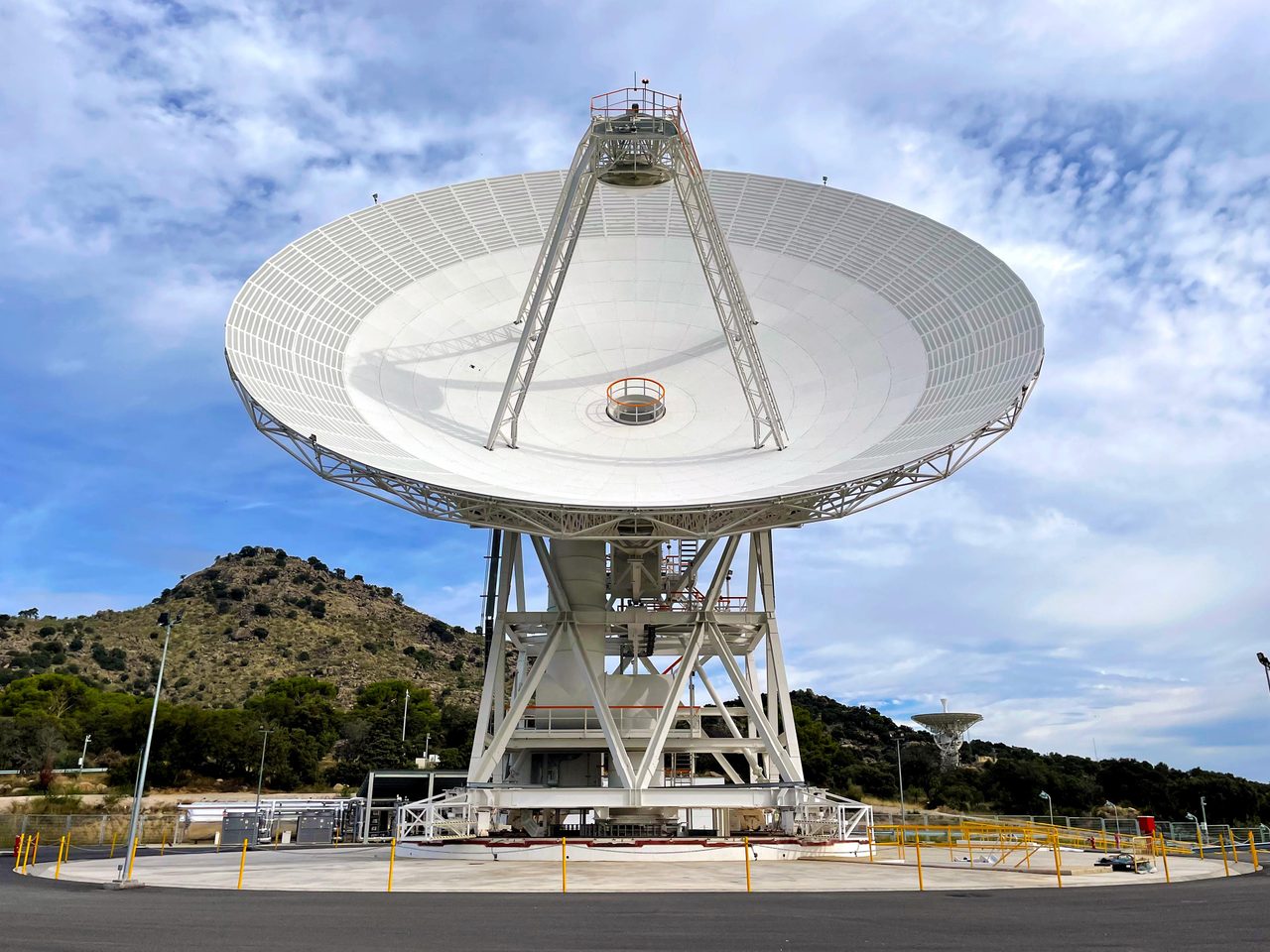
How Do We Communicate With Voyager Across Deep Space?
Voyager communicates through faint radio signals collected by NASA’s Deep Space Network. Here is how giant dishes recover its messages across billions of kilometres.

Satellite Servicing in Orbit: Refuelling and Repair
Docking can keep a satellite working after its own fuel runs low. Explore how orbital servicing works, what refuelling requires and which manoeuvres observers can identify.

Why Do Rockets Launch From Florida?
Florida combines an eastward boost from Earth's rotation with open Atlantic launch corridors and decades of infrastructure. But the best launch site depends on the mission.

Orbital Period: Meaning, Formula and Satellite Examples
Orbital period measures how long one orbit takes. Discover why higher satellites orbit more slowly, how to calculate a period and why an orbit is not the same as a visible pass.

Types of Satellite Orbits: LEO, MEO, GEO and Beyond
Altitude is only part of an orbit’s story. Explore how height, tilt and shape determine what satellites can see, how they communicate and how long they remain in space.
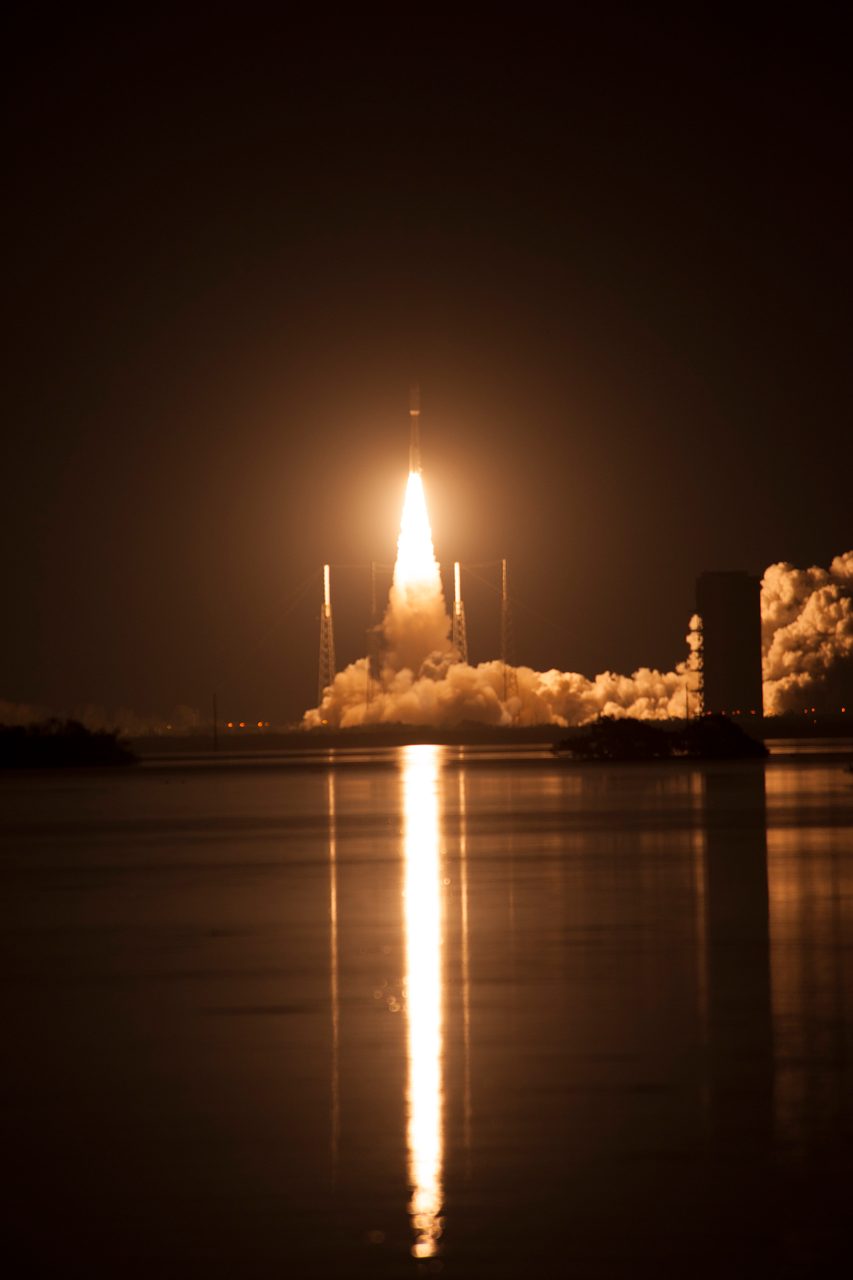
Understanding Geostationary Orbital Slots and Their Importance
Geostationary orbital slots are specific positions in Earth's orbit where satellites remain fixed relative to a point on the equator, crucial for communications.
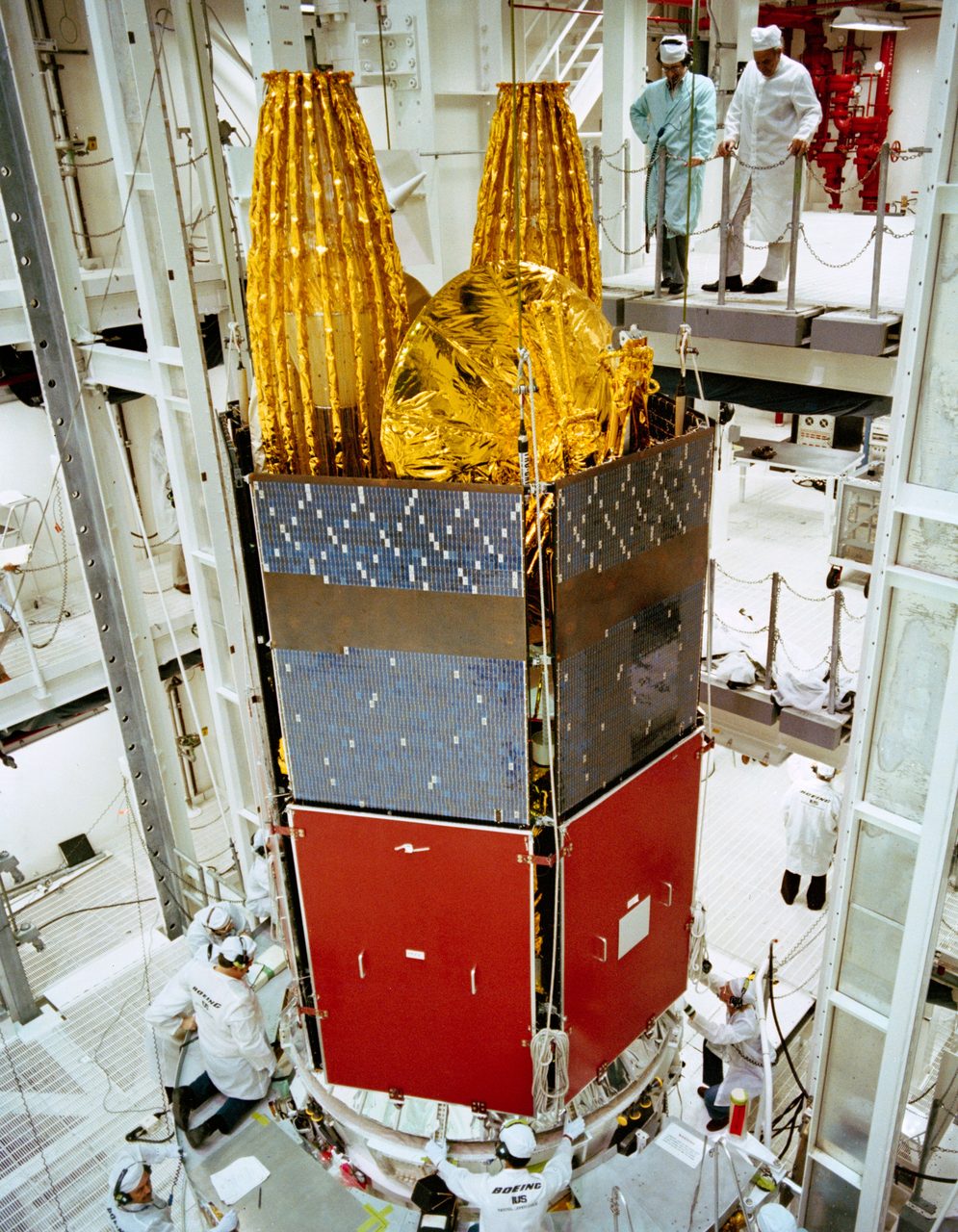
Understanding RAAN: The Right Ascension of the Ascending Node Explained
RAAN, or Right Ascension of the Ascending Node, is an essential orbital parameter that defines a satellite's path relative to Earth's equatorial plane.

Geostationary Orbit: How Satellites Hover Over One Spot
A geostationary orbit allows satellites to remain fixed relative to a point on Earth, ideal for communication and weather monitoring.

Lunar Gateway Orbit: Why NASA Chose a Halo Around the Moon
Gateway is designed for a looping orbit rather than a close circle around the Moon. Its route explains how lunar gravity, communications and landing access shape mission design.