Space News Mission Log — Satellite Launches, Orbital Events & Analysis
Daily space news, satellite launch reports, orbital debris analysis and weekly roundups — grounded in live tracking data from our network monitoring 57 published reports.
Amazon Kuiper: Comprehensive Guide to Amazon's Satellite Internet
Amazon Kuiper is a satellite internet constellation designed to provide global broadband coverage. Discover its mission, technology, and potential impact.
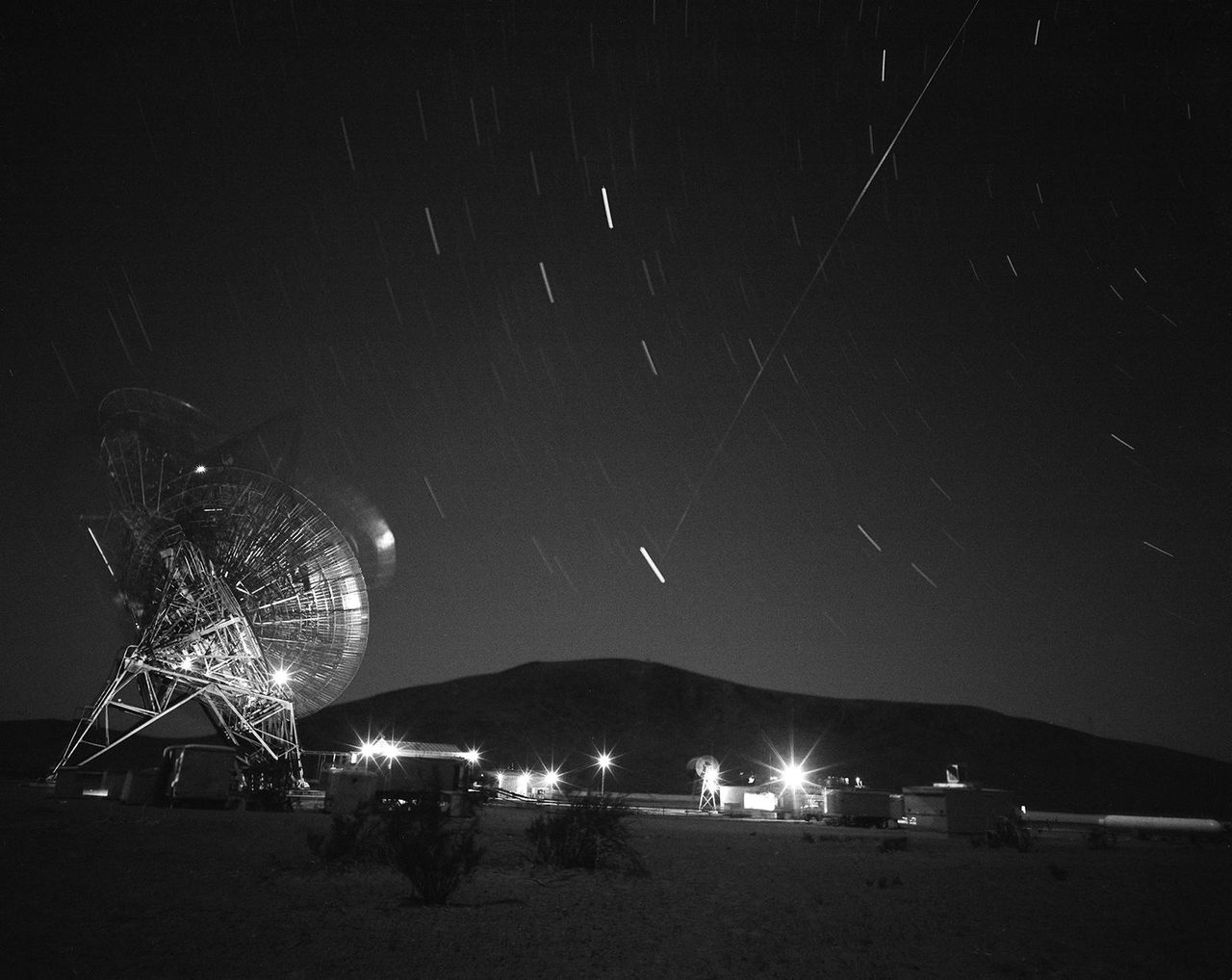
Mega-Constellation: What It Is and How It Works
Mega-constellations coordinate hundreds or thousands of satellites. Explore how they deliver internet access, why orbital design matters, and the risks of operating at scale.
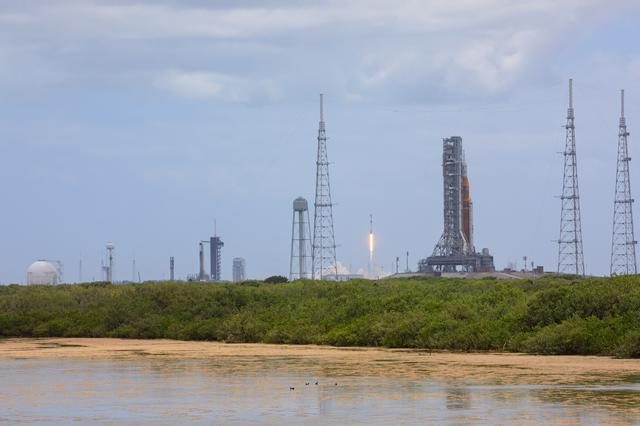
9,813 Starlink satellites: a constellation reshaping orbit
SpaceX’s broadband constellation accounts for nearly three-fifths of active satellites. Its scale is changing internet access, satellite operations and the management of low Earth orbit.
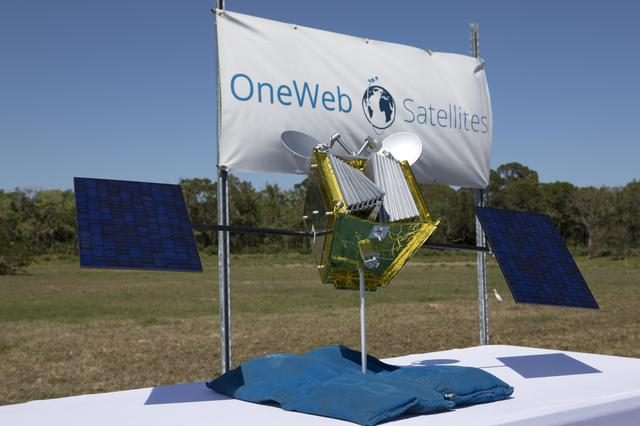
OneWeb: the UK's polar-orbit broadband network
OneWeb uses near-polar satellites roughly 1,200 kilometres above Earth to connect businesses, governments and remote communities through Eutelsat's broadband network.
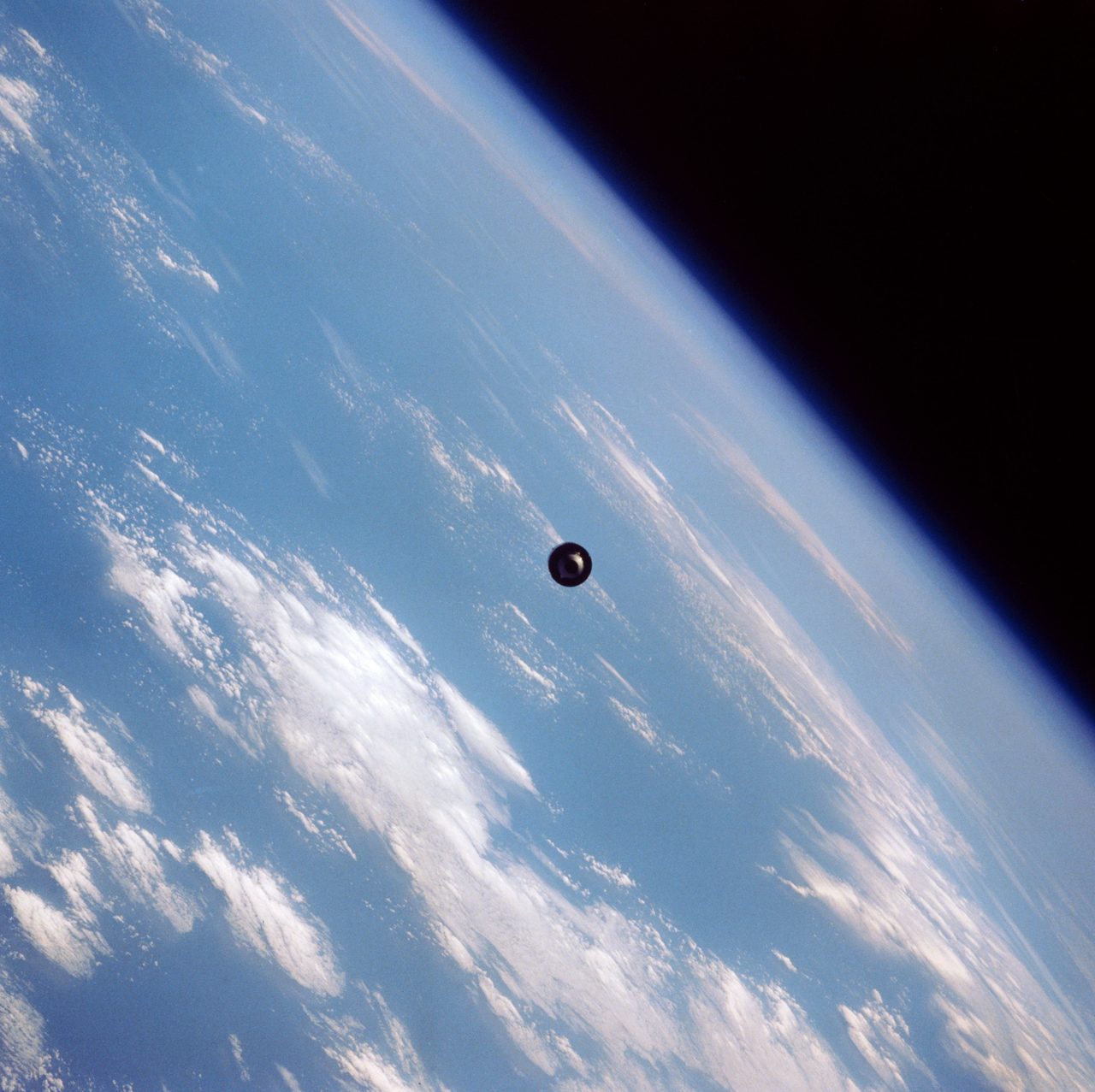
Intelsat: the pioneer that connected continents
Intelsat helped turn geostationary orbit into essential communications infrastructure. Its story runs from Early Bird's transatlantic broadcasts to broadband networks and satellite servicing.

Starlink vs OneWeb: Comparing Satellite Internet Giants
Starlink and OneWeb offer satellite internet services with distinct approaches. Discover how they differ in technology, coverage, and future plans.
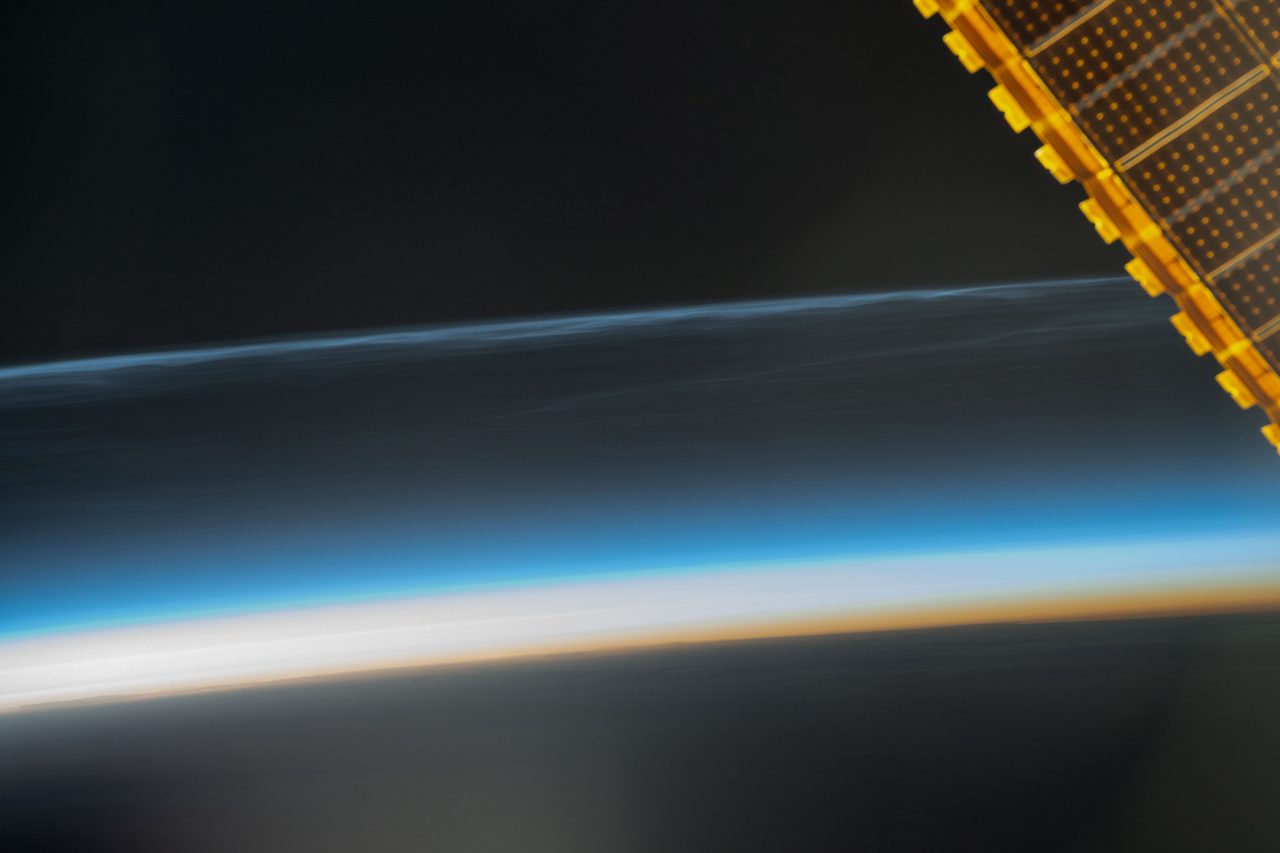
Low Earth Orbit: Why Space Is Busiest Below 2,000 km
Low Earth orbit hosts space stations, broadband constellations and Earth-observation missions. Explore how it works, why it is crowded and what keeps satellites flying safely.
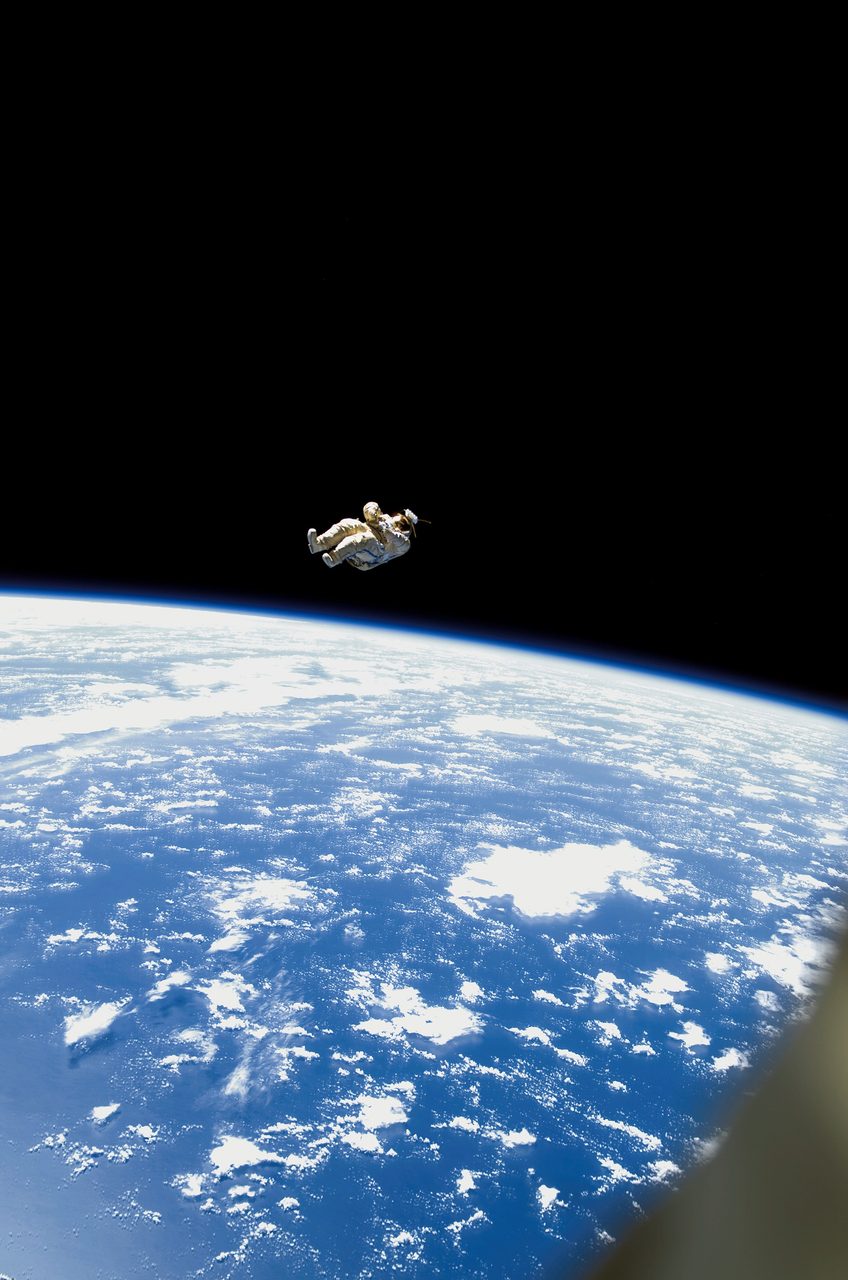
How Many Starlink Satellites Fall Each Day?
1.5 Starlink satellites re-enter Earth's atmosphere each day, according to Orbital Radar data. Explore the reasons behind these controlled re-entries.
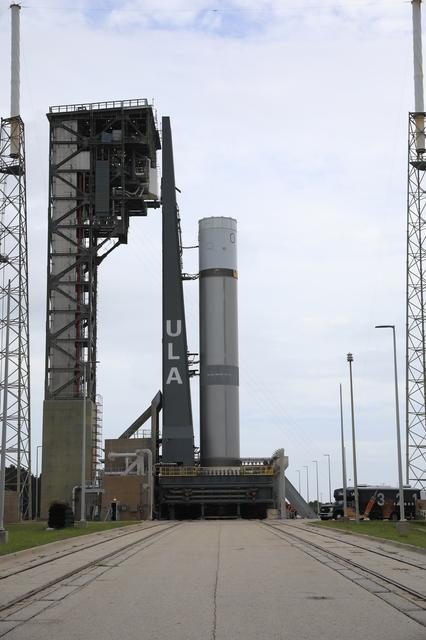
Amazon Leo targets Vulcan launch: 14 November 2026 briefing
Amazon Leo's next broadband satellite mission is scheduled aboard Vulcan today. Starship Flight 15 has reached orbit, while geomagnetic conditions remain quiet.
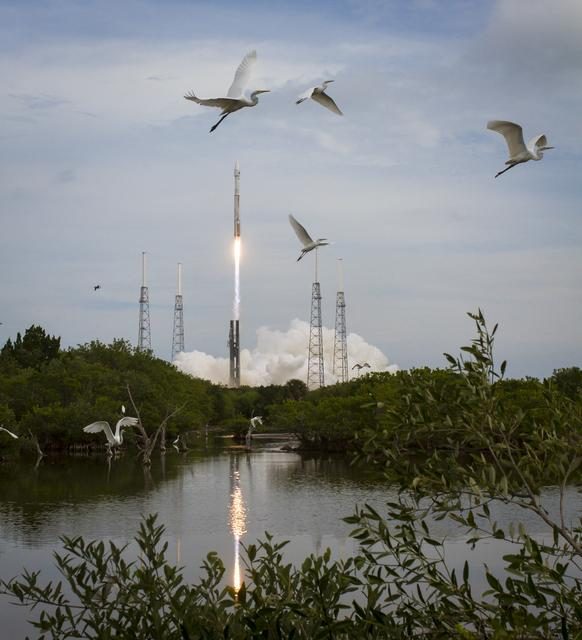
Final Atlas V Launch Supports Amazon's Broadband Constellation
ULA launches final Atlas V for Amazon Leo, Starlink satellites adjust orbits, new Moon lander contracts announced.
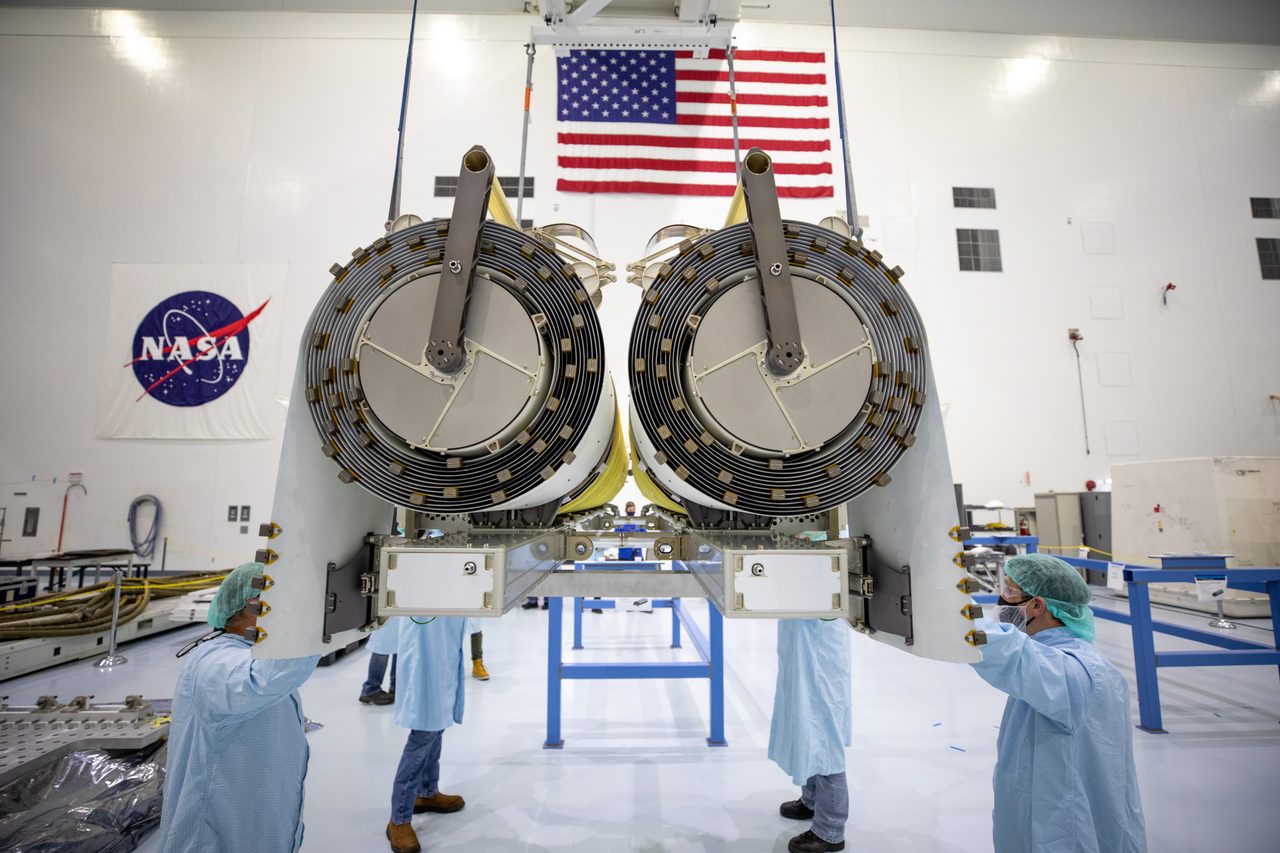
How Do Satellites Get Power? Solar, Batteries and Nuclear
Most satellites turn sunlight into electricity and use batteries in darkness. Explore how spacecraft generate, store and ration power, from Earth orbit to deep space.
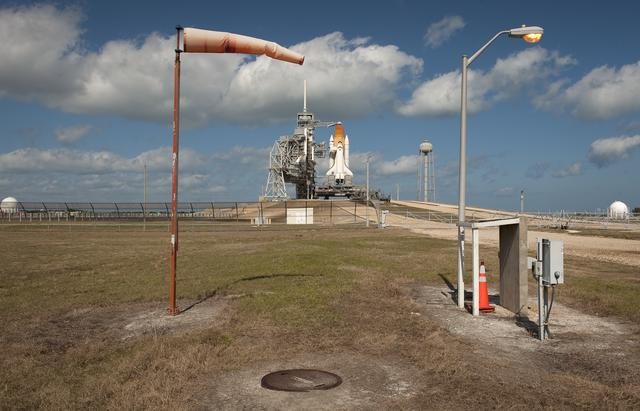
Reusable Rockets: How They Work and Why They Matter
Reusable rockets bring valuable hardware back for another flight. Their impact depends as much on inspection, refurbishment and launch demand as on spectacular landings.