Isar Aerospace Launches First Orbital Rocket from Europe
Isar Aerospace makes history with Europe's first orbital launch. SpaceX continues Starlink expansion, while Venus becomes less visible.
Isar Aerospace has successfully launched the first orbital rocket from continental Europe, marking a significant milestone in European spaceflight. The private German company achieved this feat with its Spectrum rocket, lifting off from the Andøya Space Centre in Norway. This launch places Isar Aerospace among a select group of private companies capable of reaching orbit, highlighting the growing role of commercial entities in space exploration. For more on the global landscape of space agencies and companies, visit our Space Agencies directory.
SpaceX's Starlink Expansion
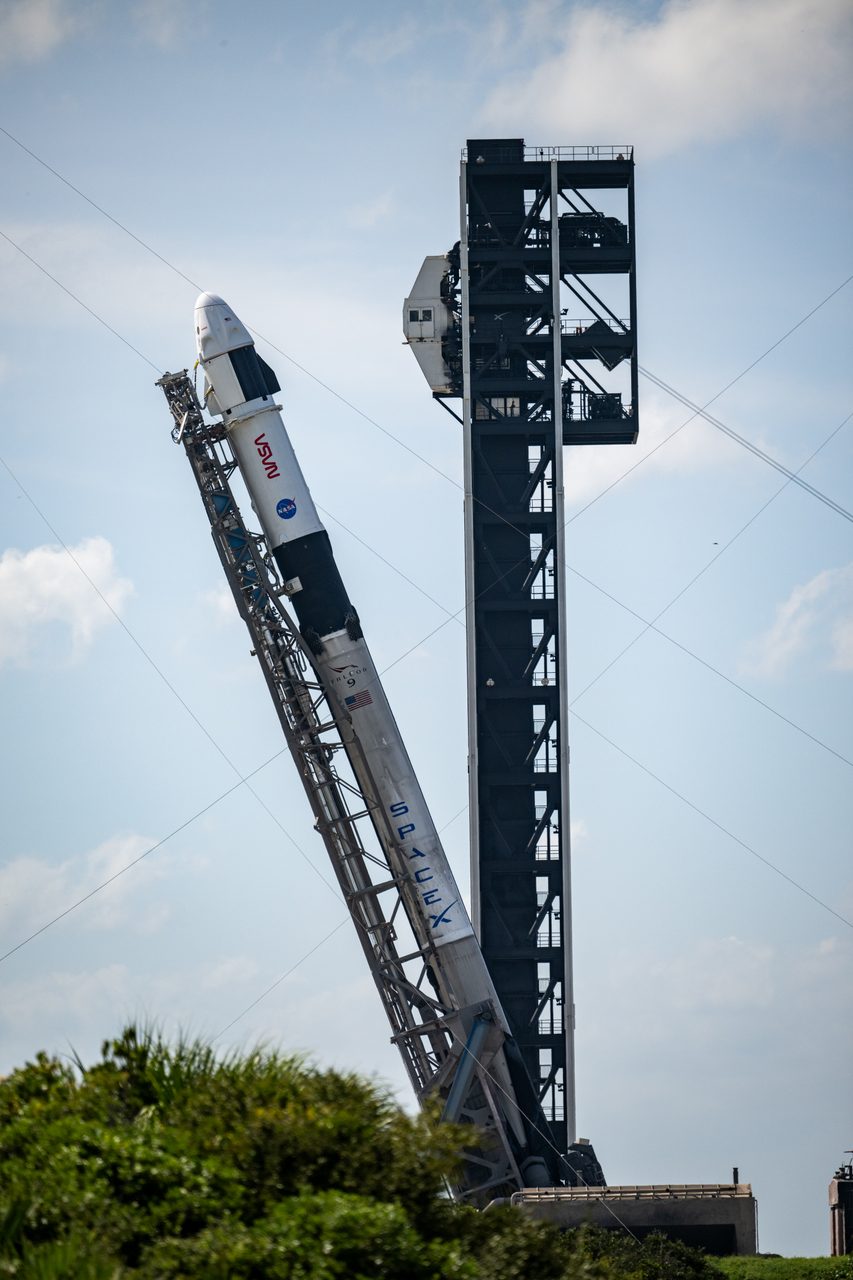
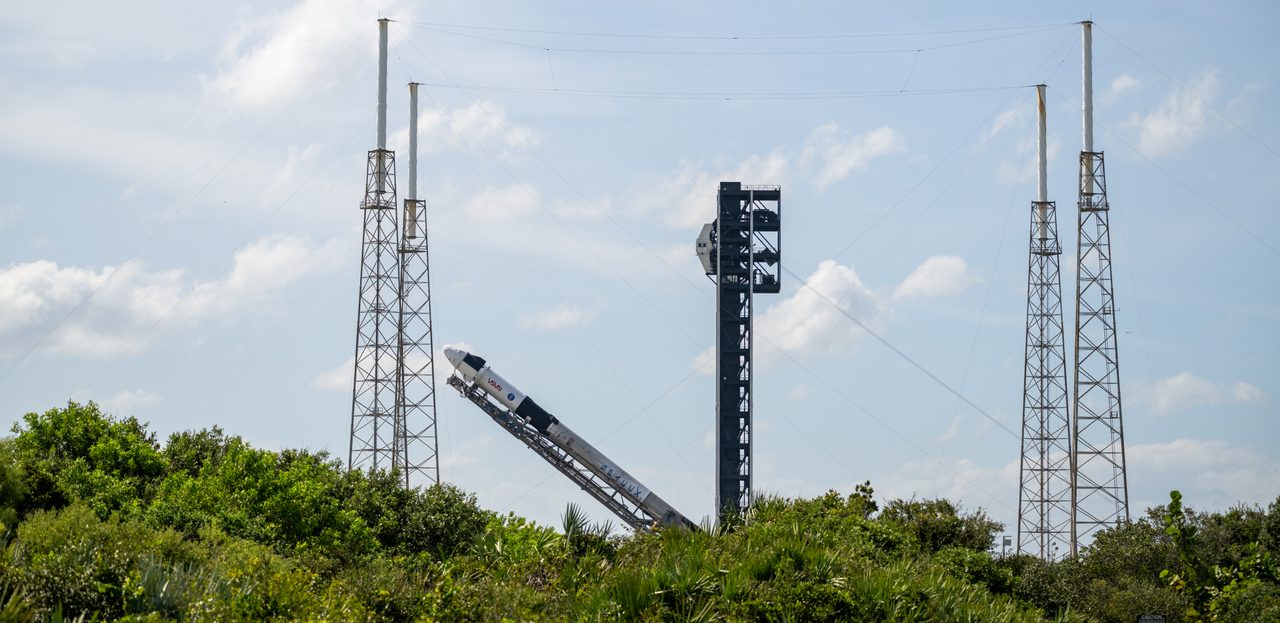
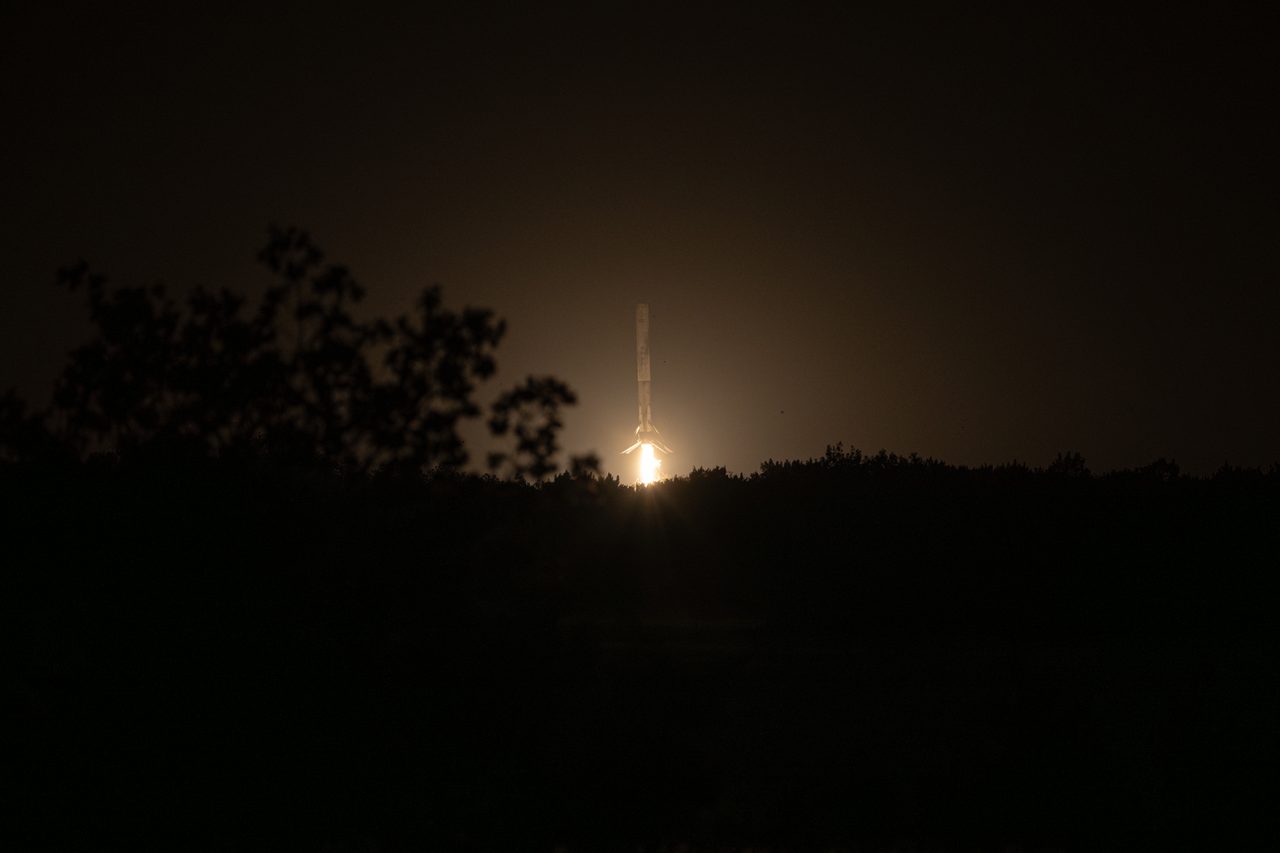
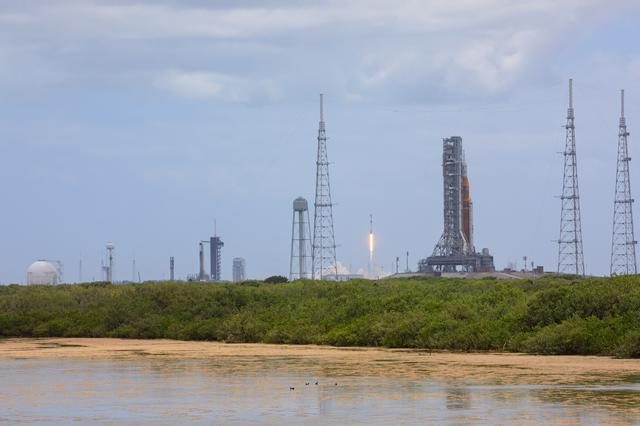
SpaceX is set to launch its 80th Starlink mission of 2026, continuing its rapid expansion of the satellite internet constellation. This mission will add to the 9,809 active Starlink satellites currently in orbit, as tracked by our Starlink Tracker. The launch, scheduled for today, underscores SpaceX's commitment to enhancing global internet coverage through its extensive satellite network.
Venus's Disappearing Act
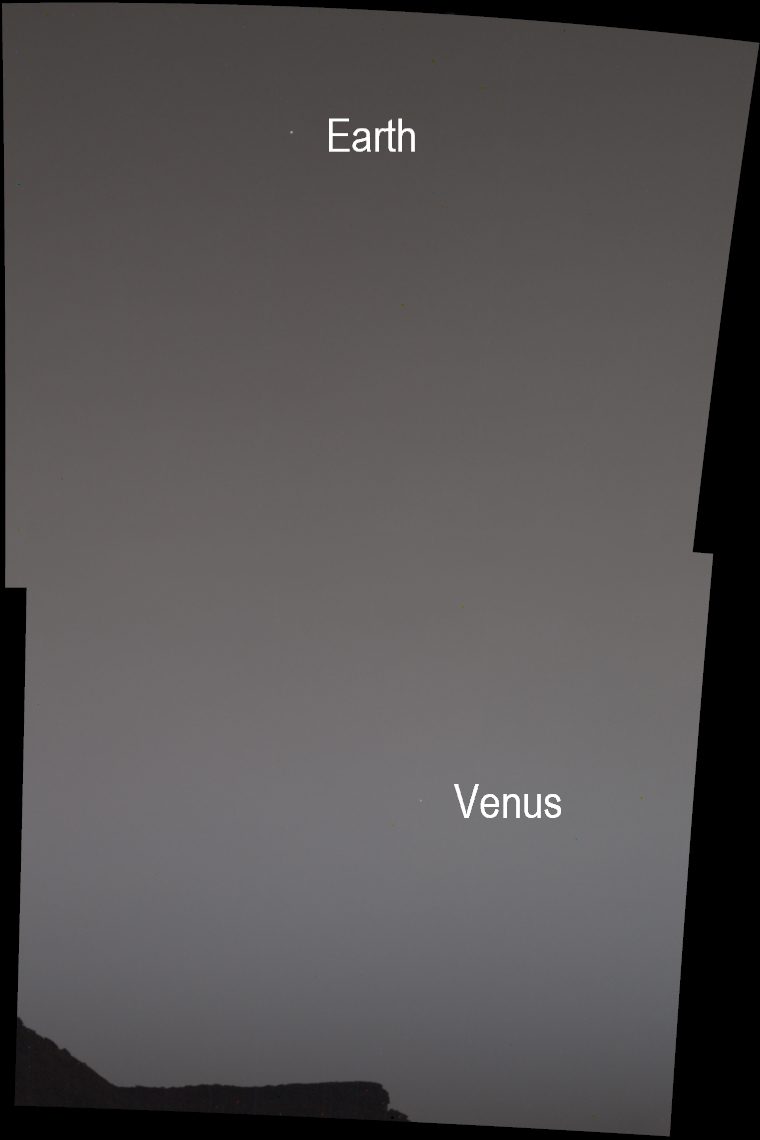
Venus is gradually disappearing from the evening sky, a phenomenon that stargazers may want to catch before it vanishes completely. The planet's current position and trajectory mean it will soon become difficult to observe from Earth. To track Venus's visibility and other celestial events, consult our Moon Globe for real-time updates.
What to Watch
While no new launches are scheduled in the immediate future, space enthusiasts can look forward to the upcoming arrival of a spacecraft at Mercury. This mission, described as 'tricky' due to the planet's proximity to the Sun, promises to provide new insights into Mercury's composition and history. Keep an eye on our Launch Schedule for updates on future missions.
Frequently Asked Questions
What was Isar Aerospace's recent achievement?
How many Starlink satellites are currently active?
Cite this article
Pick a style, then copy it or download it for your reference manager.Orbital Radar. (2026, June 1). Isar Aerospace Launches First Orbital Rocket from Europe. Retrieved November 29, 2026, from https://orbitalradar.com/blog/orbital-briefing-2026-06-01
“Isar Aerospace Launches First Orbital Rocket from Europe.” Orbital Radar, 1 June 2026, orbitalradar.com/blog/orbital-briefing-2026-06-01. Accessed 29 Nov. 2026.
Orbital Radar (2026) Isar Aerospace Launches First Orbital Rocket from Europe. Available at: https://orbitalradar.com/blog/orbital-briefing-2026-06-01 (Accessed: 29 November 2026).
Orbital Radar. “Isar Aerospace Launches First Orbital Rocket from Europe.” Last modified June 1, 2026. https://orbitalradar.com/blog/orbital-briefing-2026-06-01.
@misc{orbitalradar_blog_orbital_briefing_2026_06_01,
  author       = {{Orbital Radar}},
  title        = {Isar Aerospace Launches First Orbital Rocket from Europe},
  year         = {2026},
  month        = jun,
  howpublished = {\url{https://orbitalradar.com/blog/orbital-briefing-2026-06-01}},
  url          = {https://orbitalradar.com/blog/orbital-briefing-2026-06-01},
  urldate      = {2026-11-29},
  note         = {Accessed 2026-11-29}
}
TY - ELEC AU - Orbital Radar, TI - Isar Aerospace Launches First Orbital Rocket from Europe PY - 2026 DA - 2026/06/01 PB - Orbital Radar UR - https://orbitalradar.com/blog/orbital-briefing-2026-06-01 Y2 - 2026/11/29 LA - en ER -
Live figures change, so keep the date you accessed the page. How to cite Orbital Radar