Space News Mission Log — Satellite Launches, Orbital Events & Analysis
Daily space news, satellite launch reports, orbital debris analysis and weekly roundups — grounded in live tracking data from our network monitoring 70 published reports.
Spiral in Sky After SpaceX Launch: What Causes It?
A luminous spiral after a SpaceX launch can be sunlight catching material released by a rocket’s upper stage. Its shape reflects how that material spreads as the stage moves and rotates.
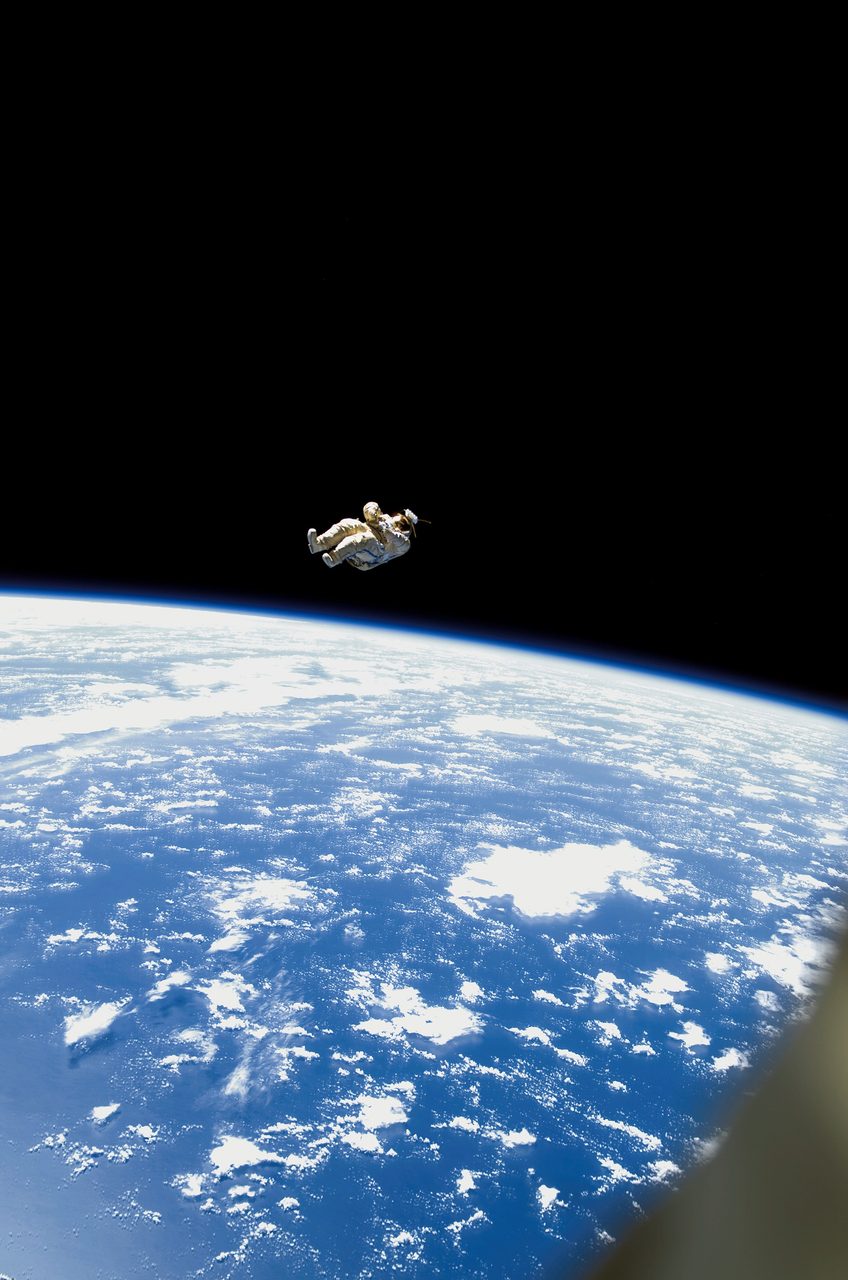
How Many Starlink Satellites Fall Each Day?
1.5 Starlink satellites re-enter Earth's atmosphere each day, according to Orbital Radar data. Explore the reasons behind these controlled re-entries.
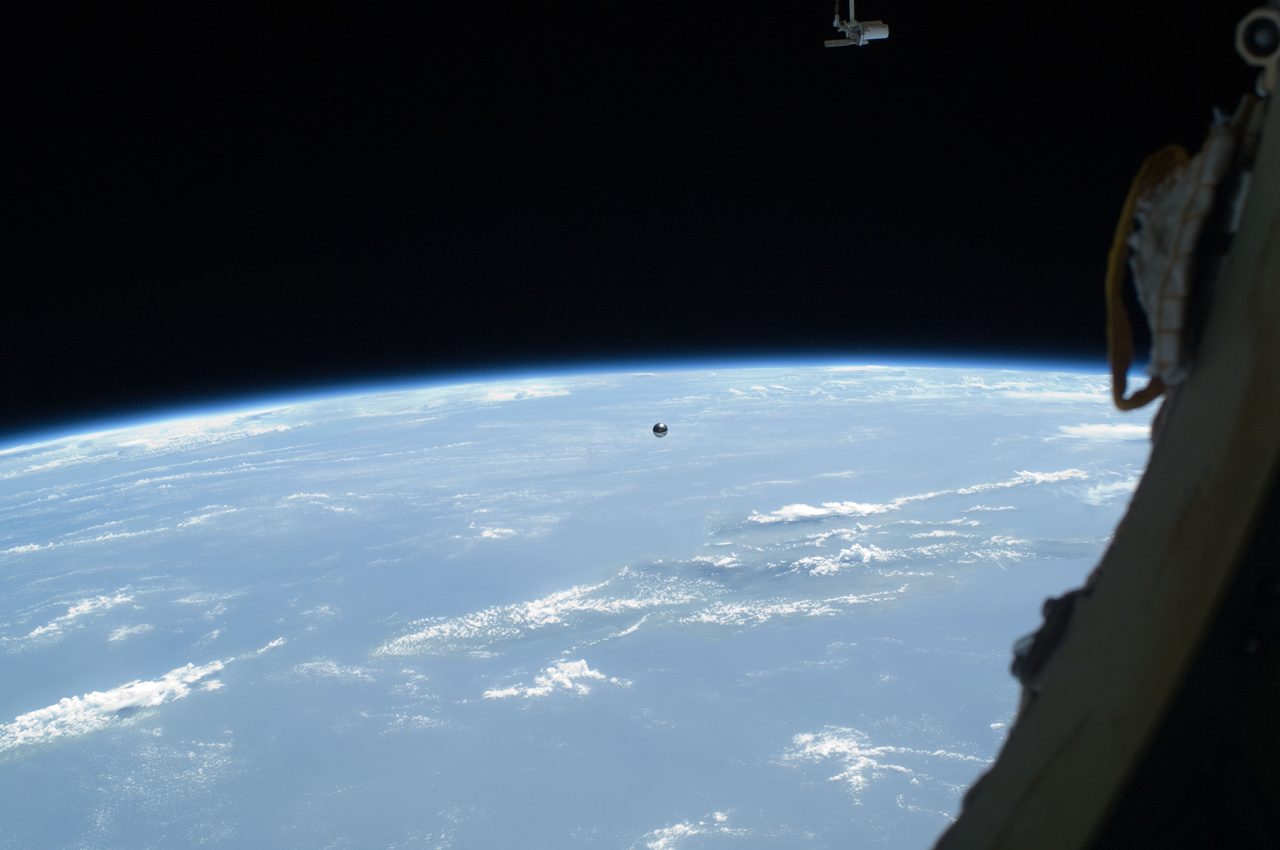
Why Don't Satellites Fall? How Orbits Really Work
Satellites stay in orbit by falling around Earth rather than straight towards it. Their altitude and speed determine how they travel — and how atmospheric drag eventually brings some down.
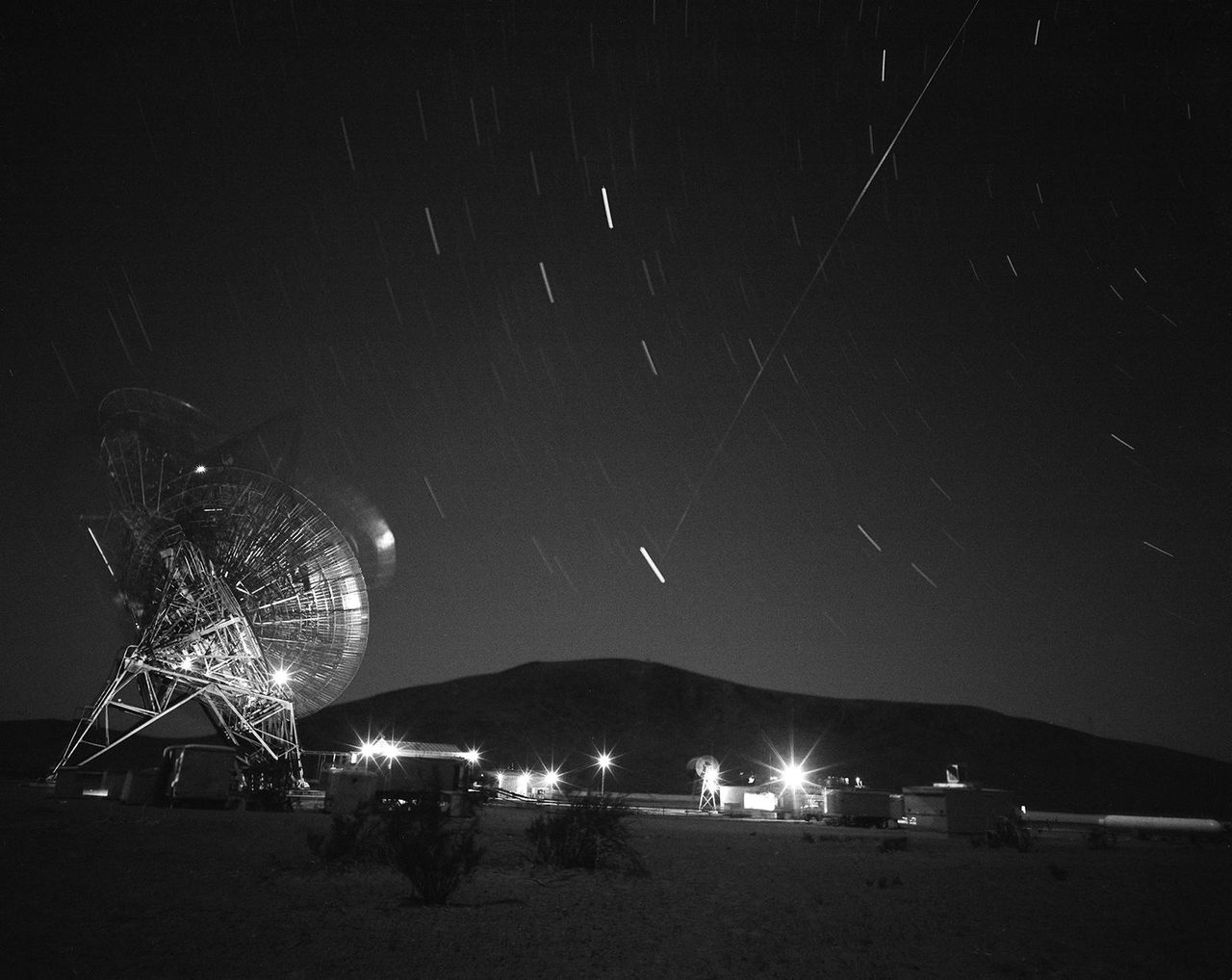
Mega-Constellation: What It Is and How It Works
Mega-constellations coordinate hundreds or thousands of satellites. Explore how they deliver internet access, why orbital design matters, and the risks of operating at scale.
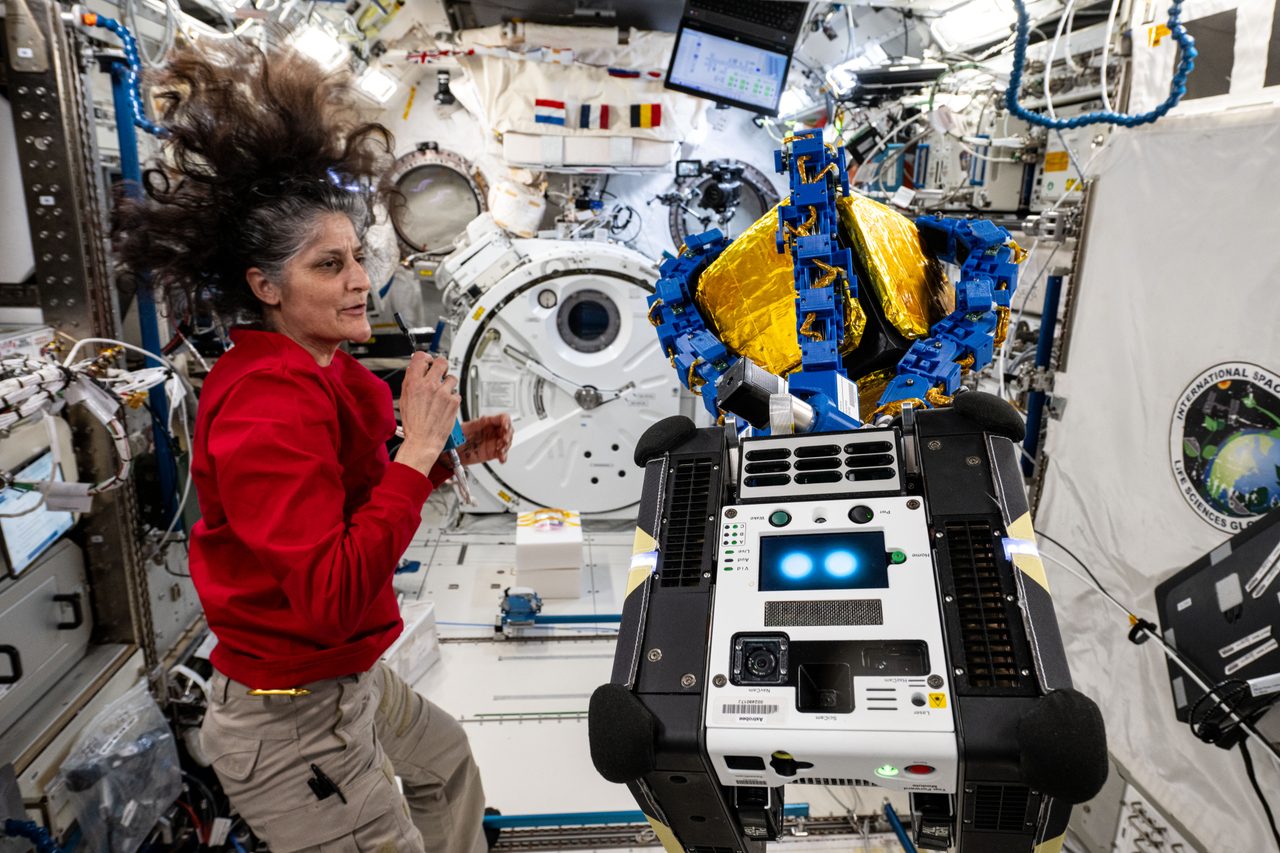
How Crowded Is Low Earth Orbit? Satellites by Altitude
Low Earth orbit is crowded unevenly: payloads dominate some altitude bands, while debris fills others. Explore the concentrations and what they mean for collision risk.
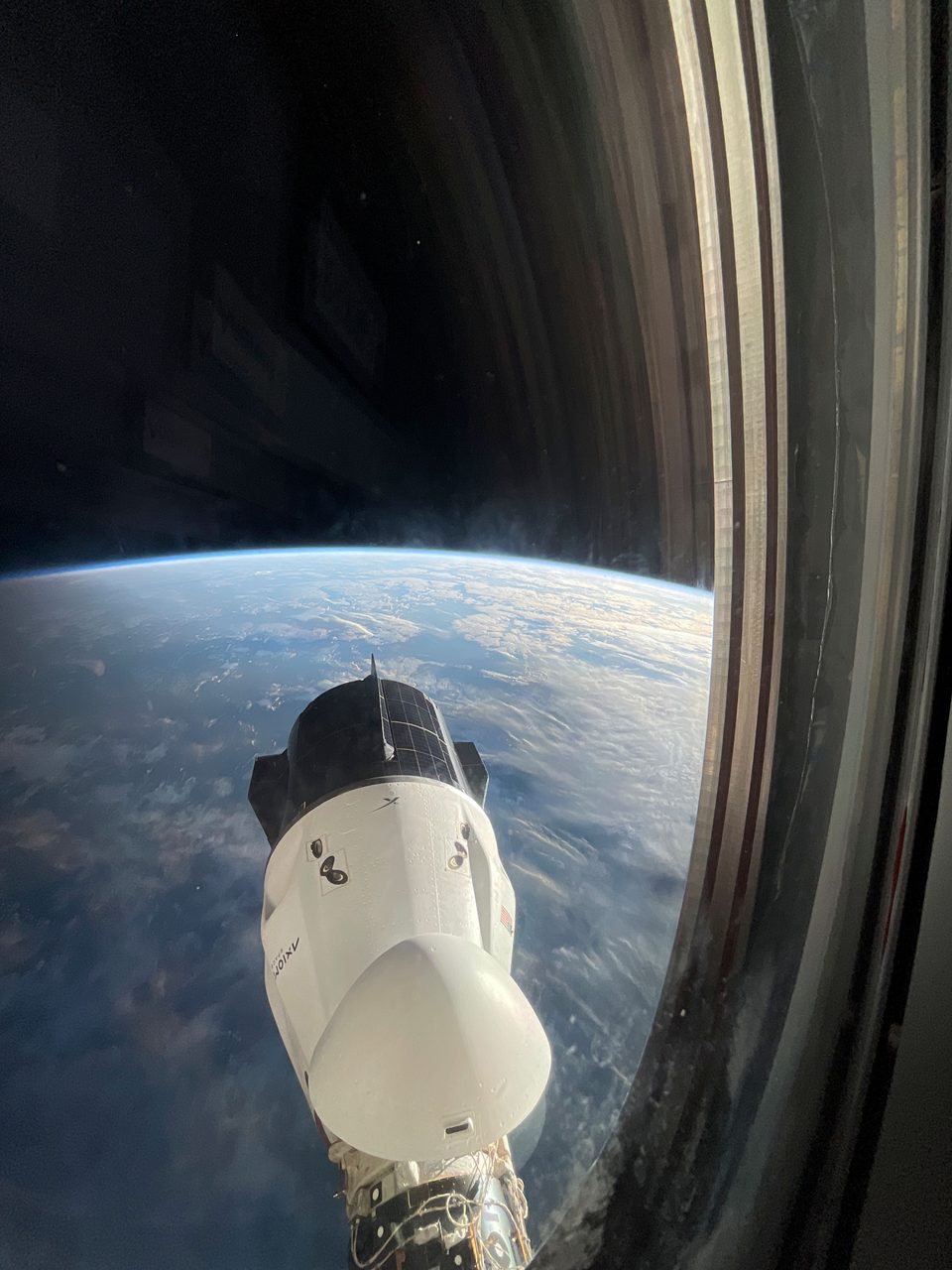
How Do Astronauts Get Back to Earth?
Astronauts return in spacecraft that slow down, survive atmospheric heating and land under parachutes. The journey ends with an ocean splashdown or a touchdown on land.
Graveyard Orbits: The Final Resting Place for Satellites
Graveyard orbits are designated areas where decommissioned satellites are moved to prevent space debris and ensure safer operations.
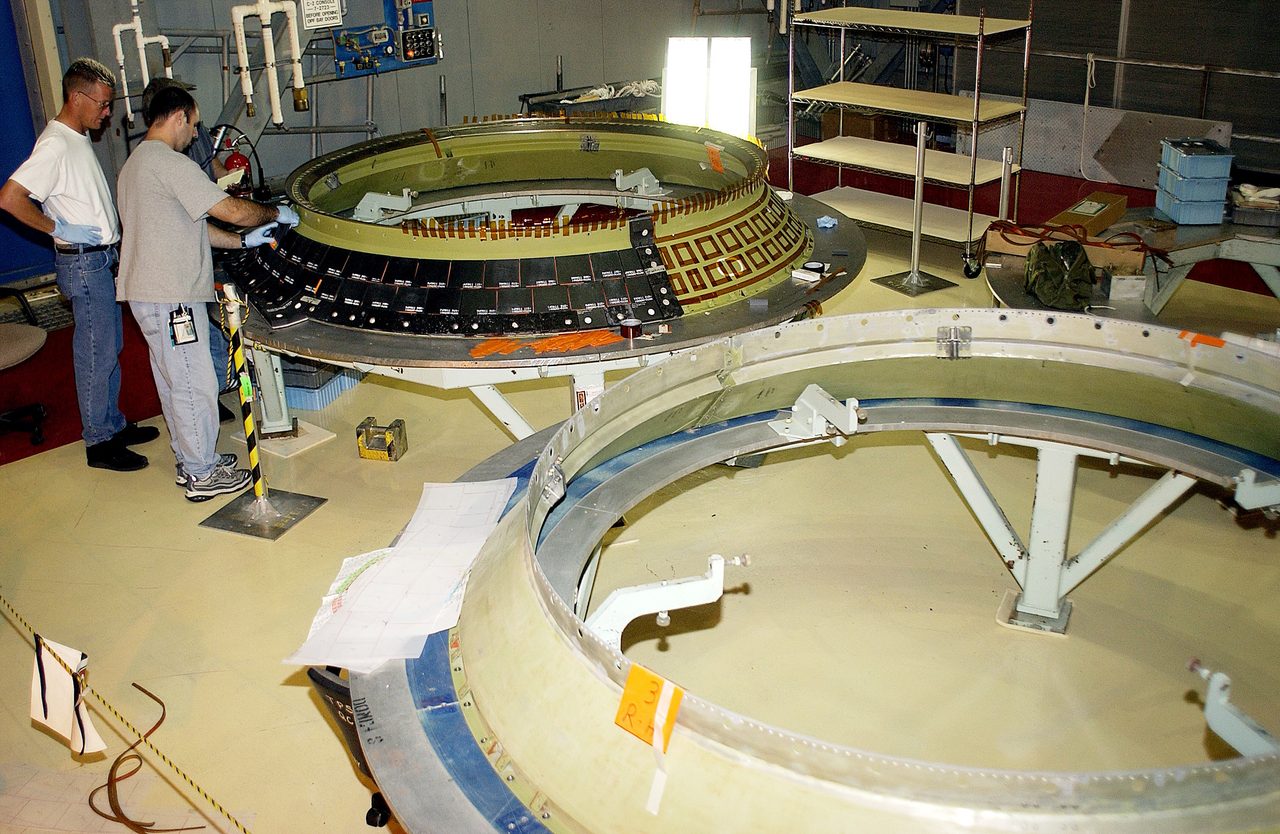
How Many Satellites Reentered This Year? 2026 by the Numbers
Orbital Radar records 673 satellite and payload re-entries in 2026 so far, within 1,119 atmospheric returns across all object types.
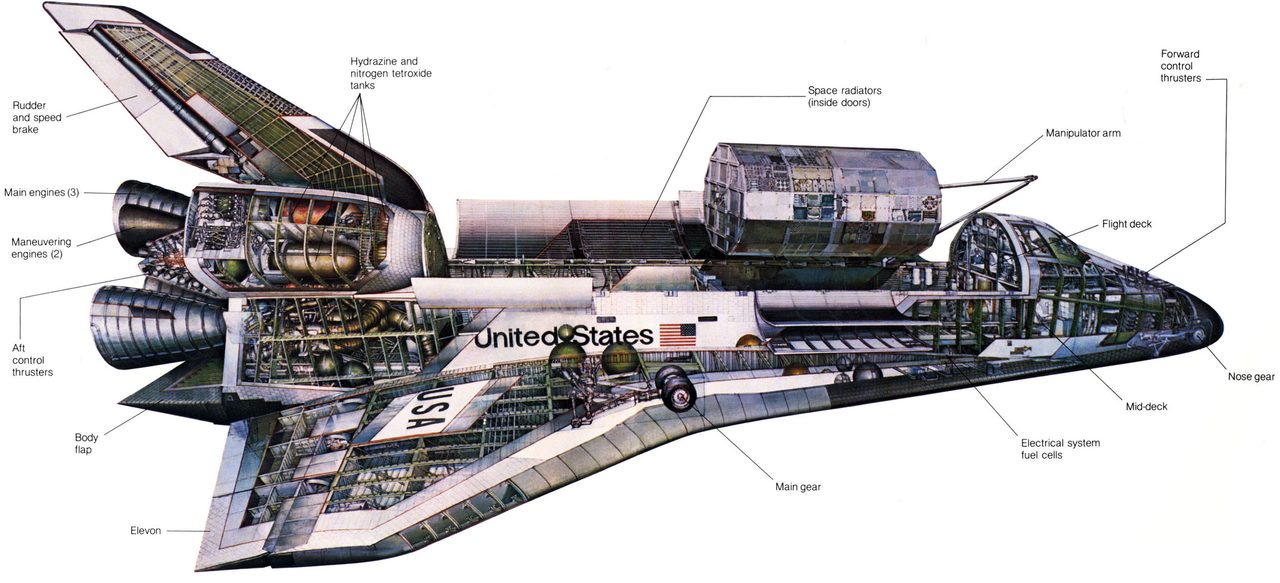
Parts of a Satellite: Systems That Keep It Working
Discover the key components and systems inside a satellite that ensure its operation in space, including power, thermal control, and communication.
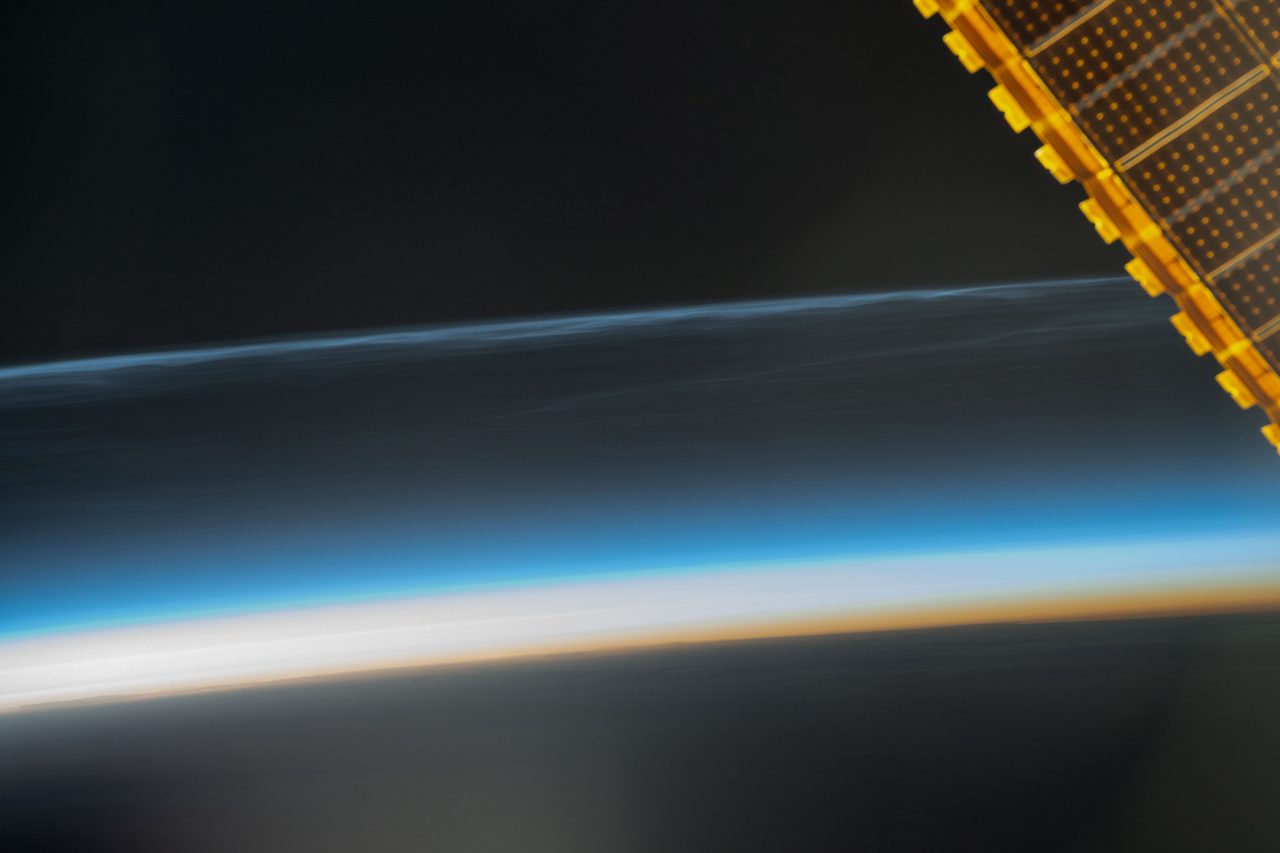
Low Earth Orbit: Why Space Is Busiest Below 2,000 km
Low Earth orbit hosts space stations, broadband constellations and Earth-observation missions. Explore how it works, why it is crowded and what keeps satellites flying safely.
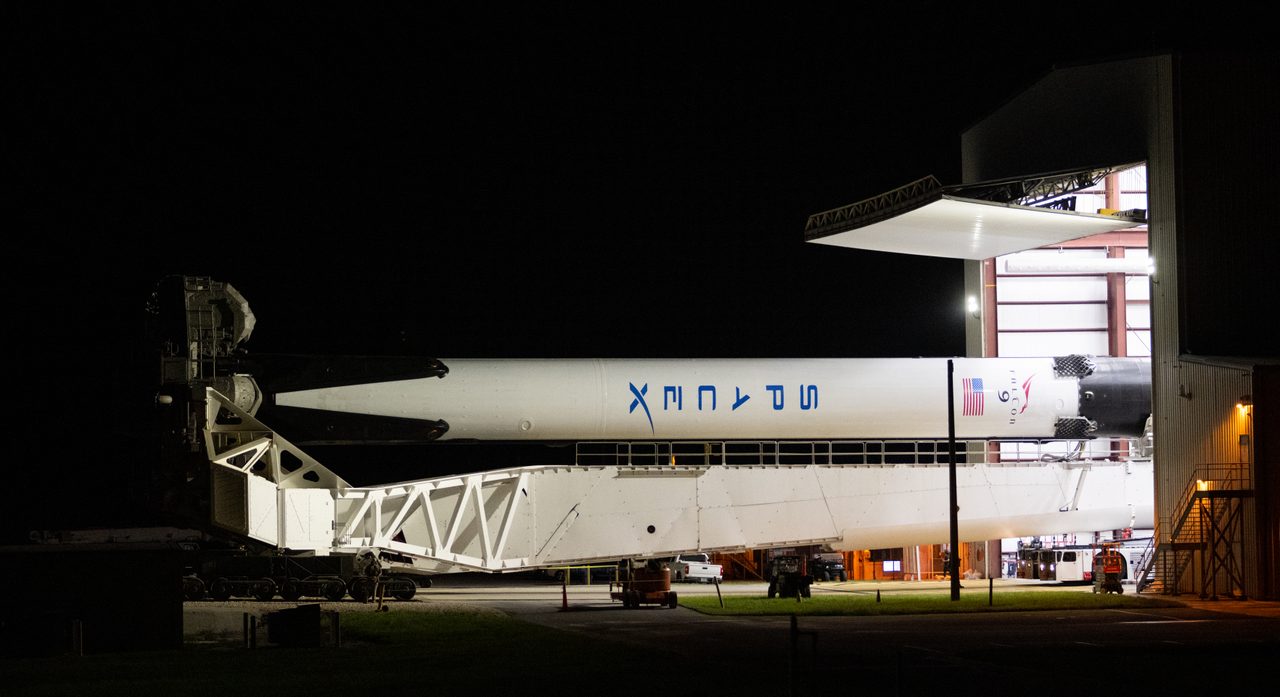
This Week in Orbit: Falcon 9 reaches 700 launches
SpaceX closes October with a Falcon 9 milestone, India launches a navigation satellite, and close-approach tracking highlights why proximity alone does not establish collision risk.
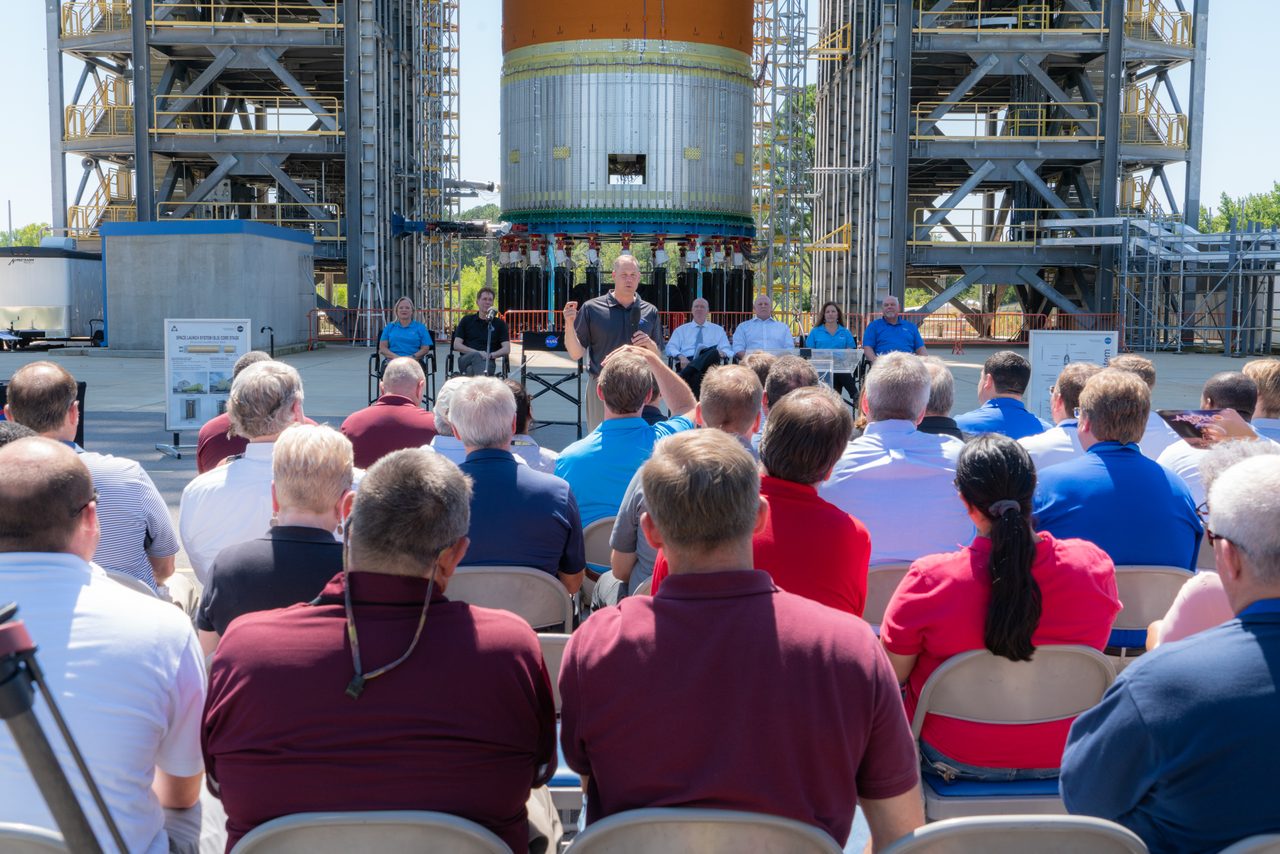
This Week in Orbit: 10,038 Starlinks and a Moon Push
China and SpaceX added to their constellations, NASA advanced its lunar lander plans, and close-approach tracking highlighted the distinction between proximity and collision risk.