Space News Mission Log — Satellite Launches, Orbital Events & Analysis
Daily space news, satellite launch reports, orbital debris analysis and weekly roundups — grounded in live tracking data from our network monitoring 26 published reports.
Spiral in Sky After SpaceX Launch: What Causes It?
A luminous spiral after a SpaceX launch can be sunlight catching material released by a rocket’s upper stage. Its shape reflects how that material spreads as the stage moves and rotates.
How Far Away Can You See a Rocket Launch?
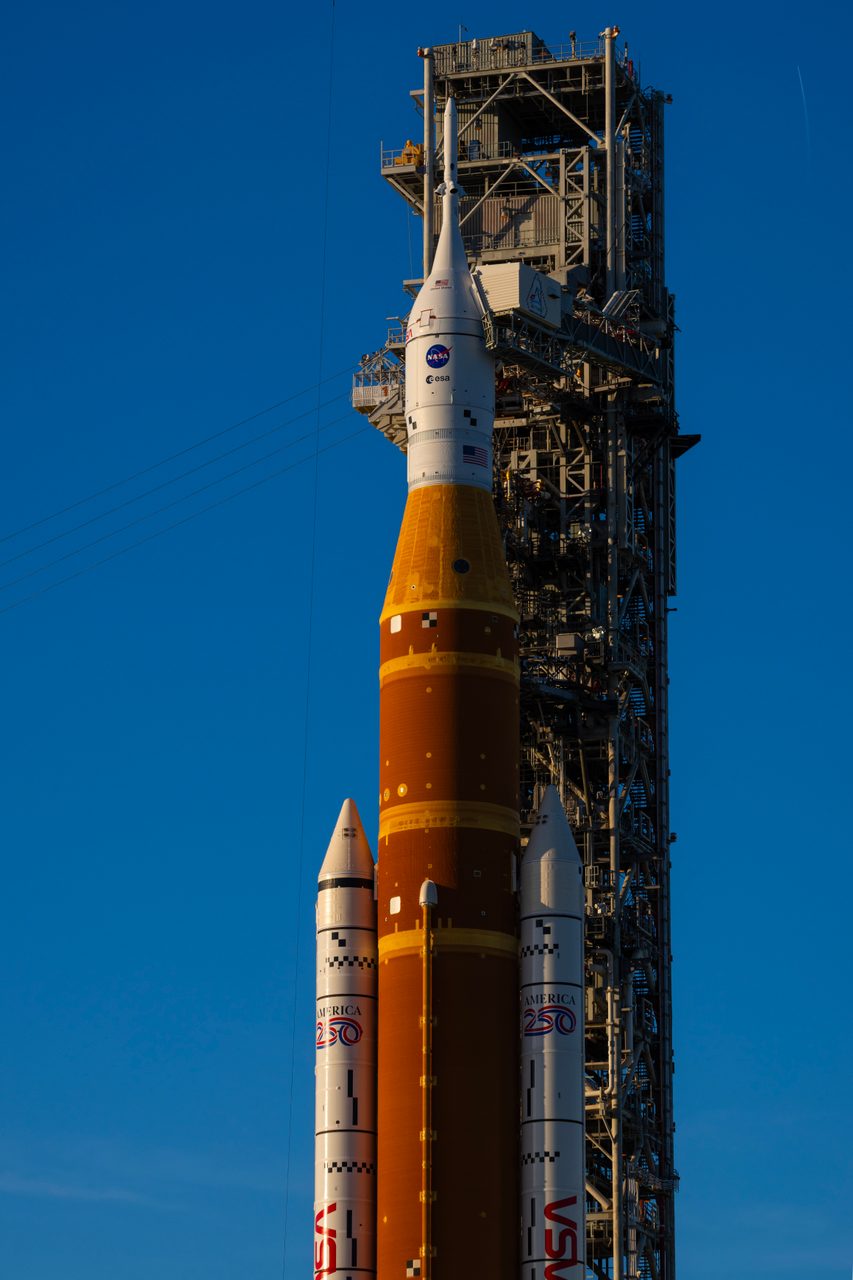
A rocket launch can be visible hundreds of kilometres away, especially around twilight. Your view depends on its trajectory, sunlight, weather and your horizon.
Why Do Rockets Fail? Engines, Software and Launch Risk
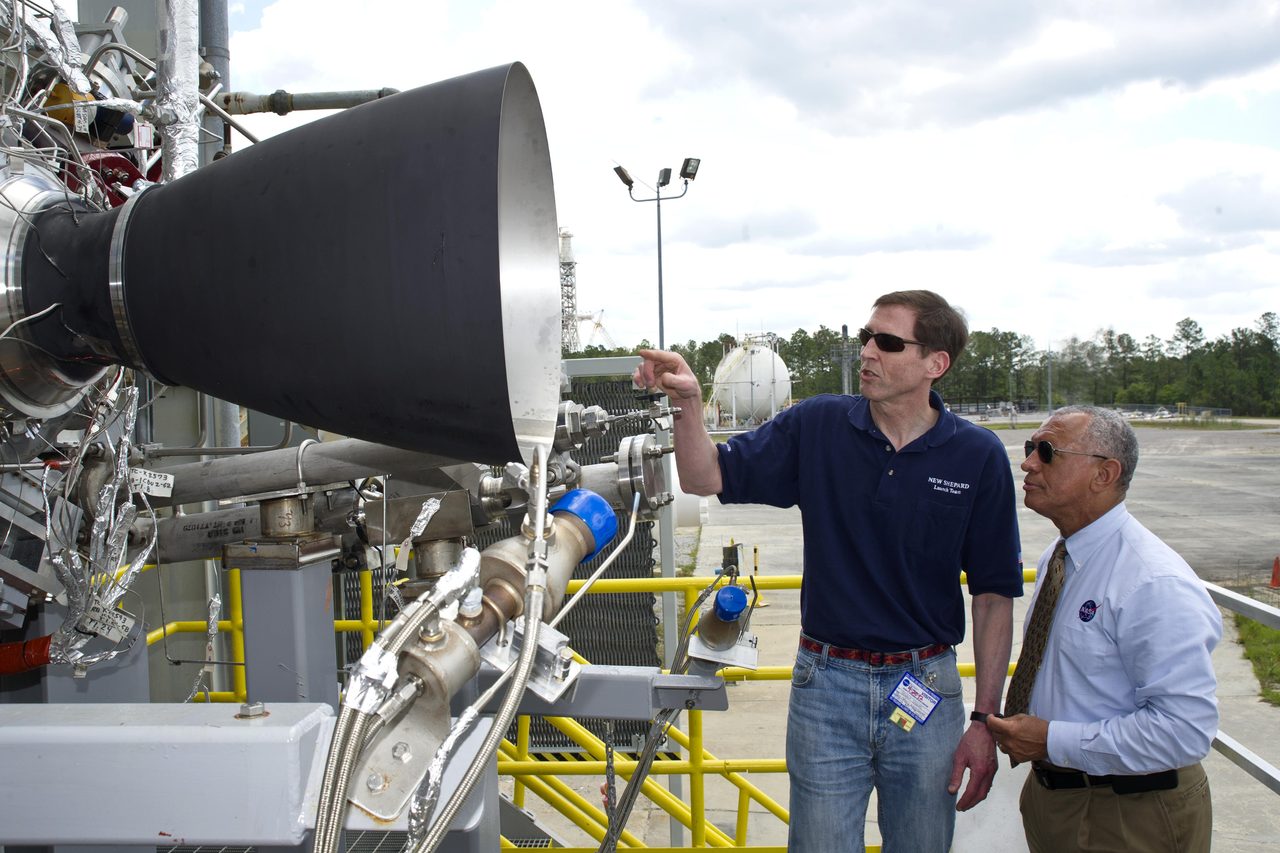
Rocket failures can begin with an engine fault, a faulty command or a separation mechanism. Understanding launch risk means tracing those failures—and counting outcomes carefully.
This Week in Orbit: Starship Flight 15 returns to Earth
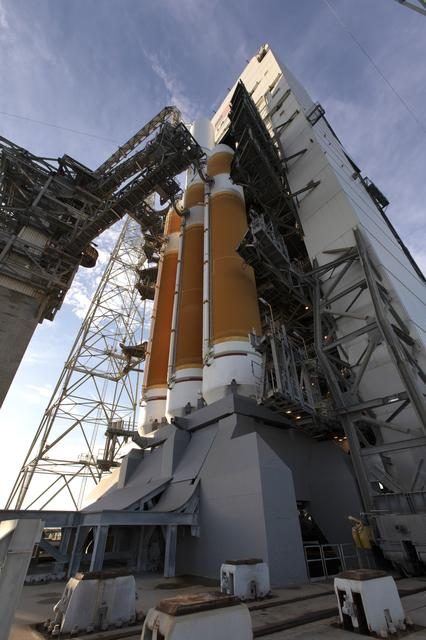
Starship's first upper-stage tower catch led the week's spaceflight developments, alongside successful launches, close-approach tracking and preparations for further constellation deployments.
Oldest Satellite Still in Orbit: Vanguard 1 and the Top Ten
Vanguard 1 remains the oldest satellite orbiting Earth. Its surviving companions include rocket hardware and early scientific satellites whose orbits explain their longevity.
Reusable Rockets: How They Work and Why They Matter
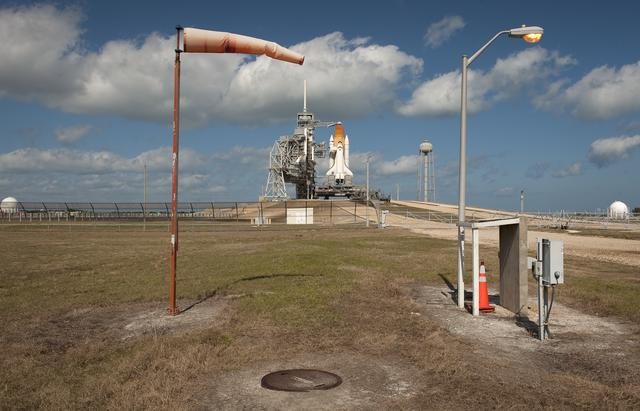
Reusable rockets bring valuable hardware back for another flight. Their impact depends as much on inspection, refurbishment and launch demand as on spectacular landings.

Understanding Rocket Body Debris in Earth's Orbit
Rocket body debris refers to the remnants of launch vehicles left in orbit, contributing significantly to space debris and posing collision risks.
Galileo FOC: Europe's navigation constellation
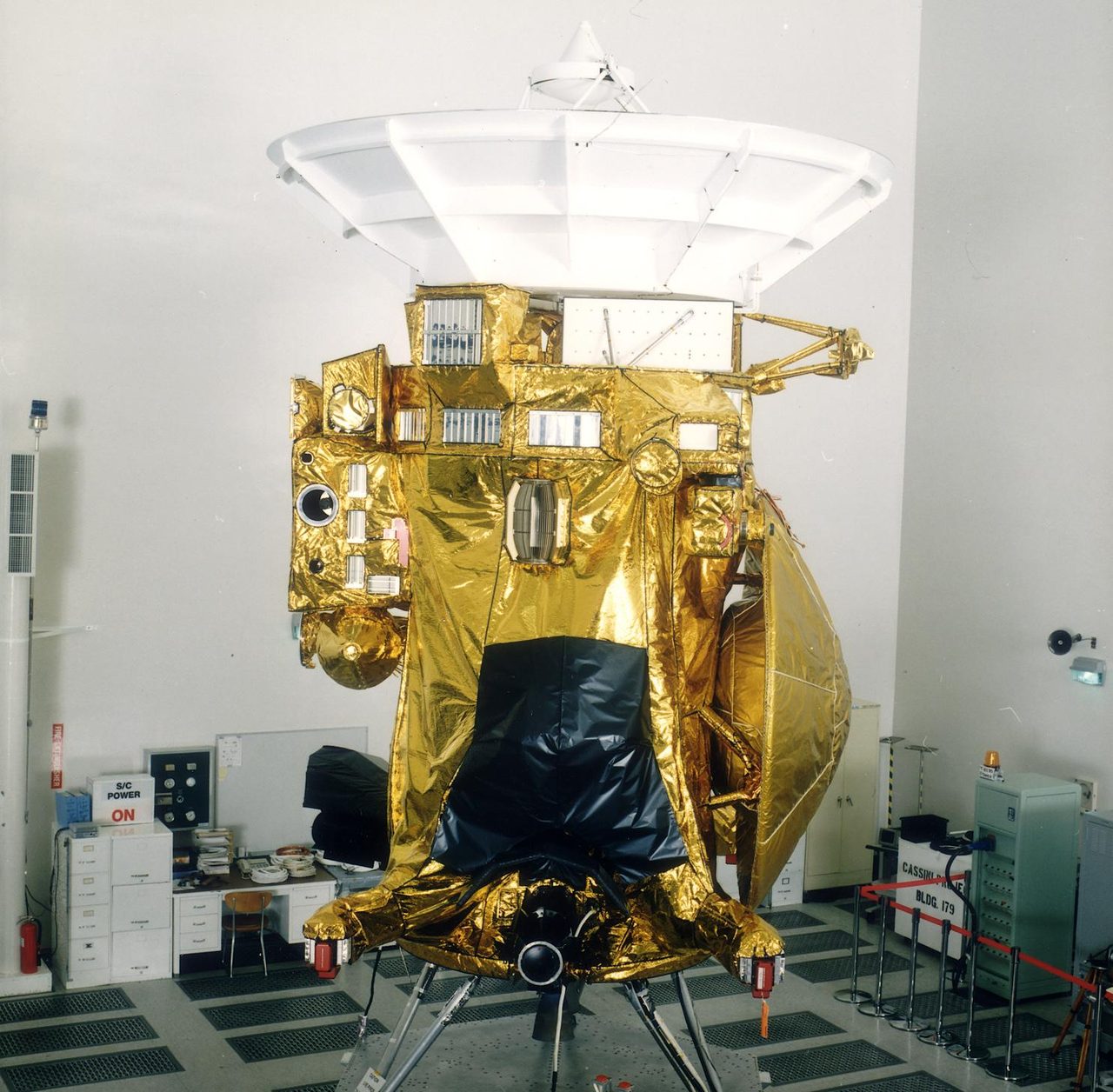
Europe's Galileo FOC satellites carry atomic clocks around Earth at roughly 23,222 kilometres altitude, providing the timing signals behind independent European navigation and positioning services.
GLONASS-K: Russia’s navigation satellites explained
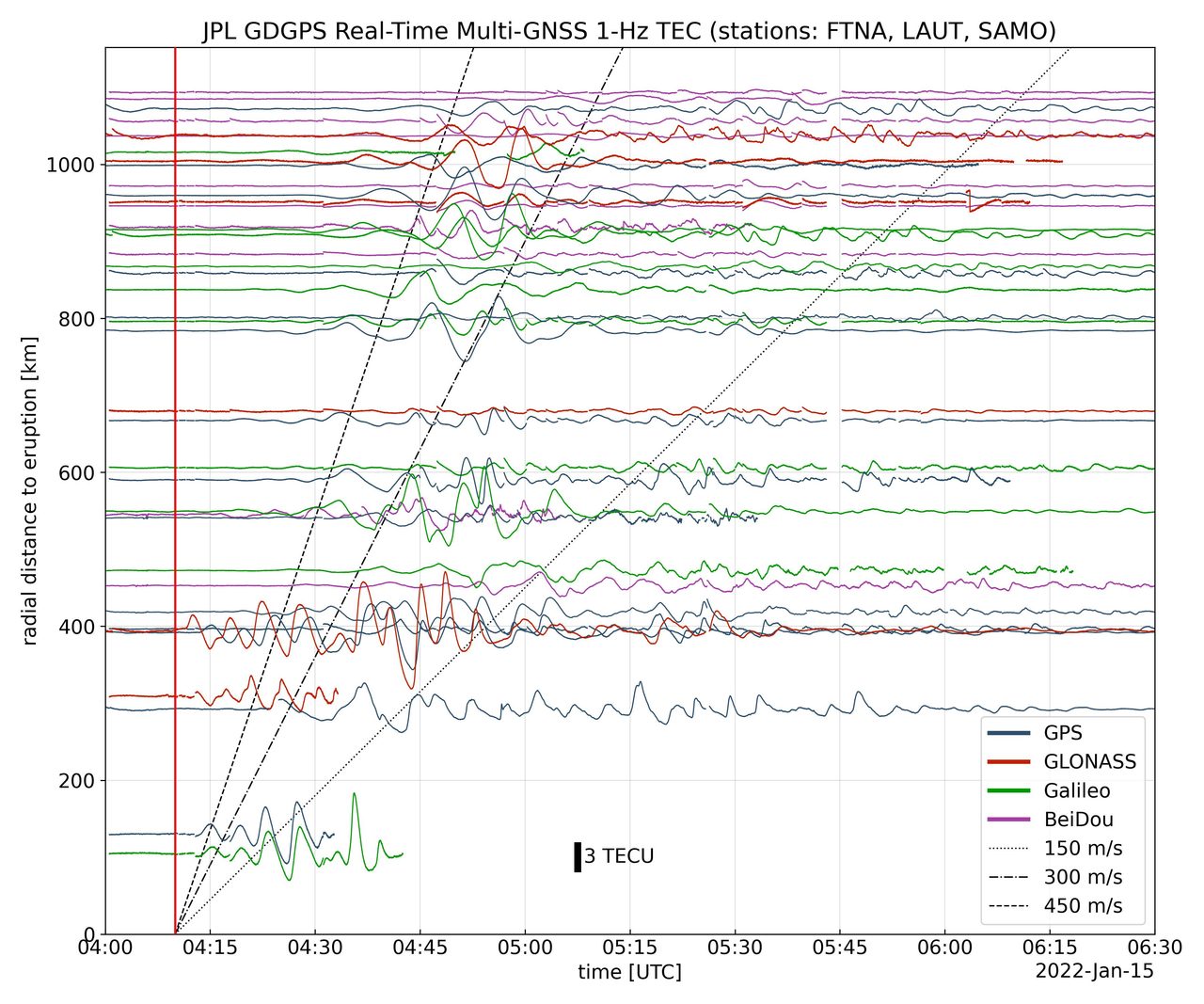
GLONASS-K modernises Russia’s satellite navigation system with longer-lived spacecraft and new radio signals, operating roughly 19,100 km above Earth.

Biggest Satellite in Orbit: The Heaviest Objects Ranked
The ISS is the heaviest satellite in orbit, but catalogue rankings tell a different story. Explore the distinction between assembled stations, individual spacecraft and spent rocket stages.

Who Tracks Space Debris? Inside the Global Network
Military surveillance networks, civilian agencies and commercial firms share the task of tracking space debris. Here is how their observations become collision warnings.
How Long Does It Take to Get to Mars?
Getting to Mars usually takes seven to nine months. The journey depends on where both planets will be at arrival, not simply how far apart they are at launch.