Space News Mission Log — Satellite Launches, Orbital Events & Analysis
Daily space news, satellite launch reports, orbital debris analysis and weekly roundups — grounded in live tracking data from our network monitoring 56 published reports.
A Rare Triple Alignment: Plane, Space Station, and Sun
A stunning image captures a rare alignment of an airplane, the International Space Station, and sunspots against the Sun, revealing the intricate dance of celestial and terrestrial bodies.
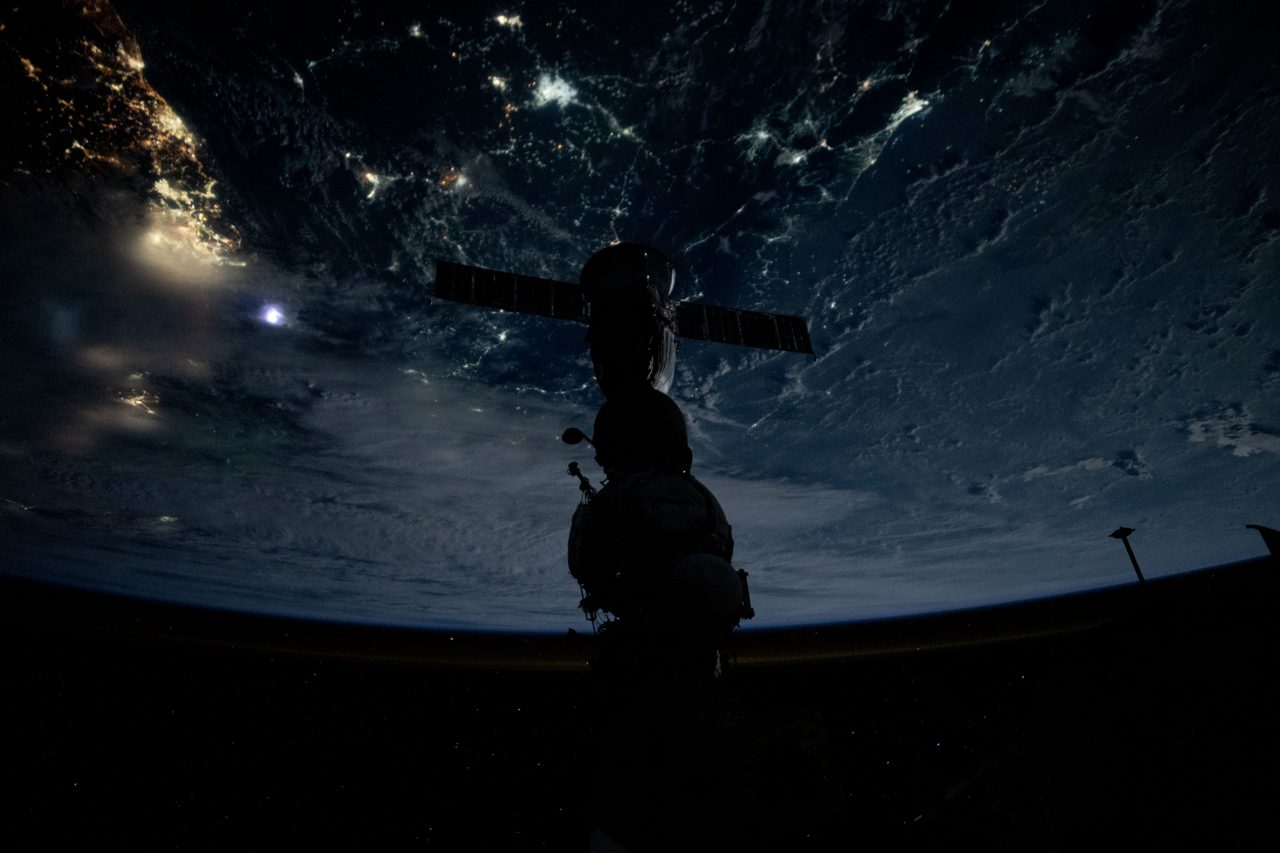
How Long Does It Take to Get to the ISS? Hours to Days
Reaching the ISS can take about three hours or stretch over one or two days. The difference is largely about launch timing, orbital alignment and the spacecraft's rendezvous plan.
Celestial Connection: Barnard's Loop Illuminates Twin Volcanoes
A rare alignment of Barnard's Loop over Parinacota and Pomerape volcanoes offers a stunning celestial spectacle, blending folklore with astrophysics.
Celestial Dance: Jupiter and Venus in Stunning Conjunction
Jupiter and Venus align in a rare celestial event visible worldwide. Discover the science and beauty of this planetary conjunction.
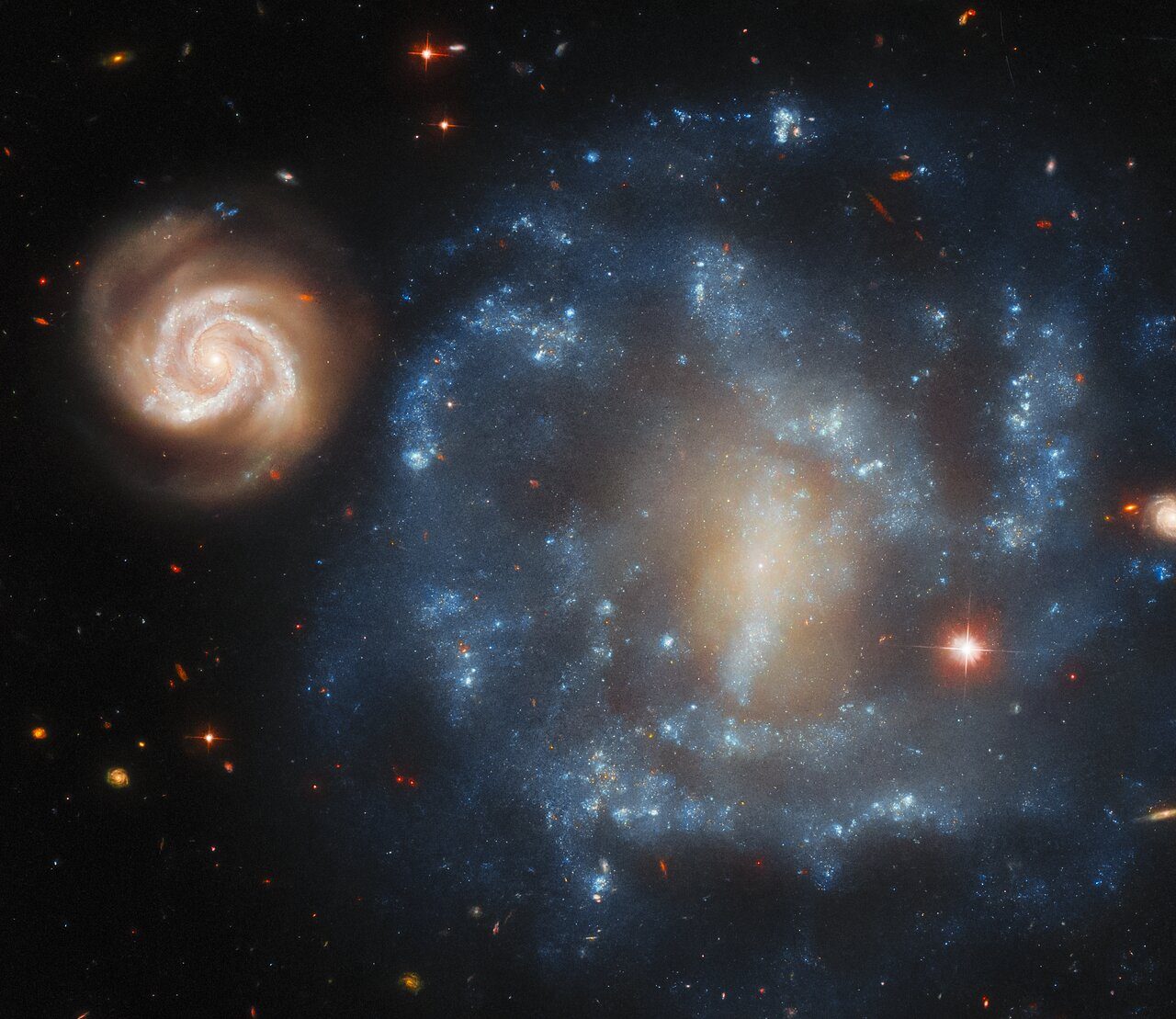
Long-distance relationship: Arp 4’s deceptive galaxy pair
Arp 4 looks like a pair of neighbouring galaxies. Hubble’s view instead reveals a chance alignment, with the brighter spiral more than ten times farther away.
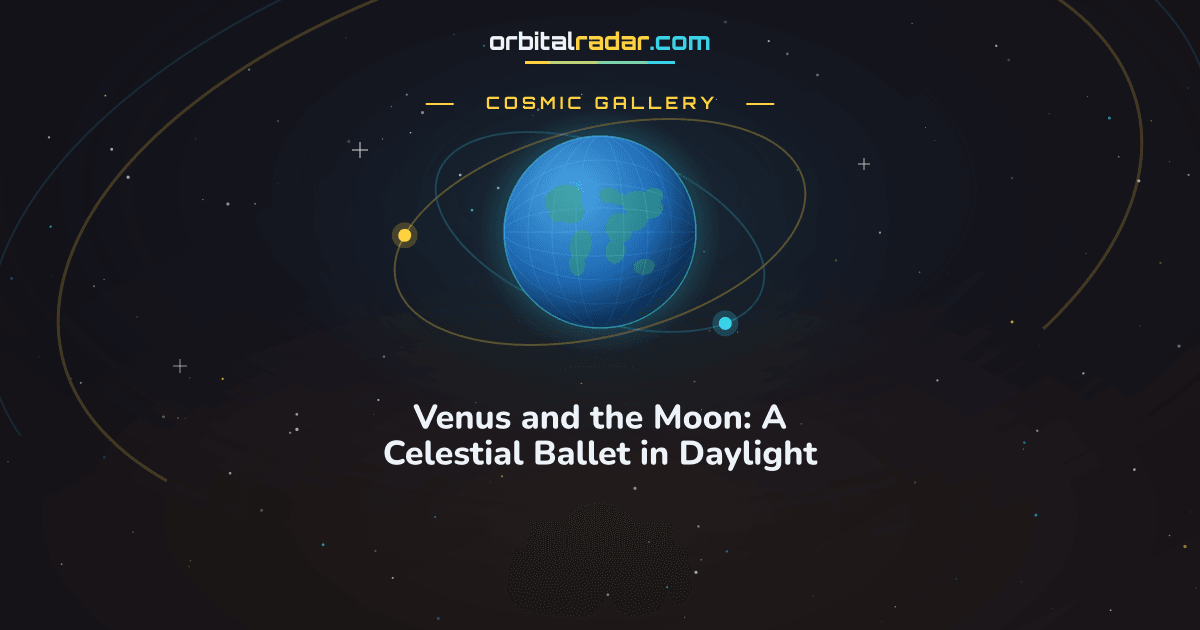
Venus and the Moon: A Celestial Ballet in Daylight
Witness the rare sight of Venus and the Moon in daylight, showcasing the beauty and complexity of celestial mechanics.
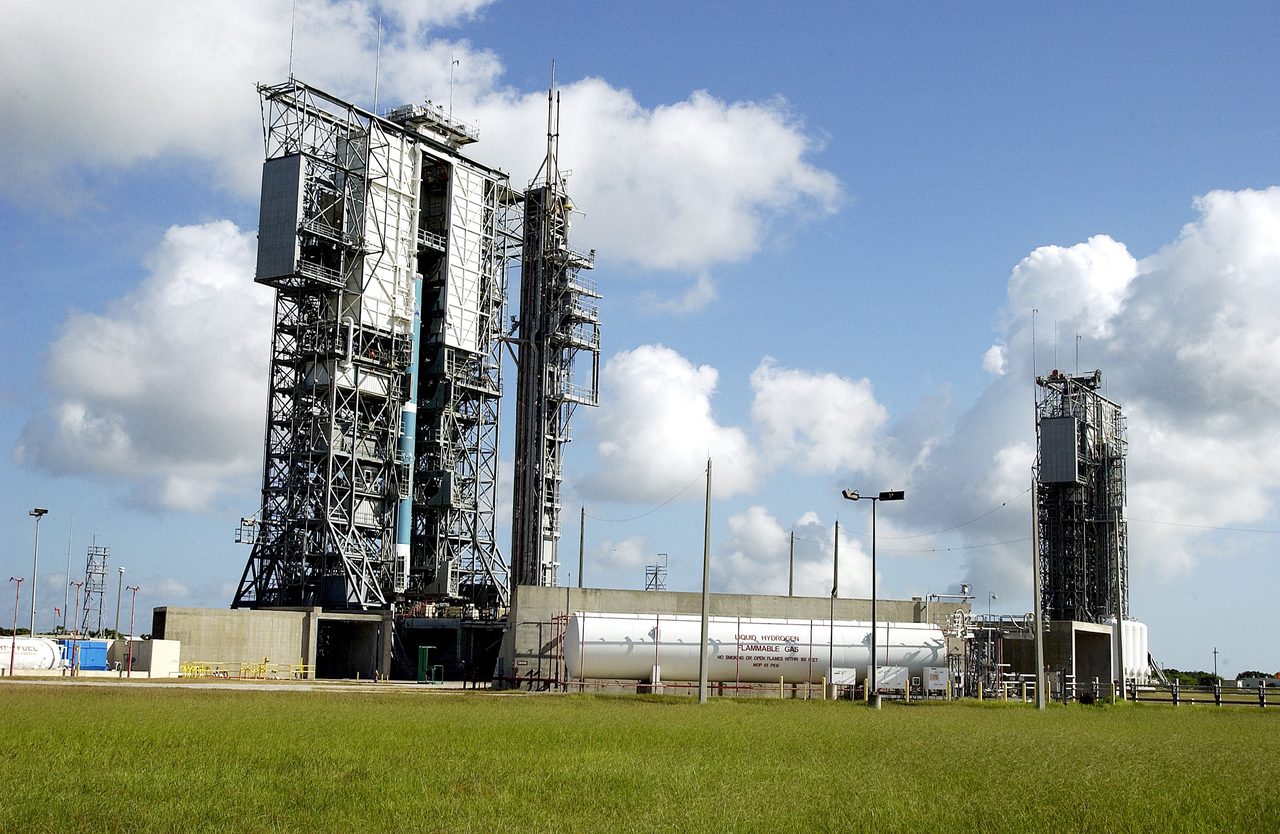
Why Do Rocket Launches Get Scrubbed? Delays Explained
Rocket launches are scrubbed when weather, hardware or flight-safety conditions prevent a safe departure. Here is what causes delays and what determines the next attempt.
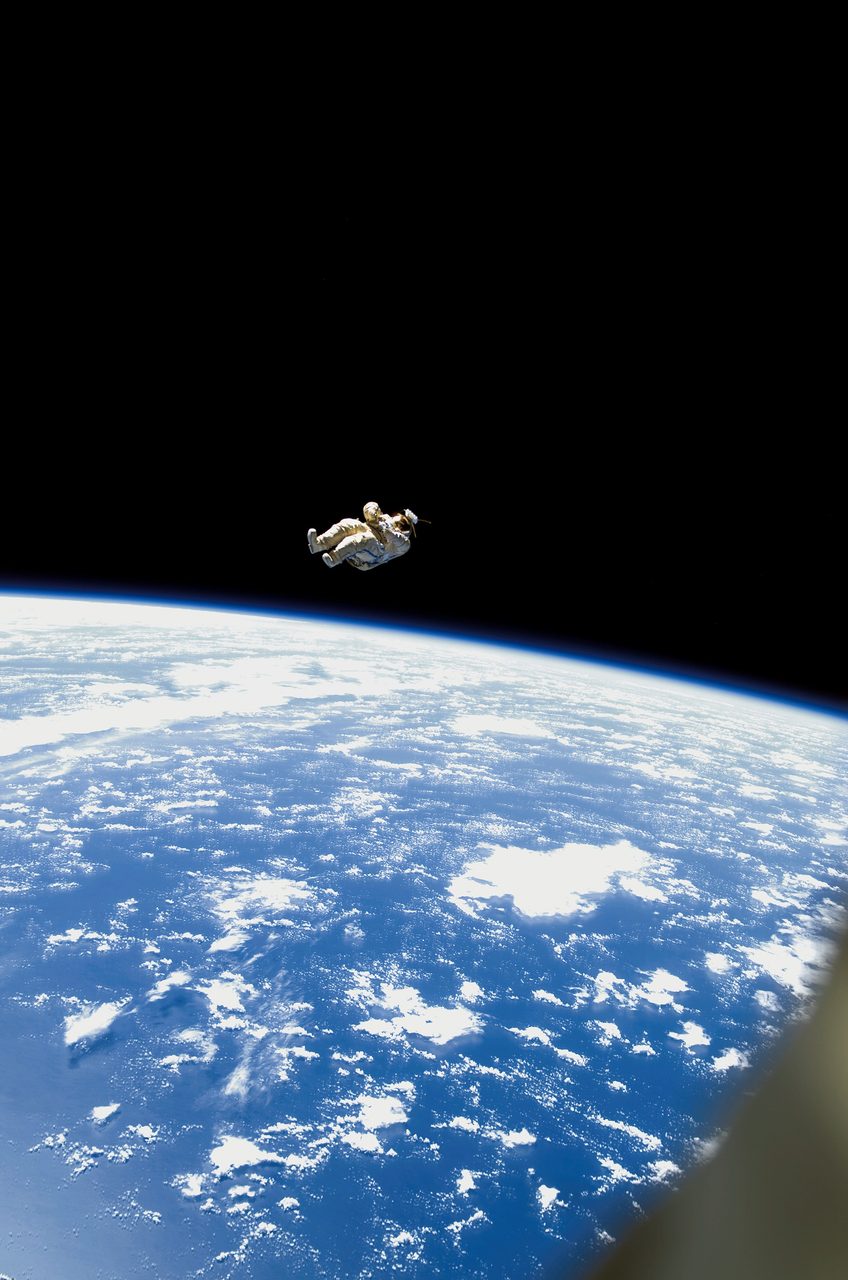
How Many Starlink Satellites Fall Each Day?
1.5 Starlink satellites re-enter Earth's atmosphere each day, according to Orbital Radar data. Explore the reasons behind these controlled re-entries.
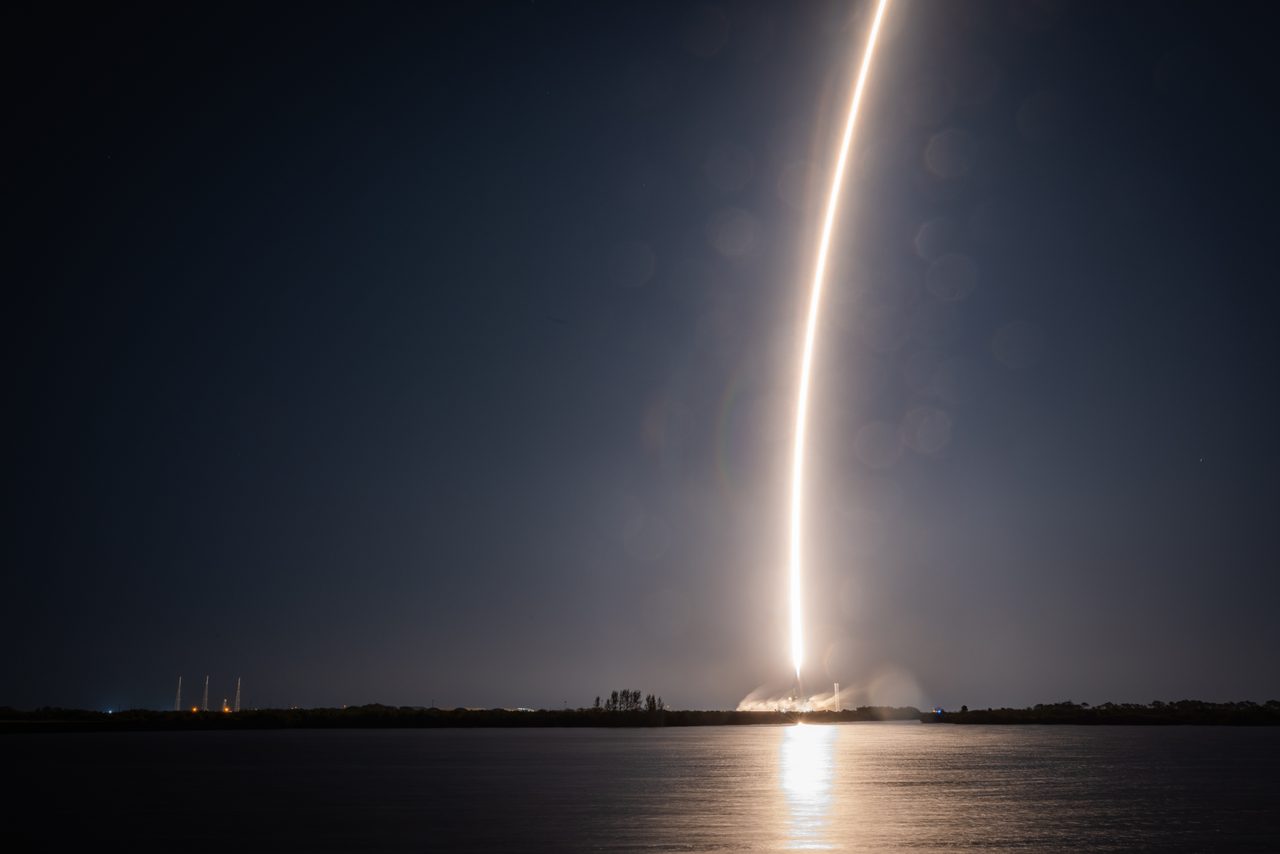
Rocket Launch Windows: Understanding Timing and Strategy
A launch window is the specific time period during which a rocket must be launched to reach its intended orbit or destination. Discover why timing is critical.

AR Satellite Finder: Identify the Sky with Skylens AR
Point your phone skywards to connect satellite predictions with the view overhead. This guide explains Skylens AR, the science behind satellite positions and how to recognise a visible pass.
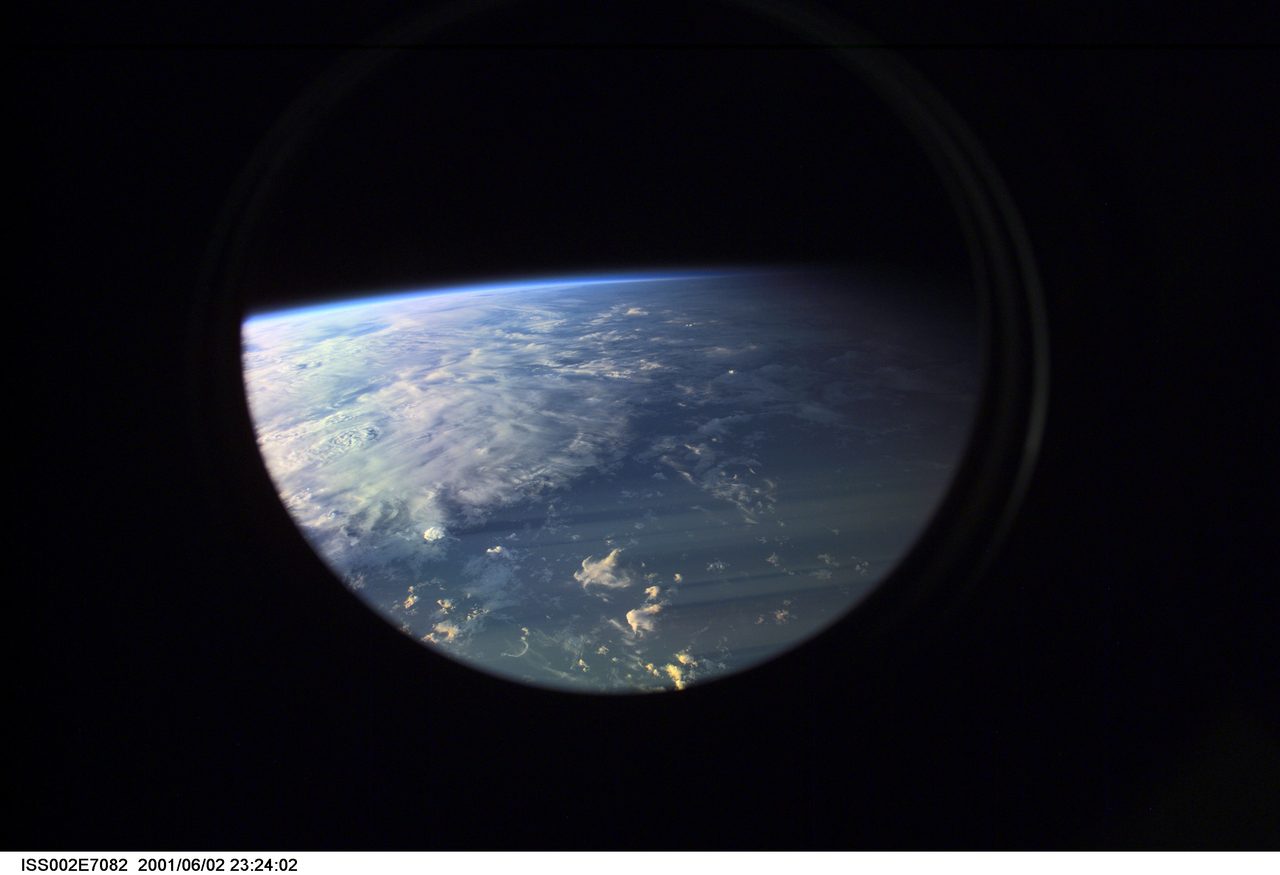
Why Can You Only See Satellites at Night? Twilight Explained
Satellites shine by reflected sunlight, not because night switches them on. The best views come when the ground is dark but the spacecraft overhead remains sunlit.
How Long Does It Take to Get to Mars?
Getting to Mars usually takes seven to nine months. The journey depends on where both planets will be at arrival, not simply how far apart they are at launch.