Space News Mission Log — Satellite Launches, Orbital Events & Analysis
Daily space news, satellite launch reports, orbital debris analysis and weekly roundups — grounded in live tracking data from our network monitoring 60 published reports.
Psyche's Dance with Mars: A Celestial Gravity Assist
The Psyche spacecraft uses Mars for a gravity assist, accelerating its mission to the metallic asteroid Psyche, expected to arrive in 2029.
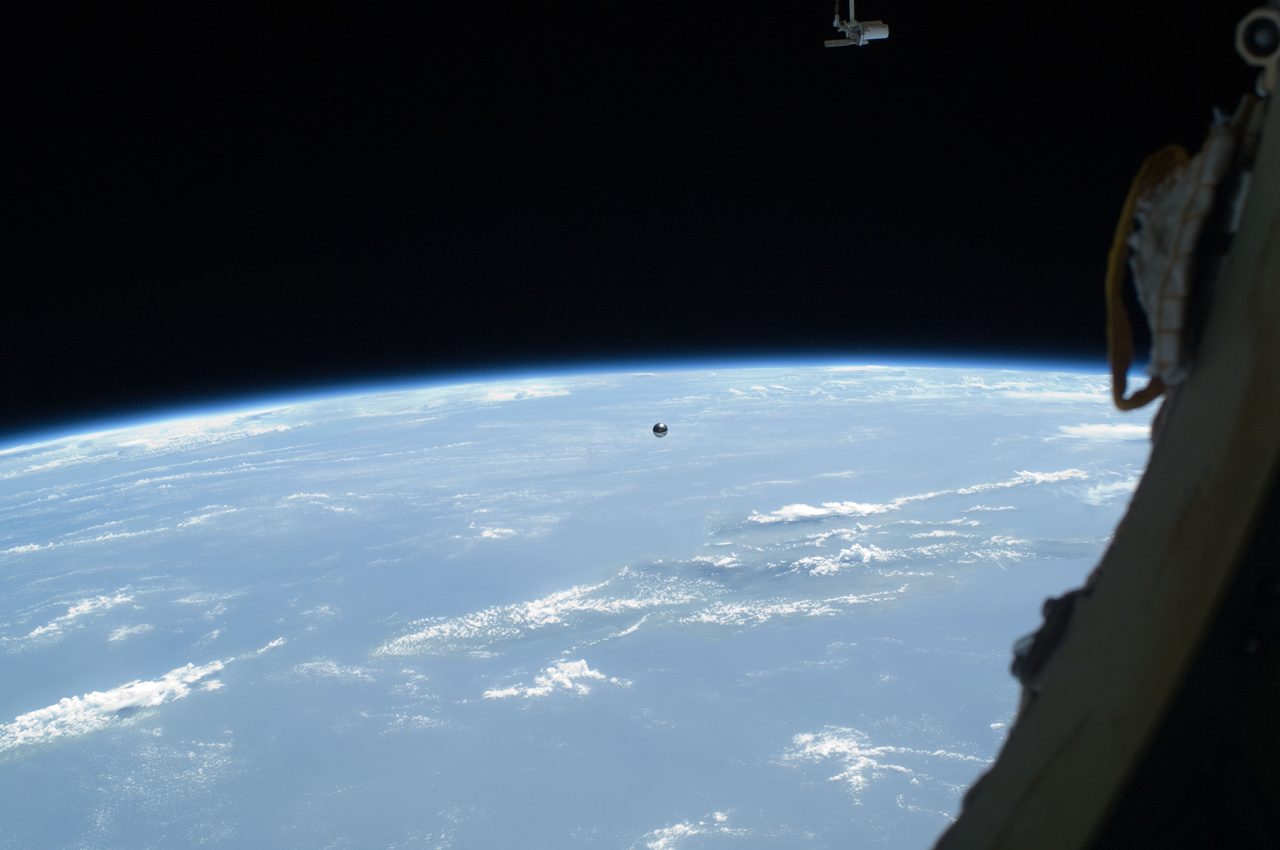
Why Don't Satellites Fall? How Orbits Really Work
Satellites stay in orbit by falling around Earth rather than straight towards it. Their altitude and speed determine how they travel — and how atmospheric drag eventually brings some down.
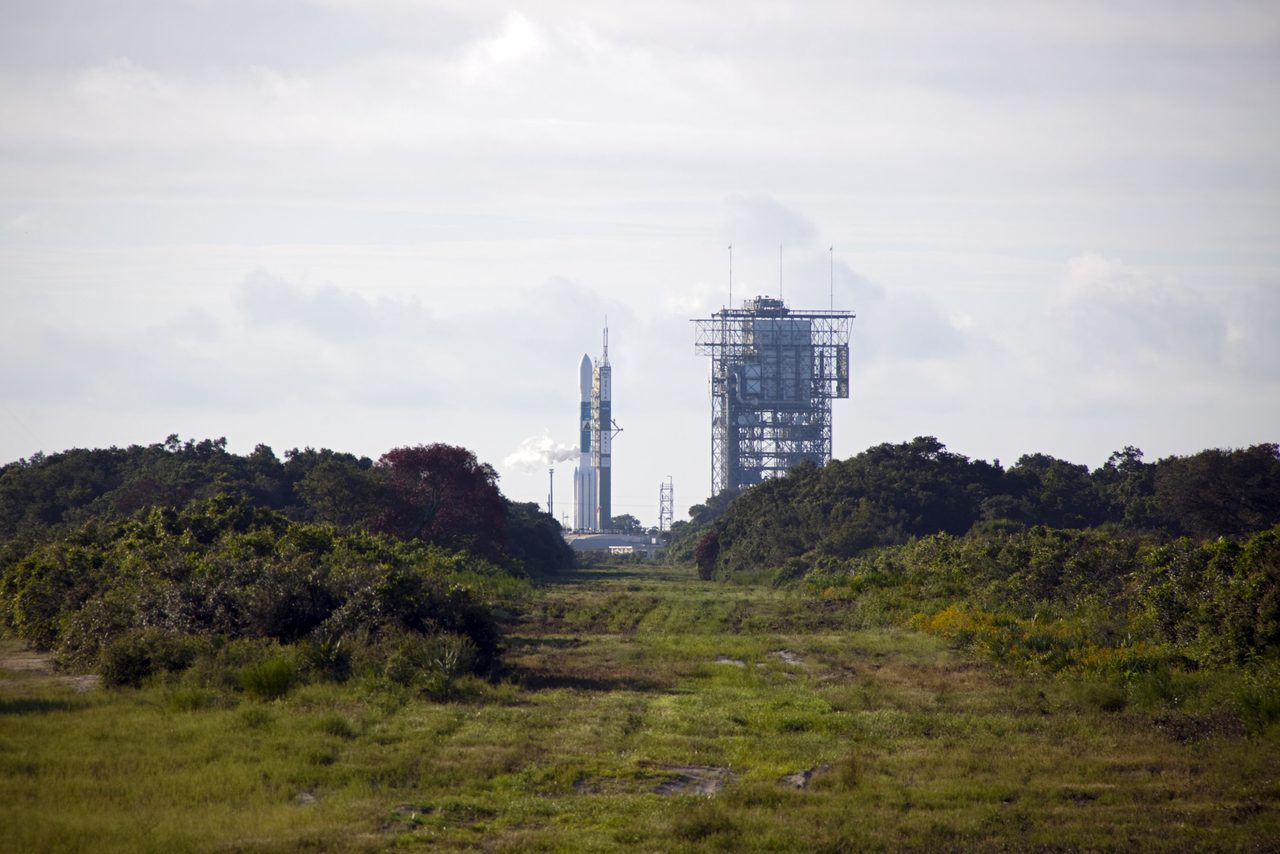
Lunar Gateway Orbit: Why NASA Chose a Halo Around the Moon
Gateway is designed for a looping orbit rather than a close circle around the Moon. Its route explains how lunar gravity, communications and landing access shape mission design.
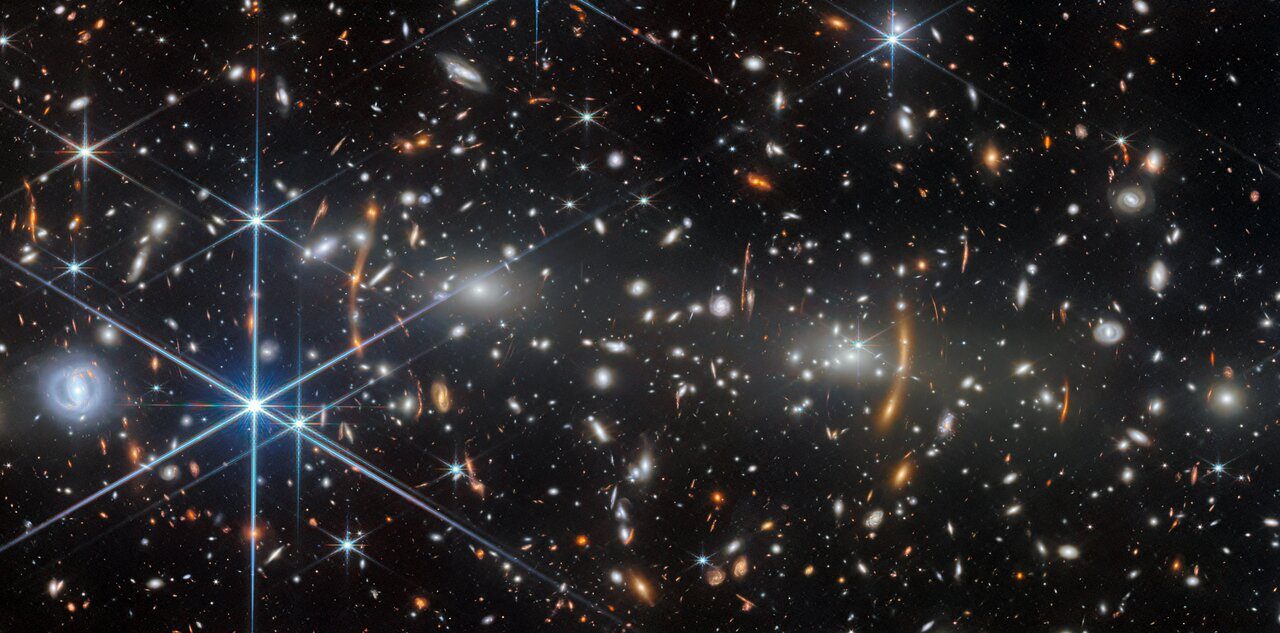
A cosmic construction project bends distant starlight
Two merging galaxy groups dominate Webb’s view of MACS J0553.4-3342. Their combined gravity stretches distant background galaxies into luminous orange arcs.
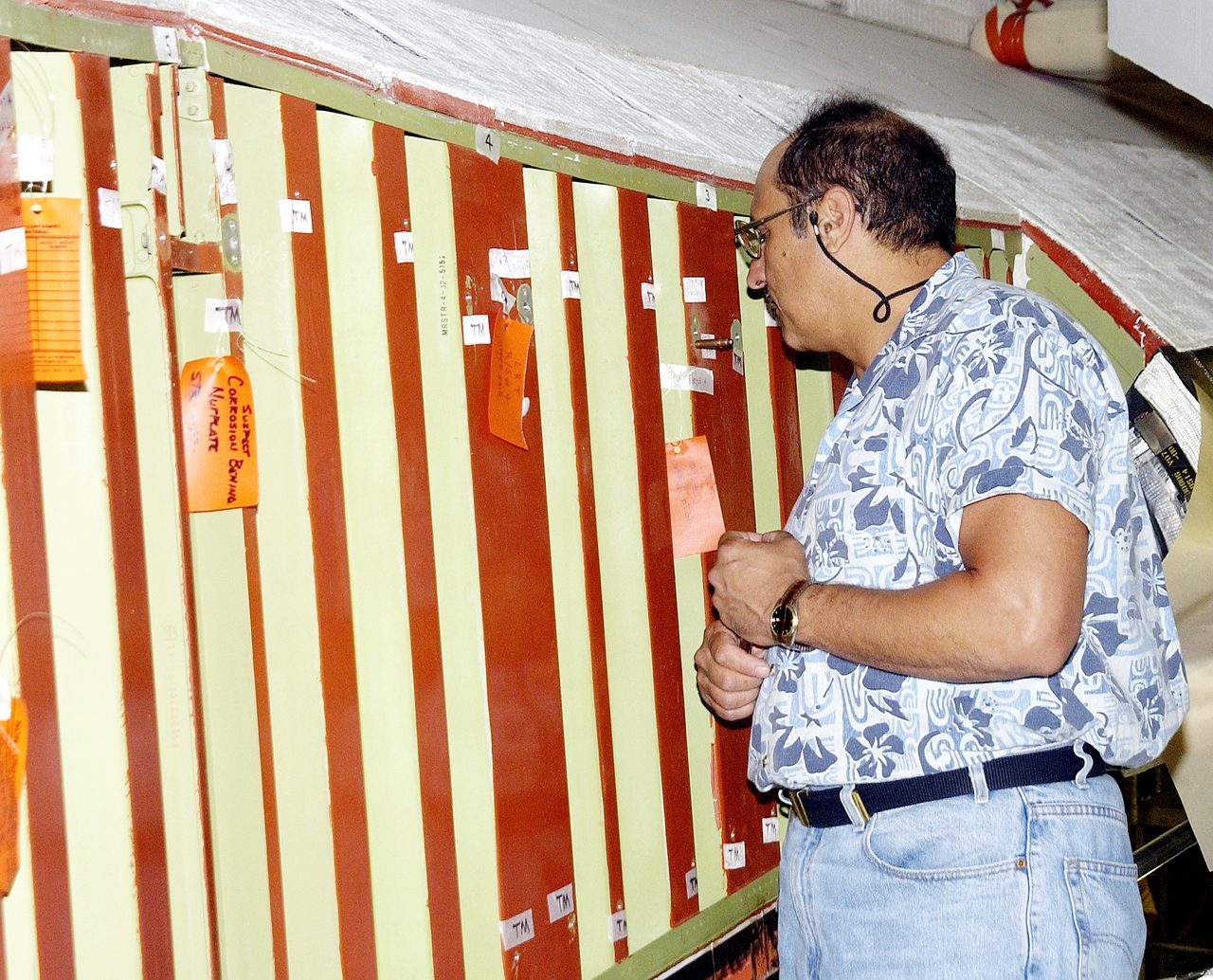
China's Maritime Rocket Launch and ISS Repairs Highlight Busy Day in Space
China's Gravity-1 sets a record with a sea launch, while the Soyuz MS-29 crew completes critical ISS repairs. Satellite close approaches monitored.
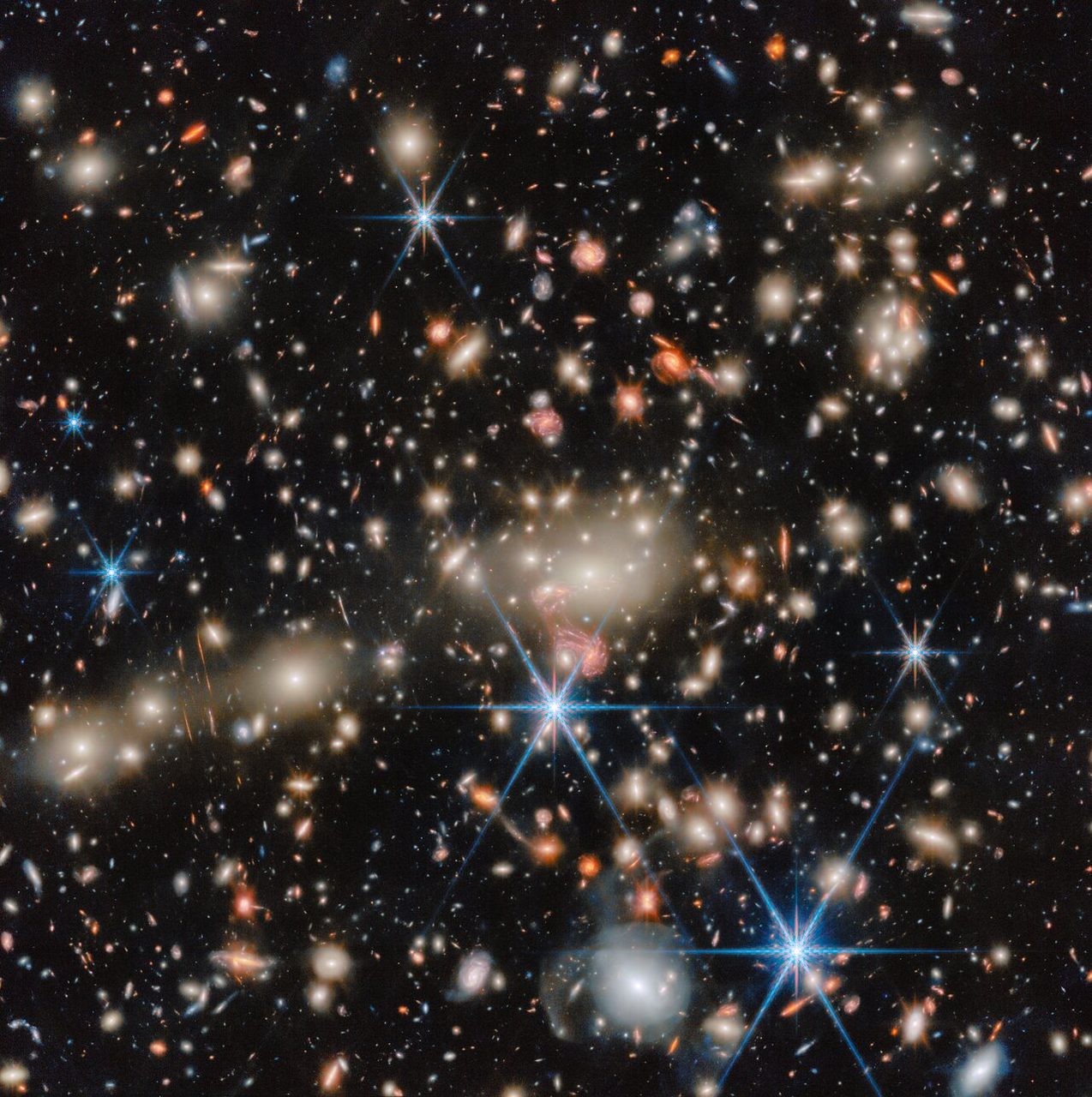
A celebrity cluster bends distant galaxies into the spotlight
About 5 billion light-years away, galaxy cluster MACS J1149 bends the light of galaxies behind it. Webb’s view reveals how gravity turns a cluster into a cosmic lens.
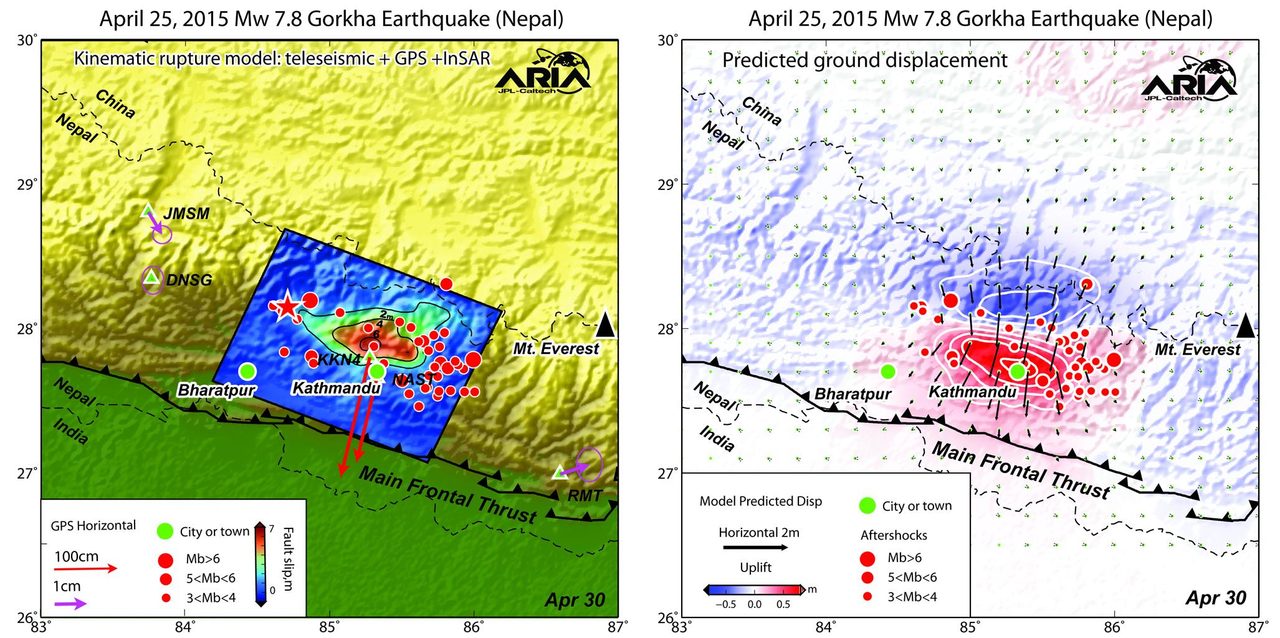
GPS relativity: why satellite navigation needs Einstein
GPS satellite clocks gain about 38 microseconds a day relative to clocks on Earth. Einstein’s relativity explains why—and how navigation engineers keep that difference under control.
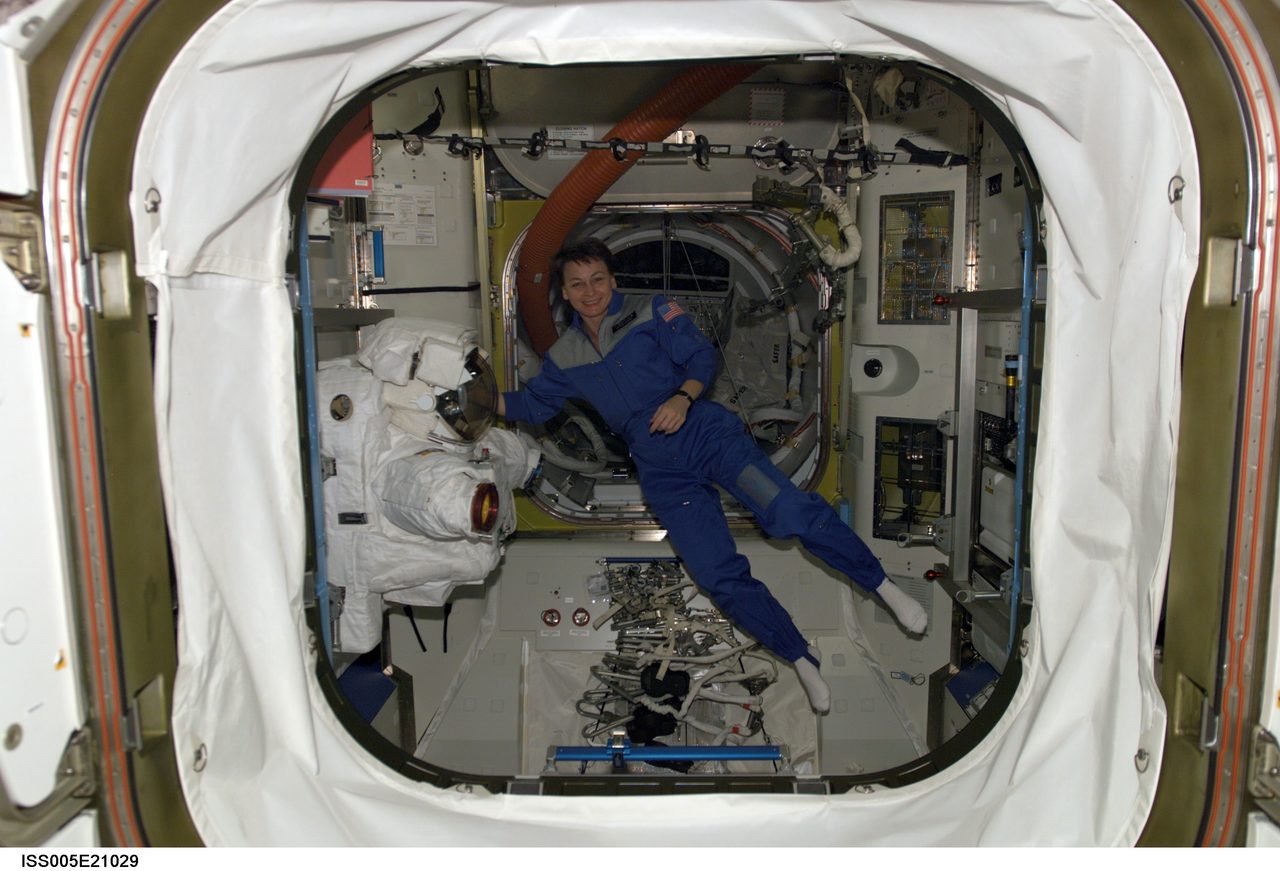
What Happens to Your Body in Space? The Human Effects
Spaceflight changes how bones, muscles, circulation and eyesight work. Explore the risks of long ISS stays, the countermeasures crews use and what recovery involves.
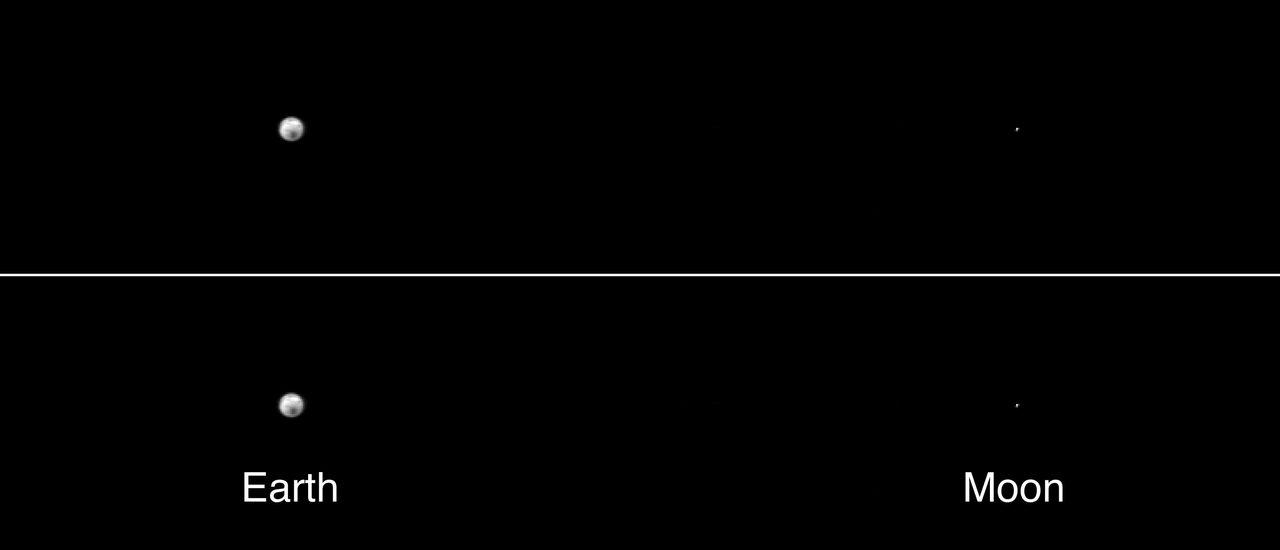
Cislunar Space Situational Awareness: Beyond GEO
Tracking spacecraft near the Moon takes more than extending an Earth-orbit catalogue. Faint targets, shifting trajectories and patchy coverage demand a different approach.
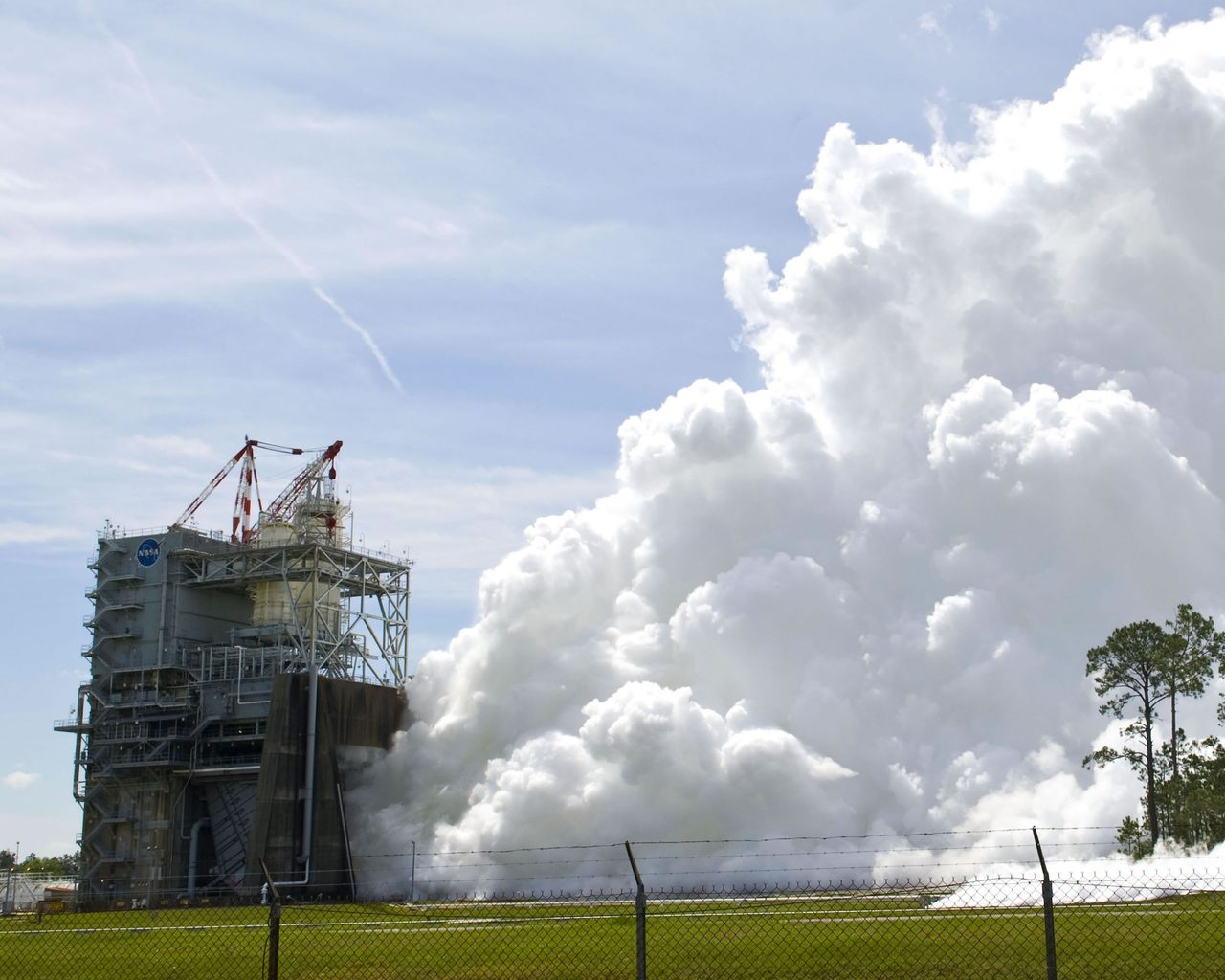
Types of Rocket Propulsion: Chemical, Electric and Nuclear
Chemical engines deliver thrust, electric thrusters conserve propellant, and nuclear concepts offer different trade-offs. Here is how mission designers choose between them.
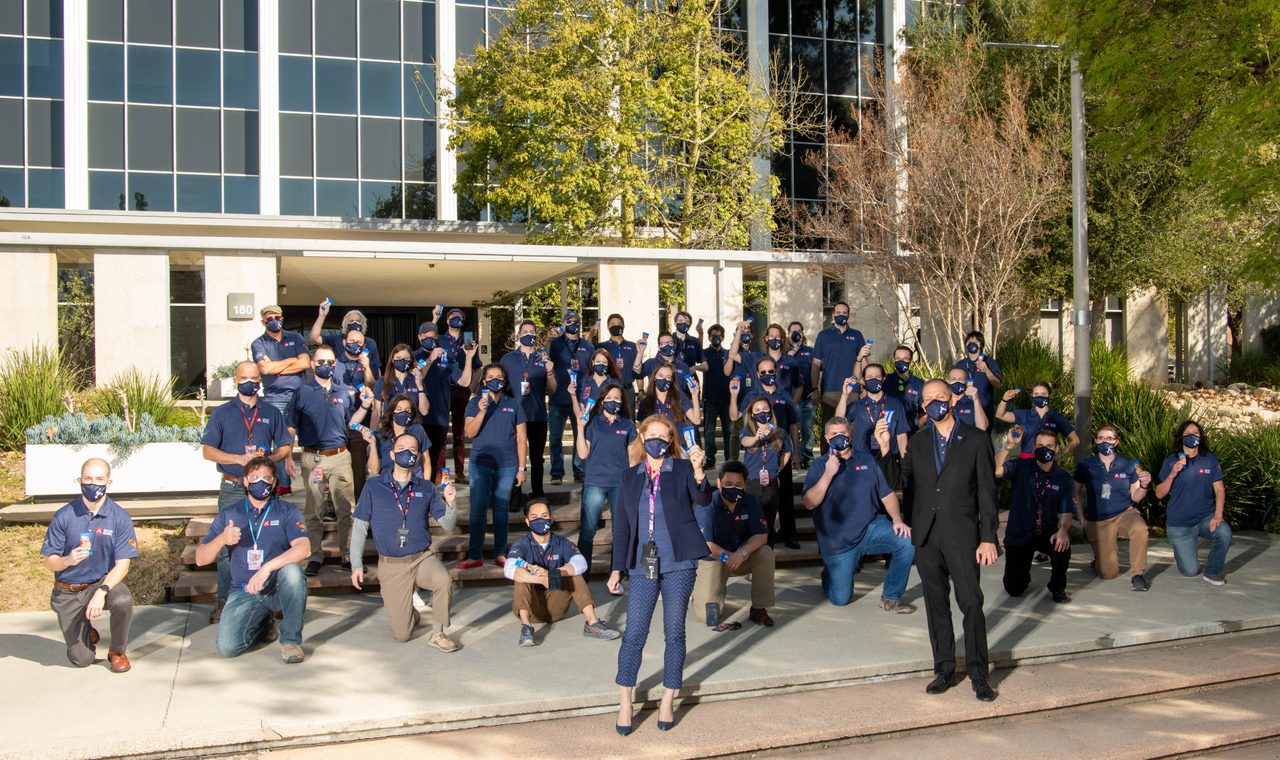
How Long Does It Take to Get to Mars?
Getting to Mars usually takes seven to nine months. The journey depends on where both planets will be at arrival, not simply how far apart they are at launch.
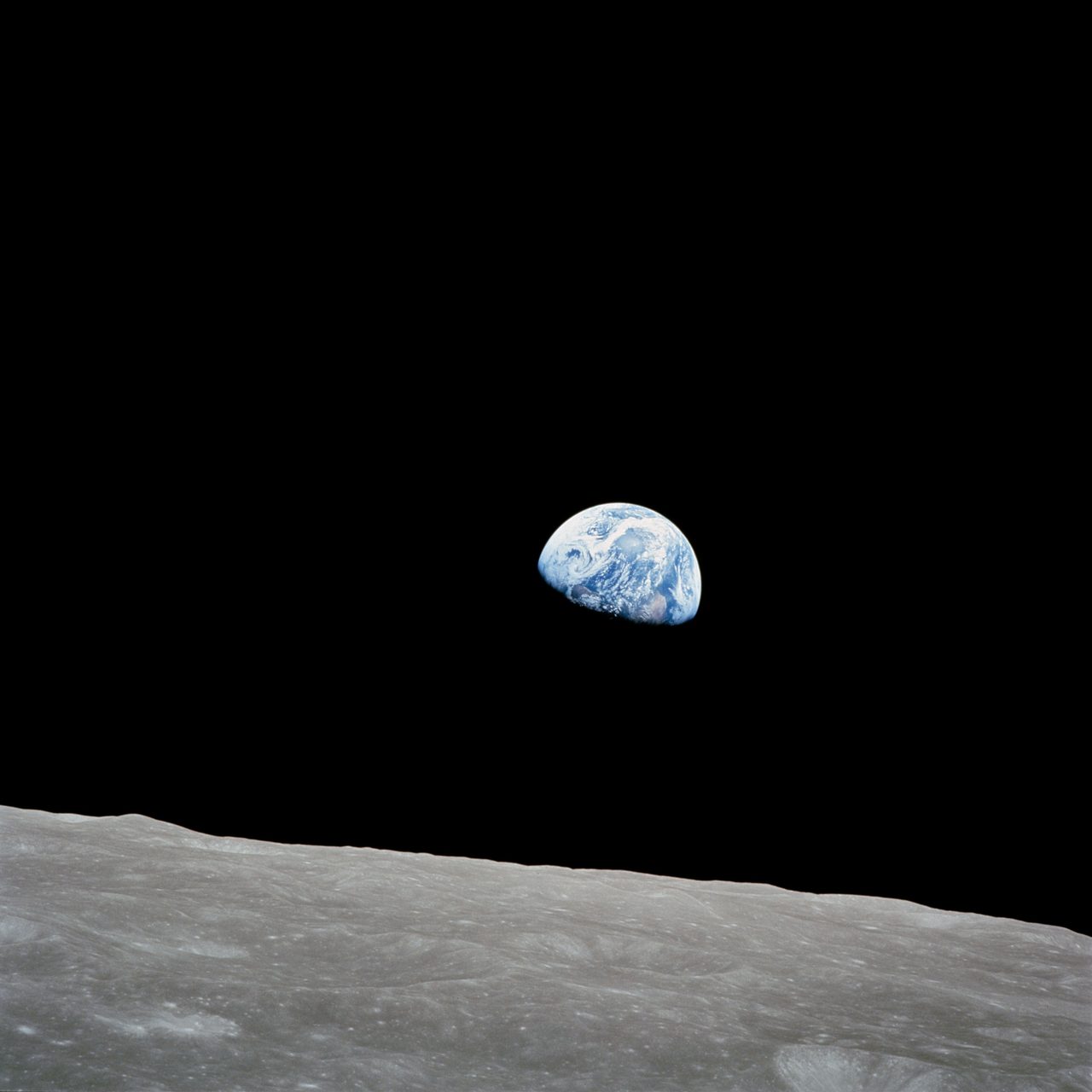
How Long Does It Take to Get to the Moon?
Reaching the Moon can take about three days or several months. The difference lies in the route, the fuel budget and whether a spacecraft must land, orbit or simply fly past.