Space News Mission Log — Satellite Launches, Orbital Events & Analysis
Daily space news, satellite launch reports, orbital debris analysis and weekly roundups — grounded in live tracking data from our network monitoring 64 published reports.
How to Spot a Starlink Satellite Train in the Night Sky
Starlink satellite trains can be seen as strings of bright dots moving across the night sky. Learn when and where to look for these formations.
Perseids Radiance: A Celestial Dance in the Night Sky
The Perseids meteor shower, enhanced by a solar eclipse, dazzled observers with its radiant in Perseus. Learn the science behind this celestial event.
Moving Light in the Sky: How to Identify What You See
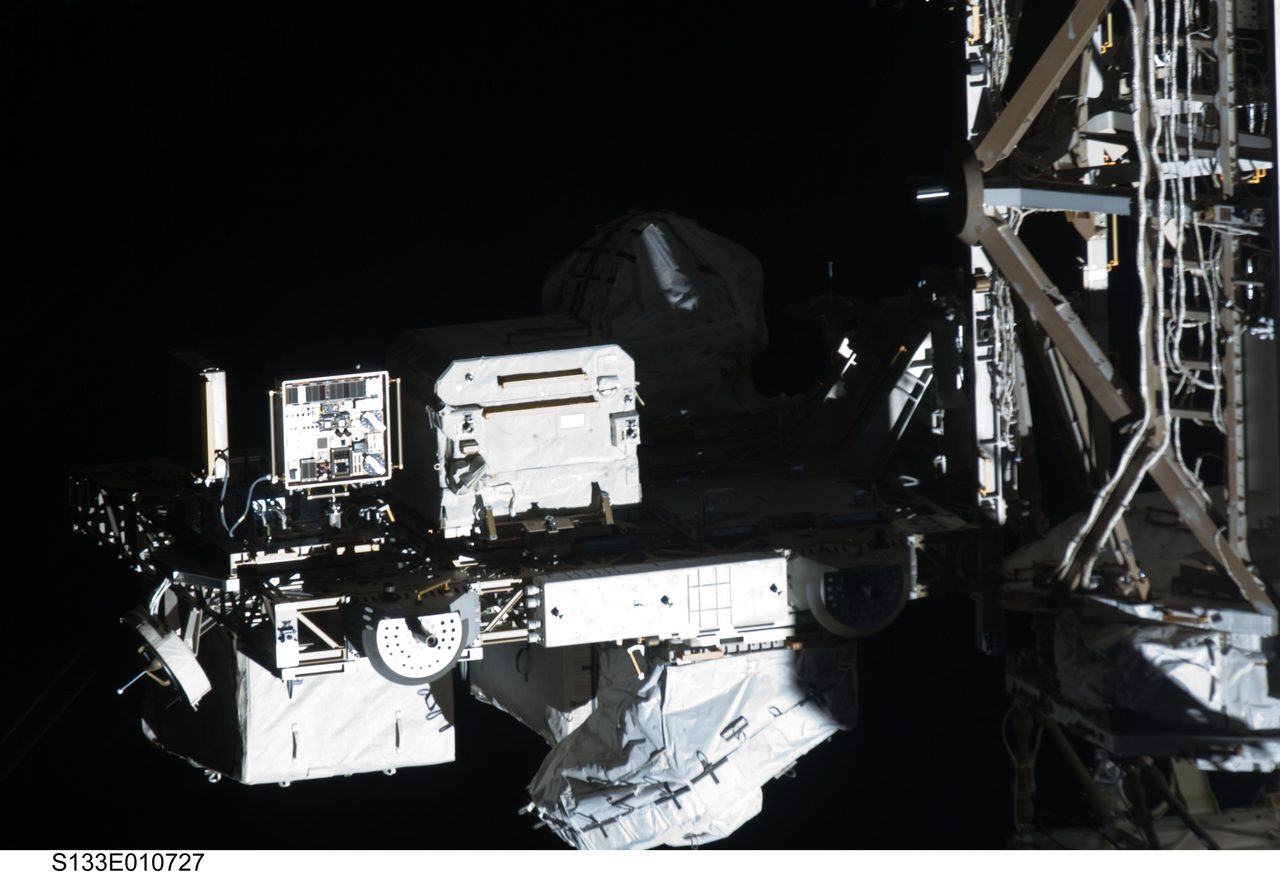
A steady moving light could be a satellite, but motion alone cannot identify it. Use its path, flashing, duration and a predicted pass to narrow down what you saw.
How to See the ISS from Your Backyard Tonight
See the International Space Station from your backyard by checking its visible passes and timing your observation for optimal conditions.
Iridium Flares: Predictable Satellite Flashes Explained
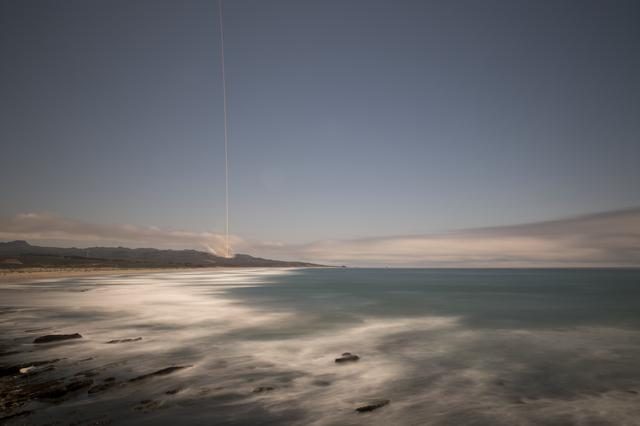
Iridium flares are bright flashes of light caused by sunlight reflecting off the antennas of Iridium satellites, once a common sight in our night sky.
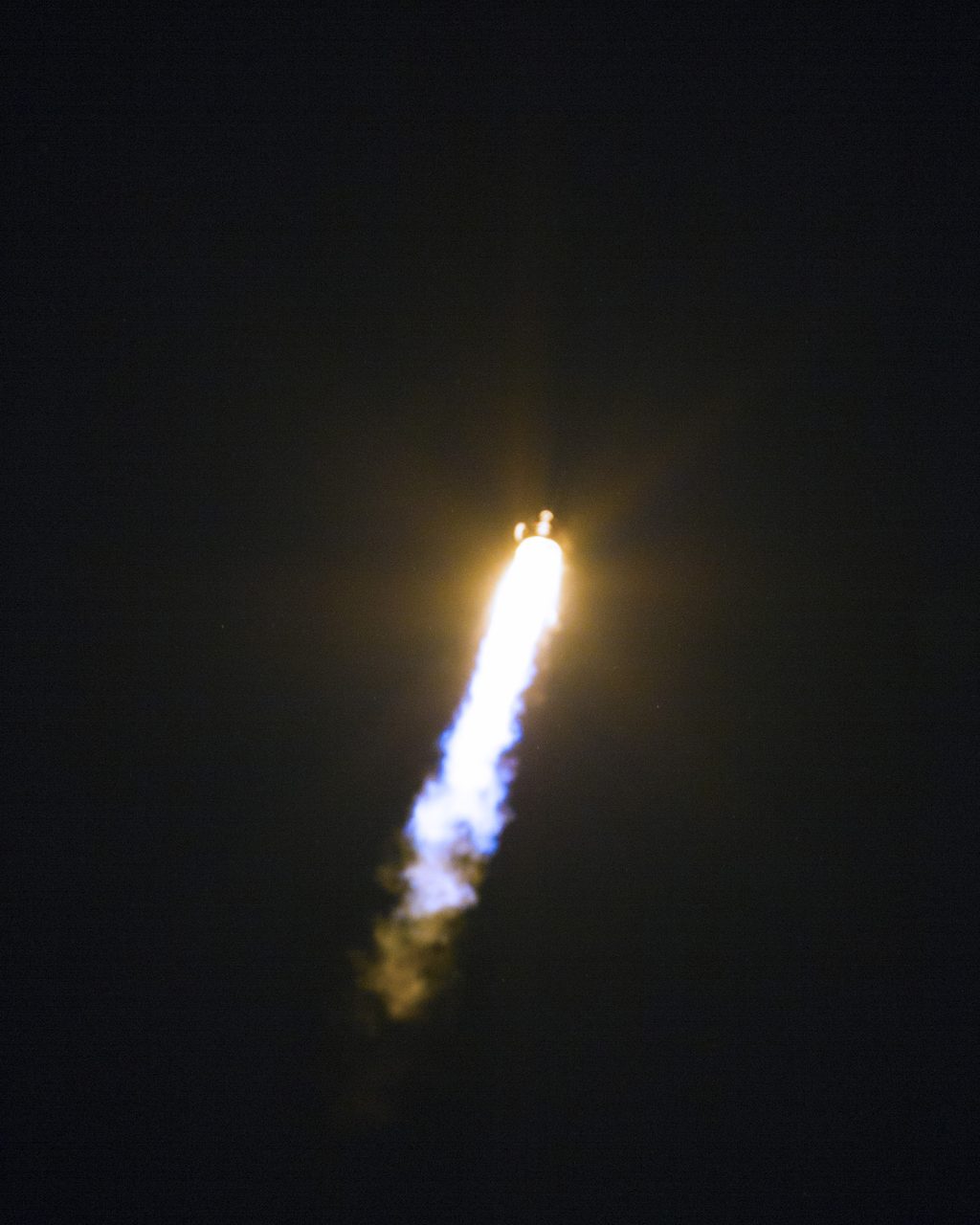
How to Photograph Satellites: A Comprehensive Guide
Discover how to photograph satellites and the ISS with expert guidance on equipment, timing, and techniques for stunning results.
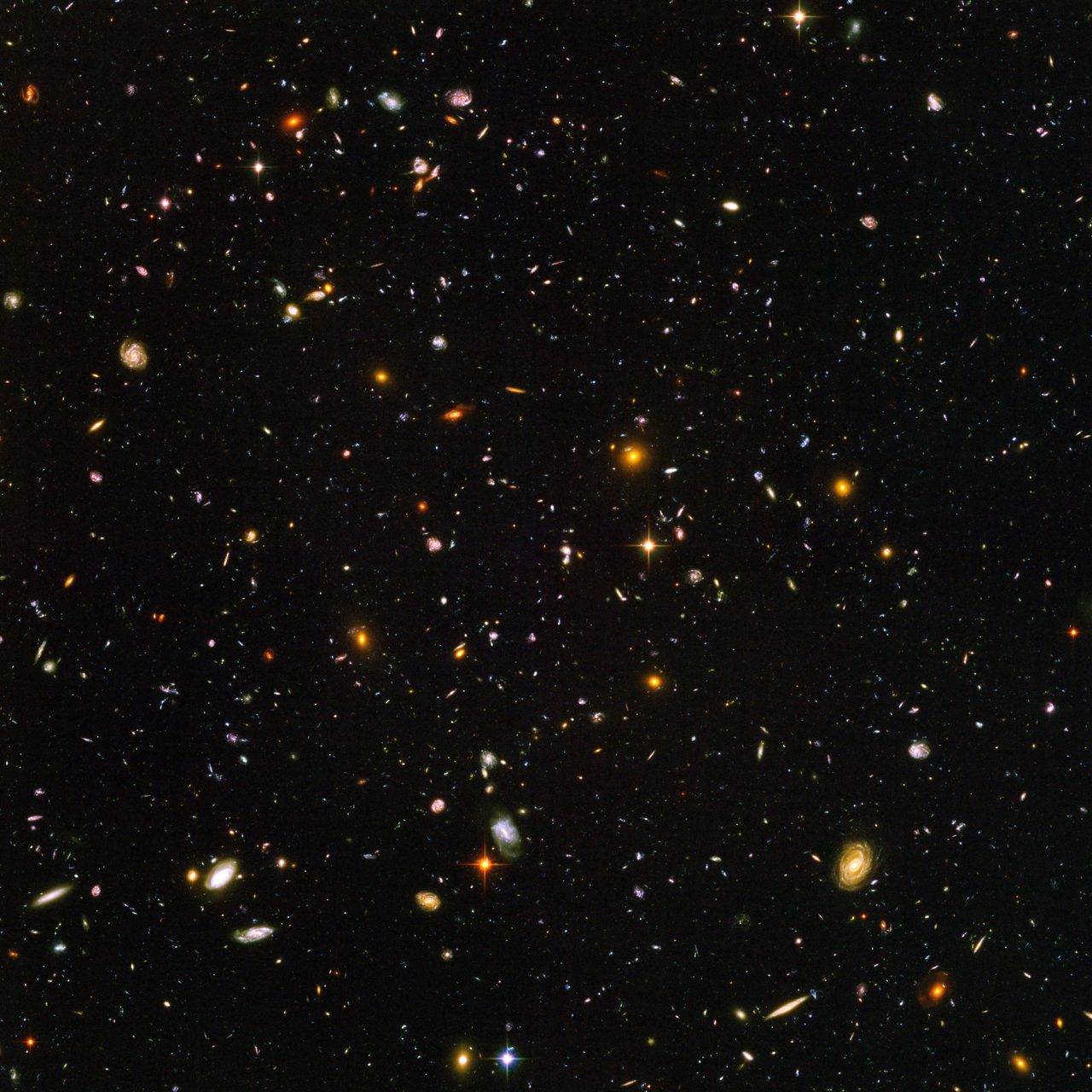
Exploring the Vastness: A Universe Beyond Grains of Sand
The universe contains more stars than grains of sand on Earth, highlighting its immense scale and the mysteries it holds.
Celestial Symphony: The Milky Way Over Yellowstone's Silex Spring
Discover the breathtaking view of the Milky Way arching over Yellowstone's Silex Spring, a unique blend of terrestrial and celestial wonders.
Celestial Reflections: Perseid Meteor and Milky Way
A Perseid meteor illuminates the night sky over La Palma, captured alongside the Milky Way and reflected in the LST-1 telescope's mirror.
Tracing the Stars: A Glimpse from Paranal
Star trails captured above Paranal Observatory reveal Earth's rotation, with arcs centred at the south celestial pole.
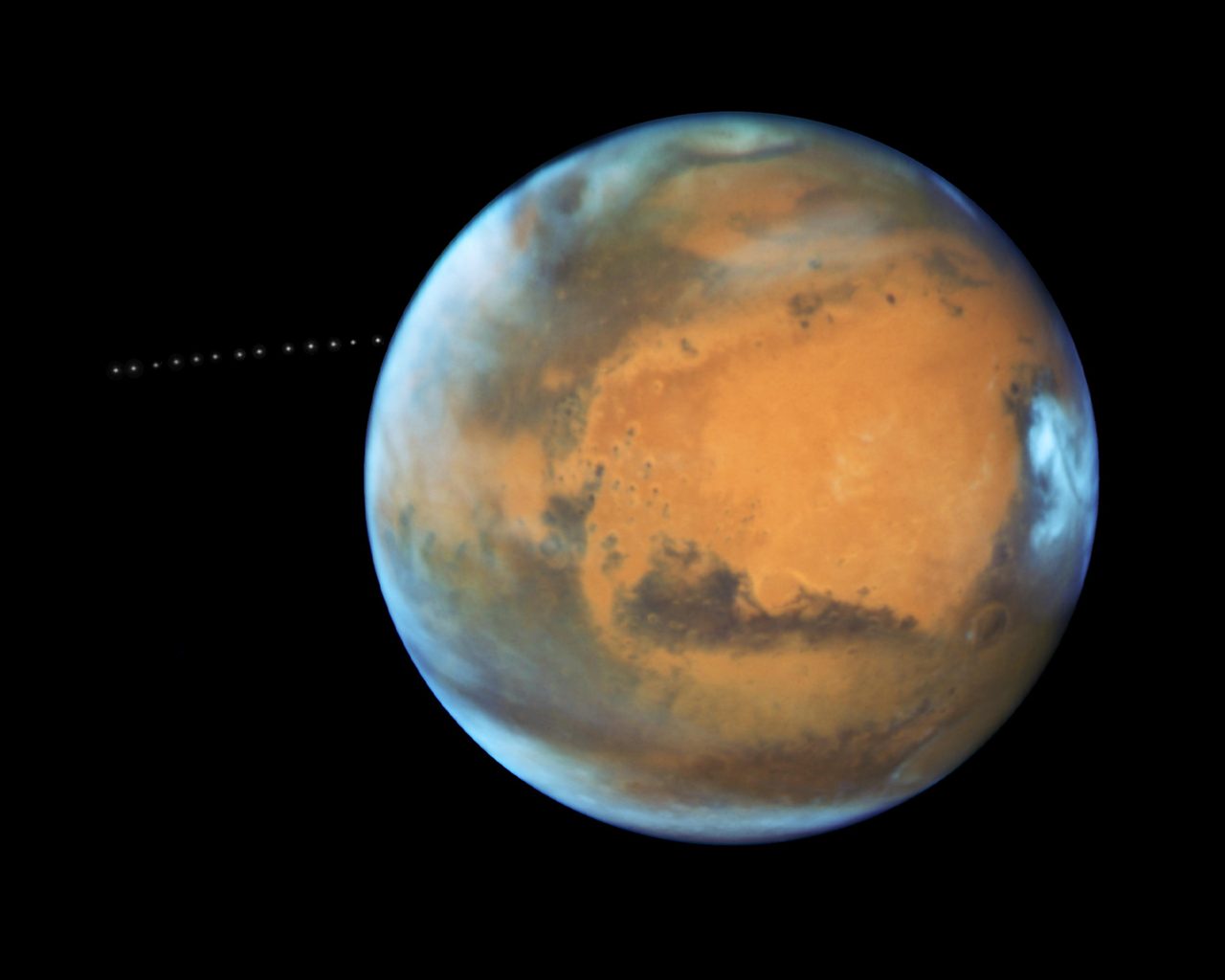
Understanding the Perseids: The Annual Meteor Shower Explained
The Perseids meteor shower occurs every August as Earth passes through debris from comet Swift-Tuttle, resulting in visible shooting stars.
Satellite or Shooting Star? How to Tell the Difference
A satellite usually glides across the sky; a shooting star flashes past. Learn the visual clues, the exceptions and how to check a suspected satellite sighting.