Space News Mission Log — Satellite Launches, Orbital Events & Analysis
Daily space news, satellite launch reports, orbital debris analysis and weekly roundups — grounded in live tracking data from our network monitoring 18 published reports.
Solar Observatory Spacecraft: Monitoring Our Sun
Solar observatory spacecraft are crucial for monitoring the Sun's activity and understanding space weather impacts on Earth.
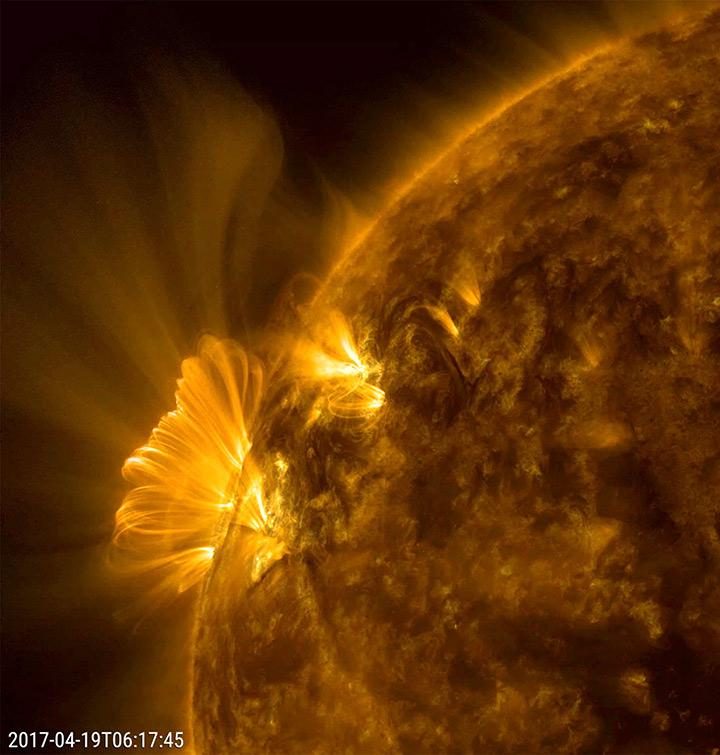
Unleashing the Sun: Understanding Coronal Mass Ejections
The Solar Dynamics Observatory captures a coronal mass ejection, illustrating the Sun's dynamic magnetic fields and their impact on Earth.
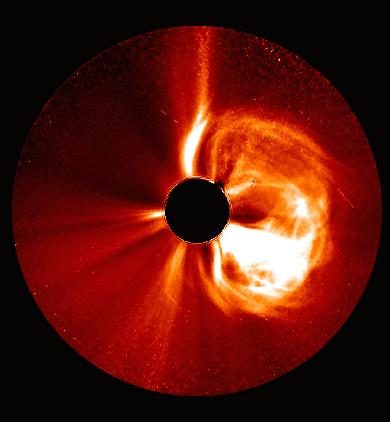
SOHO: the Sun-watching observatory at L1
Stationed around 1.5 million kilometres sunward of Earth, SOHO transformed observations of the solar interior, atmosphere and eruptions — and became an unexpected comet hunter.
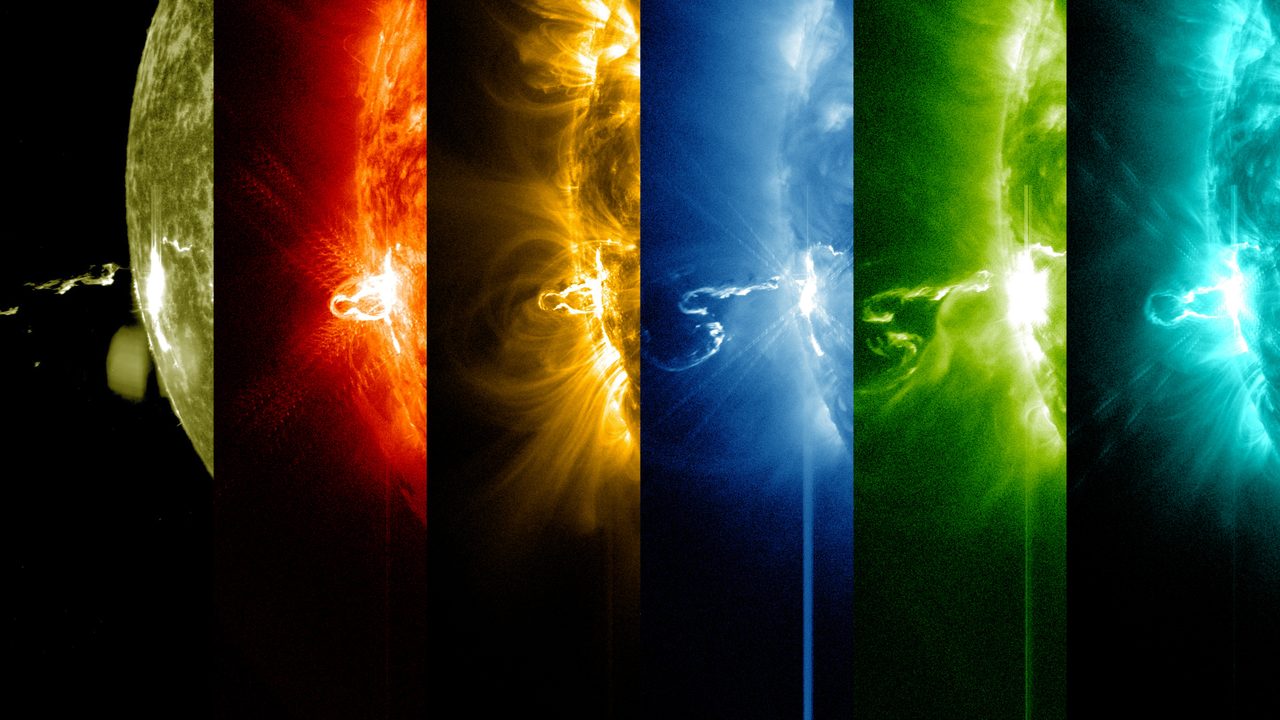
How Solar Storms Threaten Satellites and Power Grids
Solar storms can disrupt satellites and power grids by inducing geomagnetic currents and radiation, posing risks to technology and infrastructure.
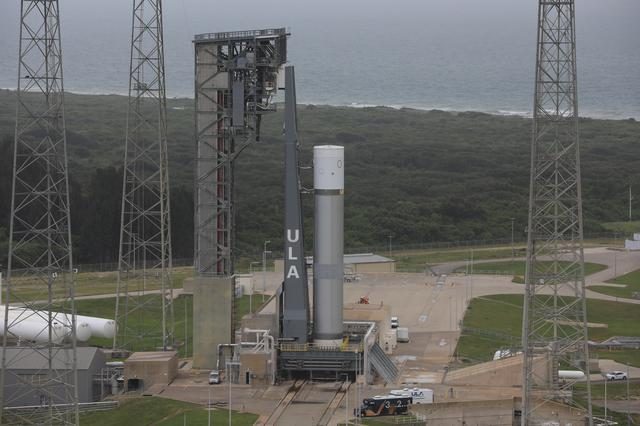
Vulcan targets November return: Orbital Briefing, 29 October
ULA is targeting mid-November for Vulcan’s return to flight. Meanwhile, sharp changes in Starlink drag estimates warrant scrutiny ahead of SpaceX and ISRO launches.
This Week in Orbit: 2026-09-13
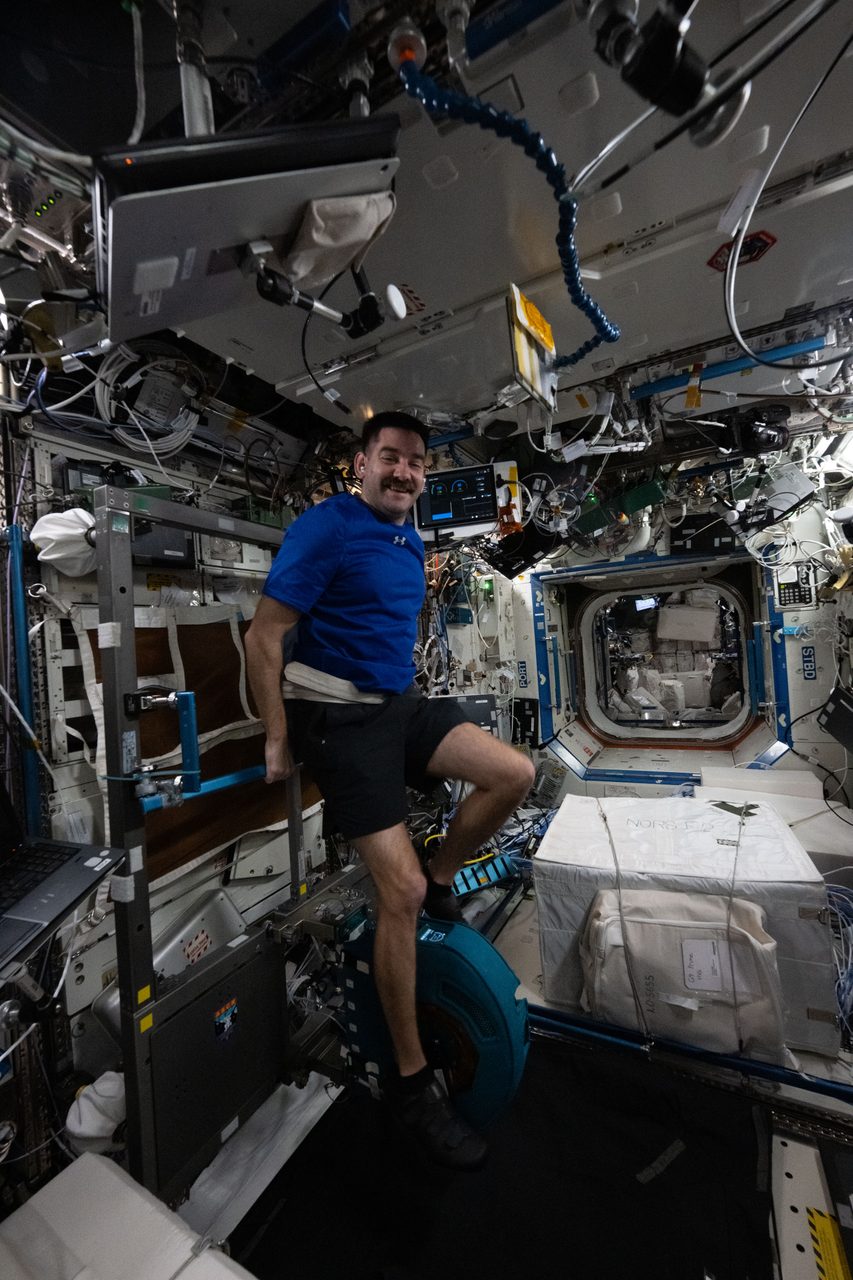
This week in orbit saw a rich tapestry of scientific insights and celestial events. A significant development was Japan's Hayabusa2 achieving the first-ever laser ranging experiment with an asteroid, marking a milestone in space exploration.
NASA and Roscosmos Extend Seat Barter Deal Amid Close Satellite Encounters
NASA and Roscosmos have extended their seat barter agreement, while recent close satellite encounters underscore the growing congestion in orbit.
9,996 active Starlinks: Orbital Briefing, 28 October 2026
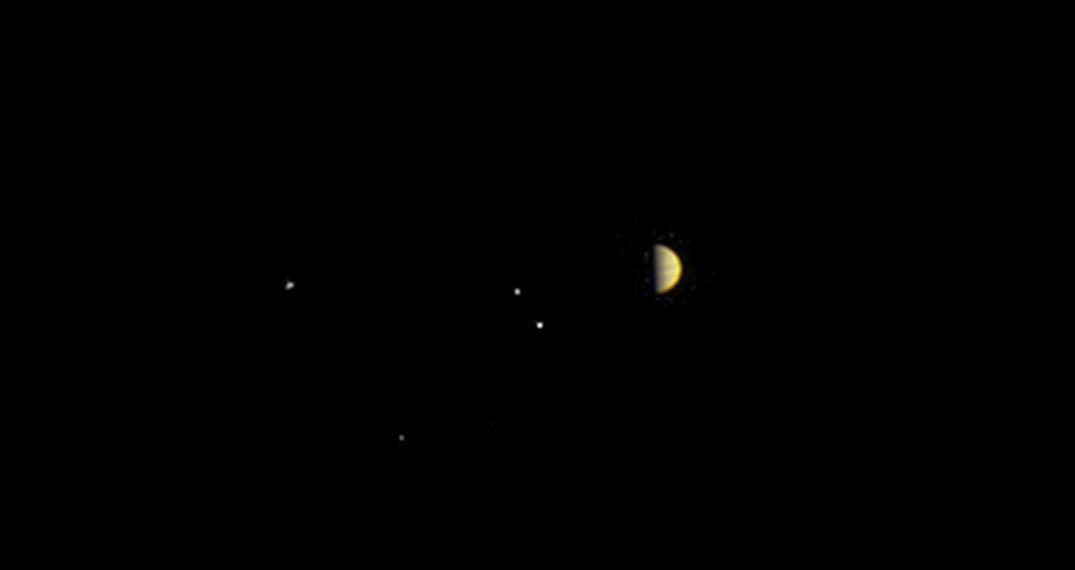
Starlink has 9,996 operational satellites following another successful Falcon 9 mission. Meanwhile, geomagnetic conditions are quiet ahead of SpaceX and ISRO launches.
NASA vs ESA vs CNSA: How the Space Agencies Compare
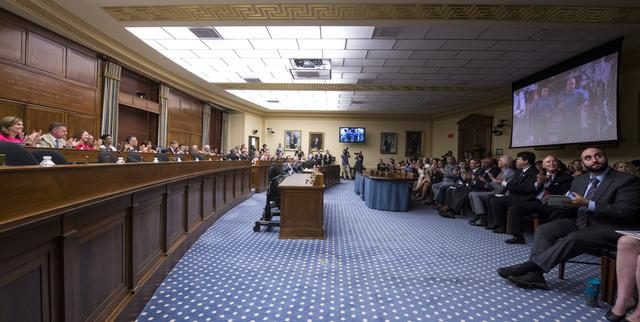
NASA, ESA and CNSA represent different ways of organising space exploration. Their budgets, responsibilities and partnerships matter more than a simple ranking.
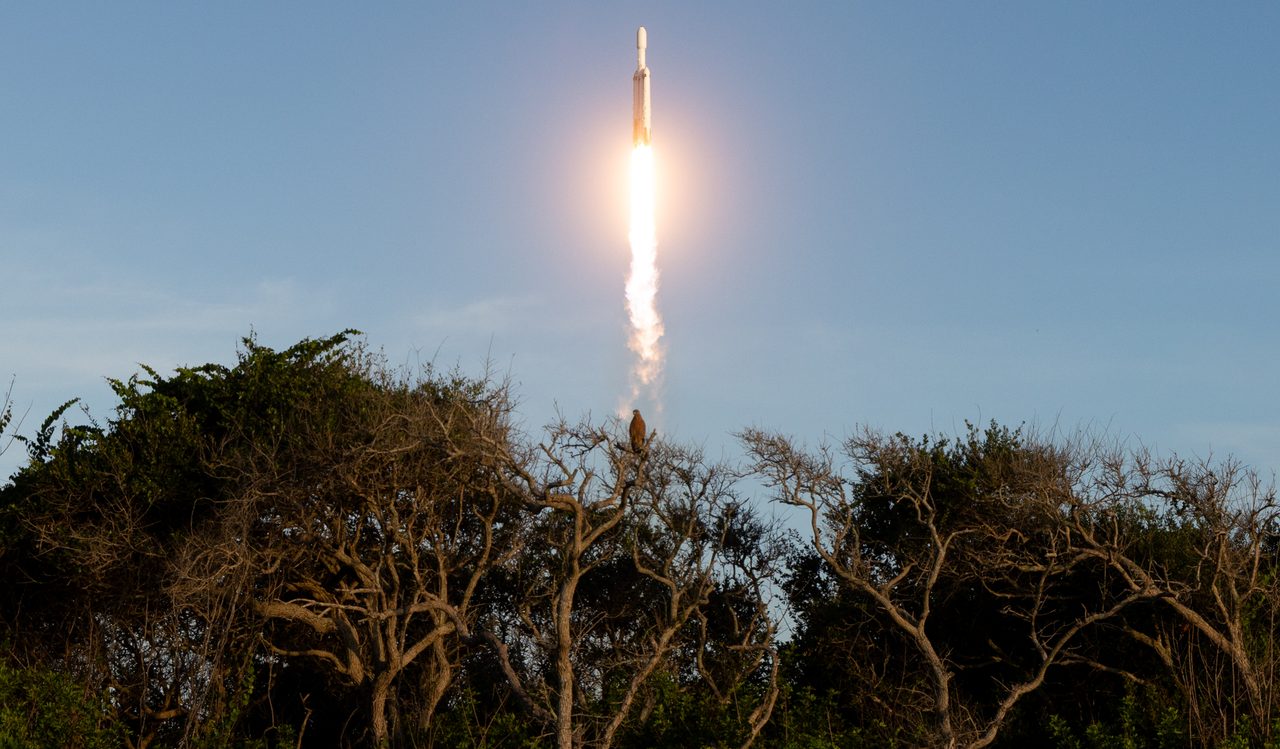
Roman Space Telescope: A New Eye on the Universe
The Nancy Grace Roman Space Telescope, launched aboard a SpaceX Falcon Heavy, promises to enhance our understanding of the universe by observing supernovas and exoplanets.
Meteor's Brief Dance with the Lacerta Nebula
A meteor briefly illuminates the Lacerta Nebula, offering a glimpse into its composition and the atmospheric effects of meteoroids.
Gaia: ESA’s billion-star surveyor beyond Earth
Gaia stopped observing in January 2025, but its measurements of stellar positions, distances and motions remain a foundation for mapping the Milky Way.