Space News Mission Log — Satellite Launches, Orbital Events & Analysis
Daily space news, satellite launch reports, orbital debris analysis and weekly roundups — grounded in live tracking data from our network monitoring 292 published reports.
SpaceX AI Satellites: Pioneering Autonomous Space Operations
SpaceX's AI satellites are revolutionising autonomous space operations by enhancing satellite communication and navigation capabilities.
Space Agencies List: Who Runs the World's Space Programmes?
NASA, ESA and CNSA are part of a much wider network of space organisations. Explore who runs national programmes, how responsibilities differ and where private companies fit.
NASA vs ESA vs CNSA: How the Space Agencies Compare
NASA, ESA and CNSA represent different ways of organising space exploration. Their budgets, responsibilities and partnerships matter more than a simple ranking.
How Many Satellites in Orbit? Counts, Types and Tracking
Earth has 15,870 active satellites, but the wider catalogue includes debris and inactive spacecraft. Here is what the counts mean and how to explore them.
Who Tracks Space Debris? Inside the Global Network
Military surveillance networks, civilian agencies and commercial firms share the task of tracking space debris. Here is how their observations become collision warnings.
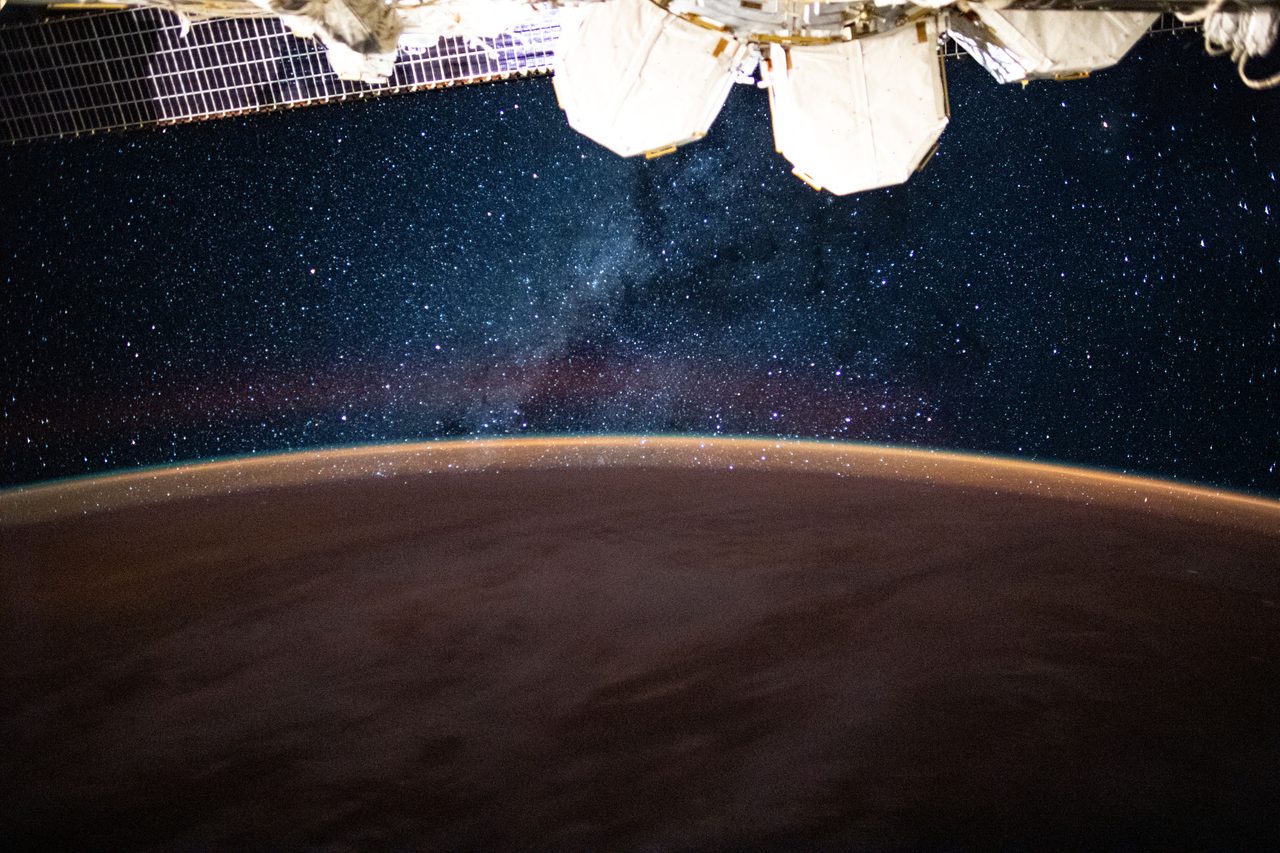
Space Sustainability: Ensuring the Future of Orbital Operations
Space sustainability involves managing the growing number of satellites and debris to ensure long-term usability of Earth's orbits.
Graveyard Orbits: The Final Resting Place for Satellites
Graveyard orbits are designated areas where decommissioned satellites are moved to prevent space debris and ensure safer operations.
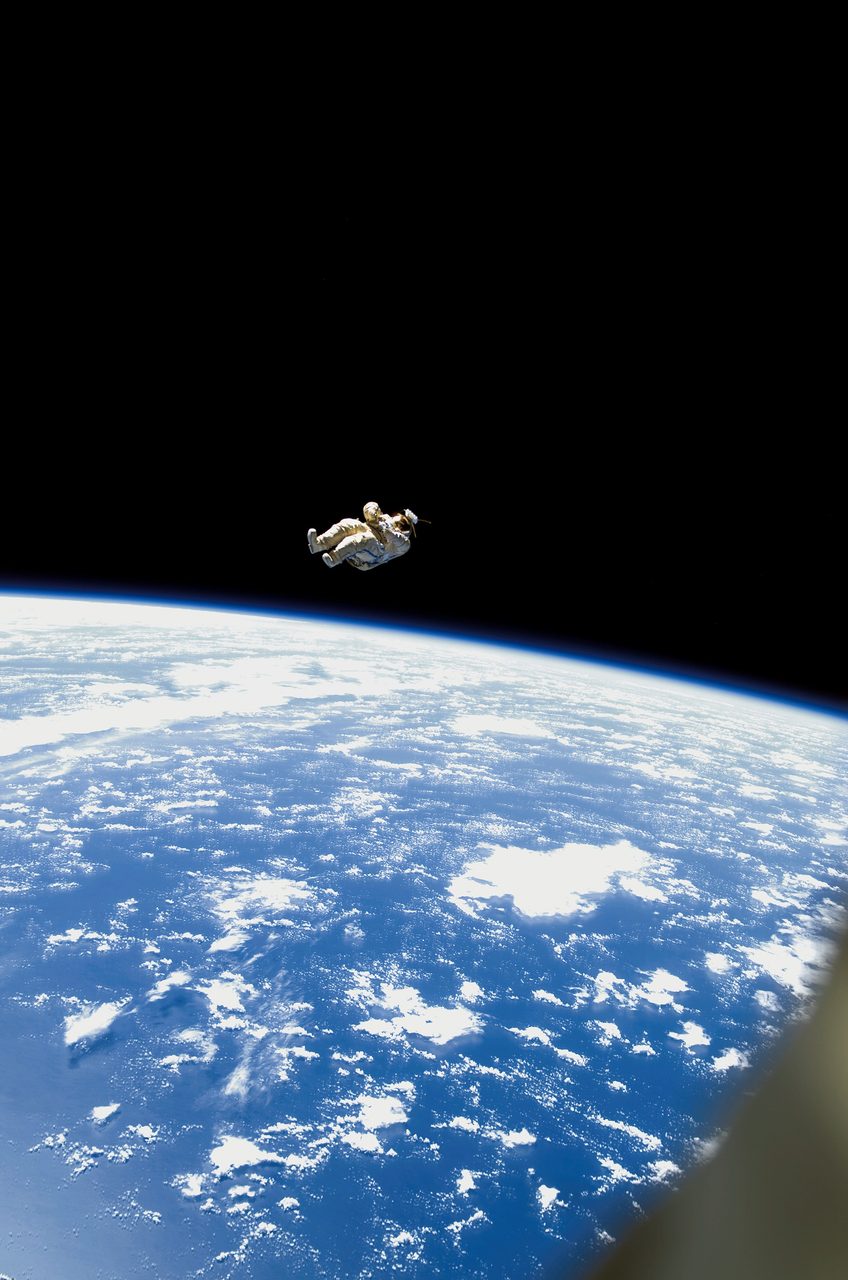
How Many Starlink Satellites Fall Each Day?
1.5 Starlink satellites re-enter Earth's atmosphere each day, according to Orbital Radar data. Explore the reasons behind these controlled re-entries.
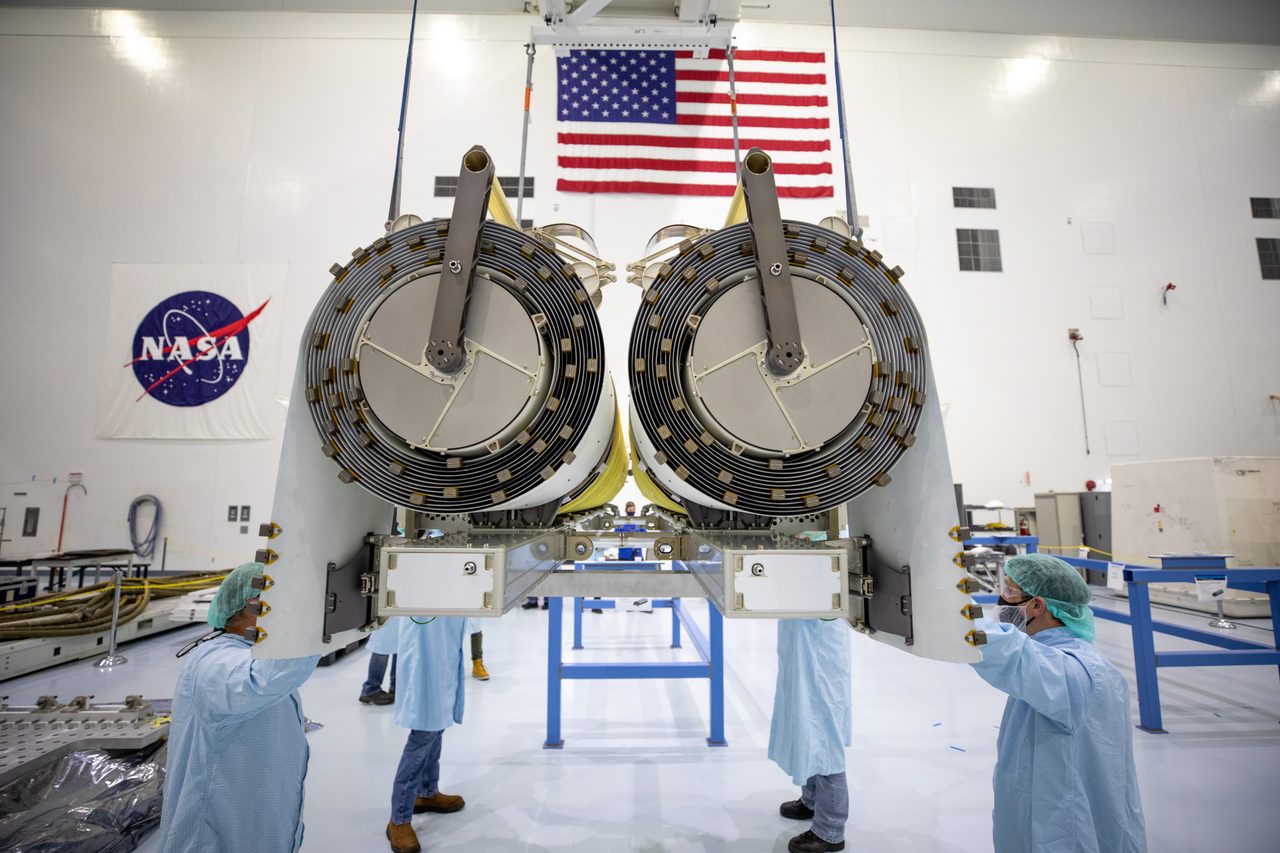
How Do Satellites Get Power? Solar, Batteries and Nuclear
Most satellites turn sunlight into electricity and use batteries in darkness. Explore how spacecraft generate, store and ration power, from Earth orbit to deep space.
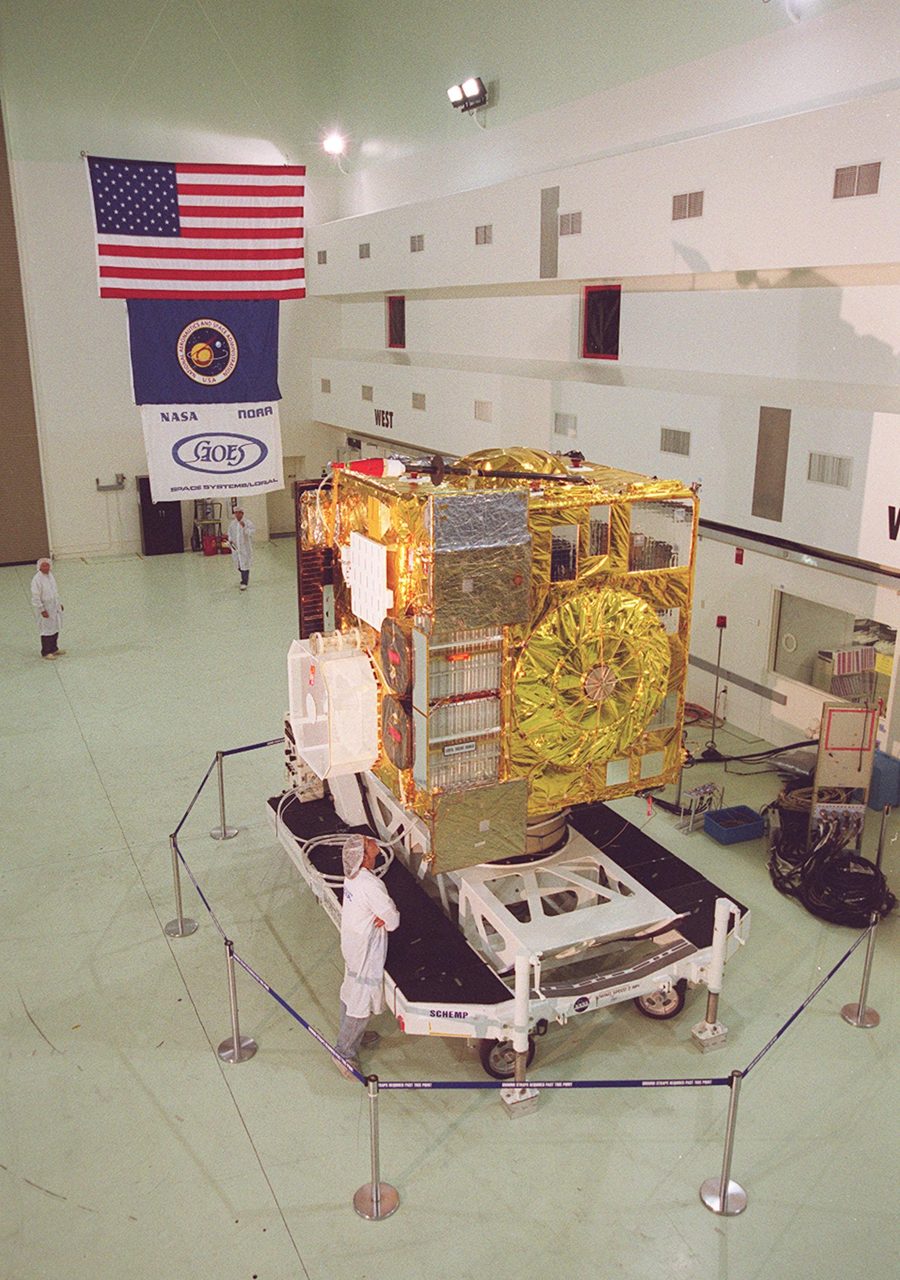
GOES-19: the weather watch at 35,786 kilometres
Operating as GOES East since April 2025, GOES-19 watches Atlantic hurricanes, American thunderstorms and solar activity from a near-fixed position above the equator.

How Solar Cycles Affect Satellite Operations
Solar cycles influence satellite operations by affecting space weather, which can disrupt communications and increase orbital decay.
Space Tourism Cost: Prices, Providers and Who Can Go
Space tourism costs hundreds of thousands of dollars for suborbital trips and tens of millions for orbital stays. The price depends on the flight, provider and package.