Space News Mission Log — Satellite Launches, Orbital Events & Analysis
Daily space news, satellite launch reports, orbital debris analysis and weekly roundups — grounded in live tracking data from our network monitoring 43 published reports.
Parts of a Satellite: Systems That Keep It Working
Discover the key components and systems inside a satellite that ensure its operation in space, including power, thermal control, and communication.
Gaia: ESA’s billion-star surveyor beyond Earth
Gaia stopped observing in January 2025, but its measurements of stellar positions, distances and motions remain a foundation for mapping the Milky Way.
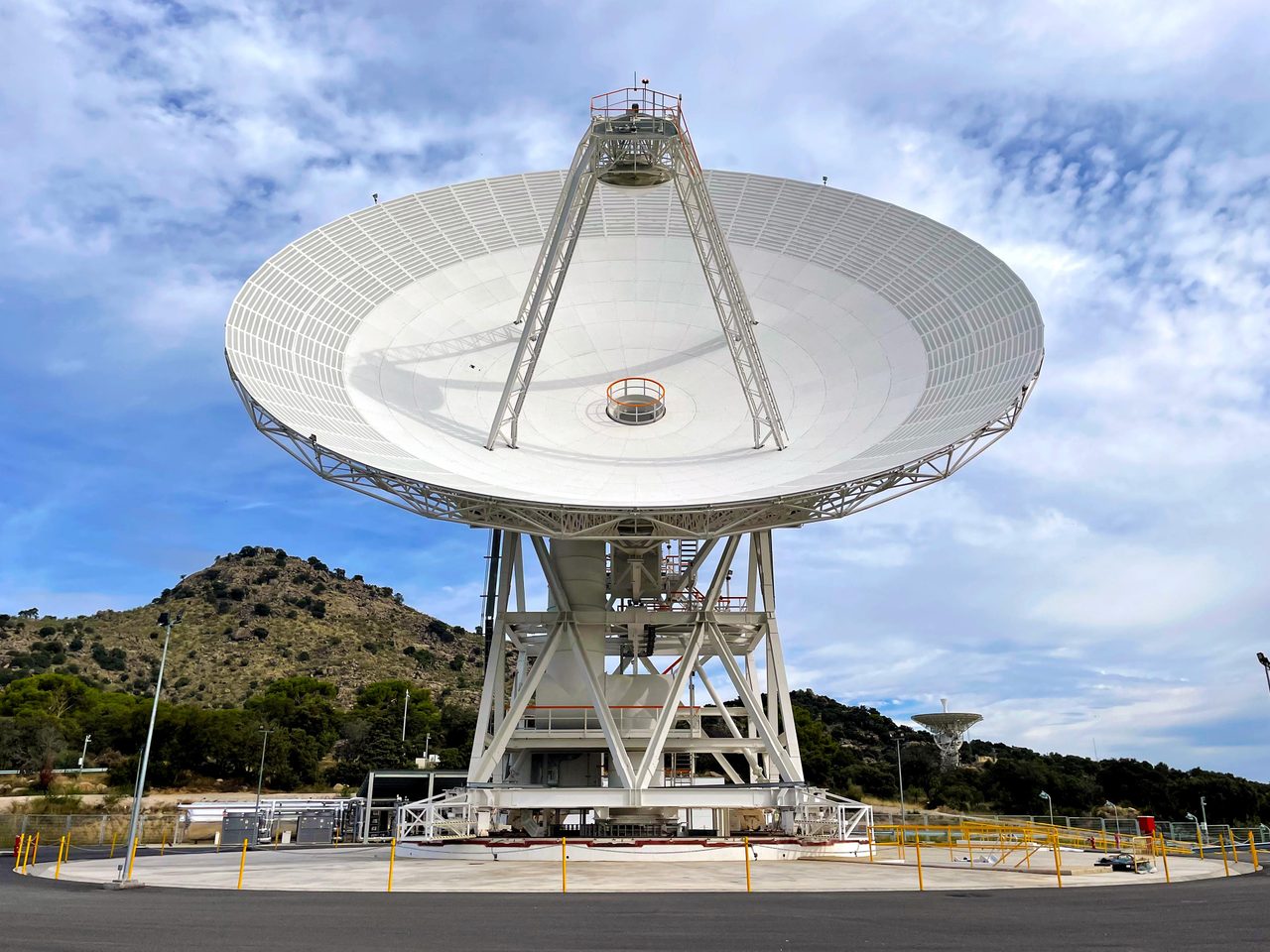
How Do We Communicate With Voyager Across Deep Space?
Voyager communicates through faint radio signals collected by NASA’s Deep Space Network. Here is how giant dishes recover its messages across billions of kilometres.
Sun-Synchronous Orbit: How Satellites Keep Consistent Light
Sun-synchronous satellites use Earth's equatorial bulge to keep a consistent solar schedule. Learn how the orbit works, why imaging missions use it and what it cannot guarantee.
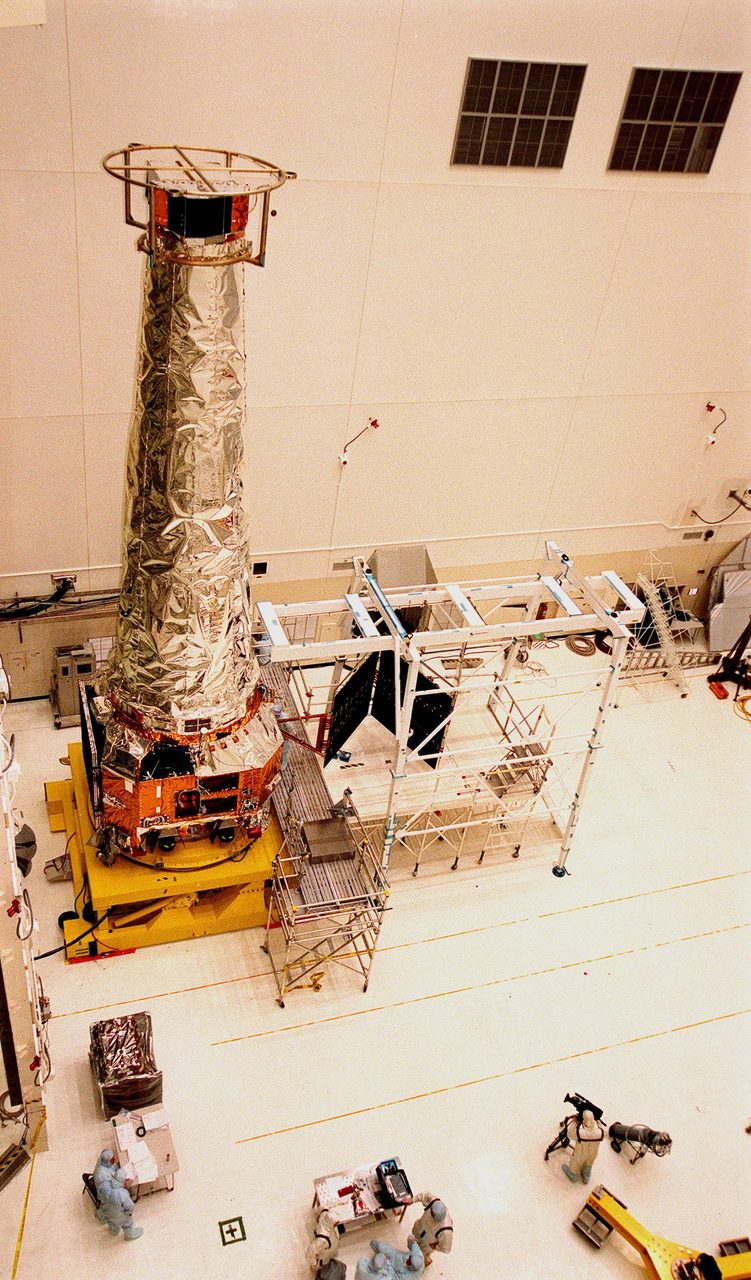
Chandra X-ray Observatory: the universe in high energy
NASA’s Chandra X-ray Observatory reveals black holes, exploding stars and hot intergalactic gas through exceptionally sharp X-ray images, observing from an elongated orbit far above Earth.
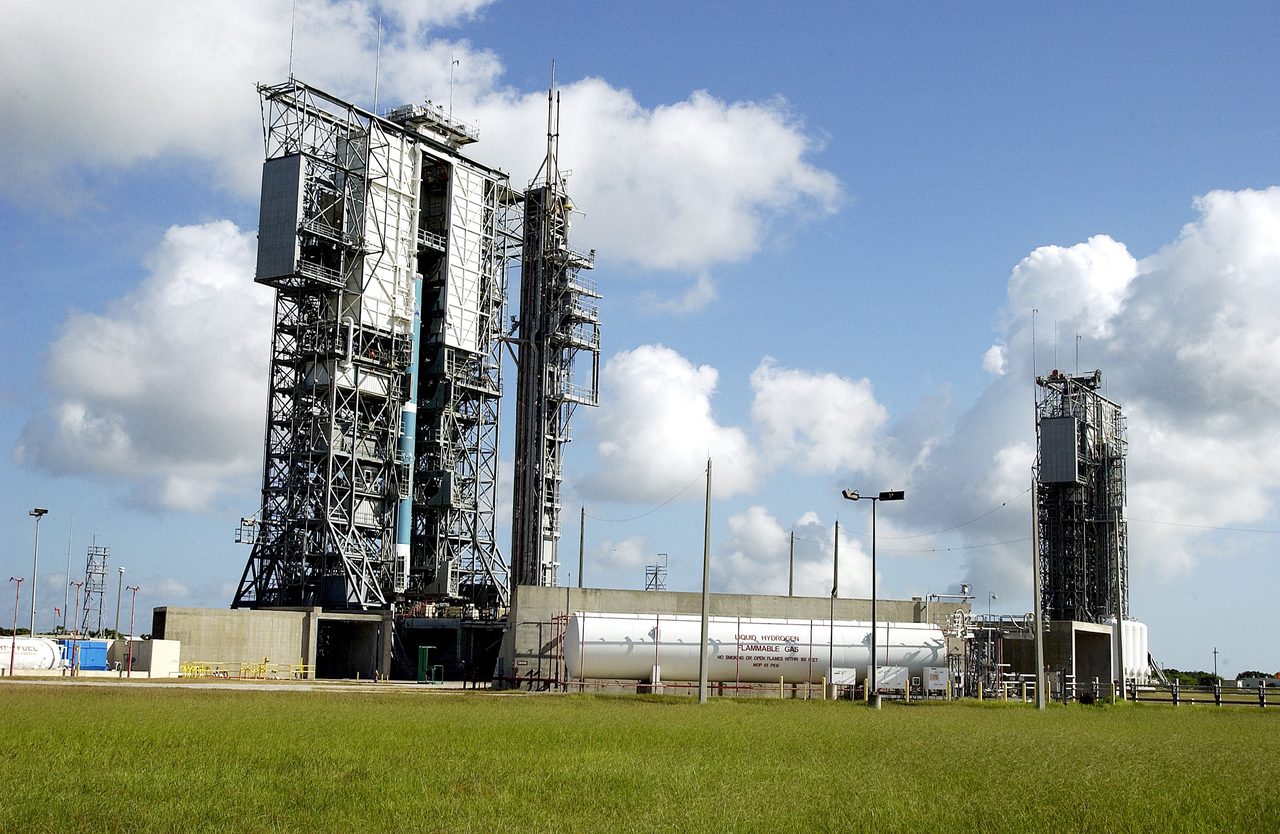
Why Do Rocket Launches Get Scrubbed? Delays Explained
Rocket launches are scrubbed when weather, hardware or flight-safety conditions prevent a safe departure. Here is what causes delays and what determines the next attempt.
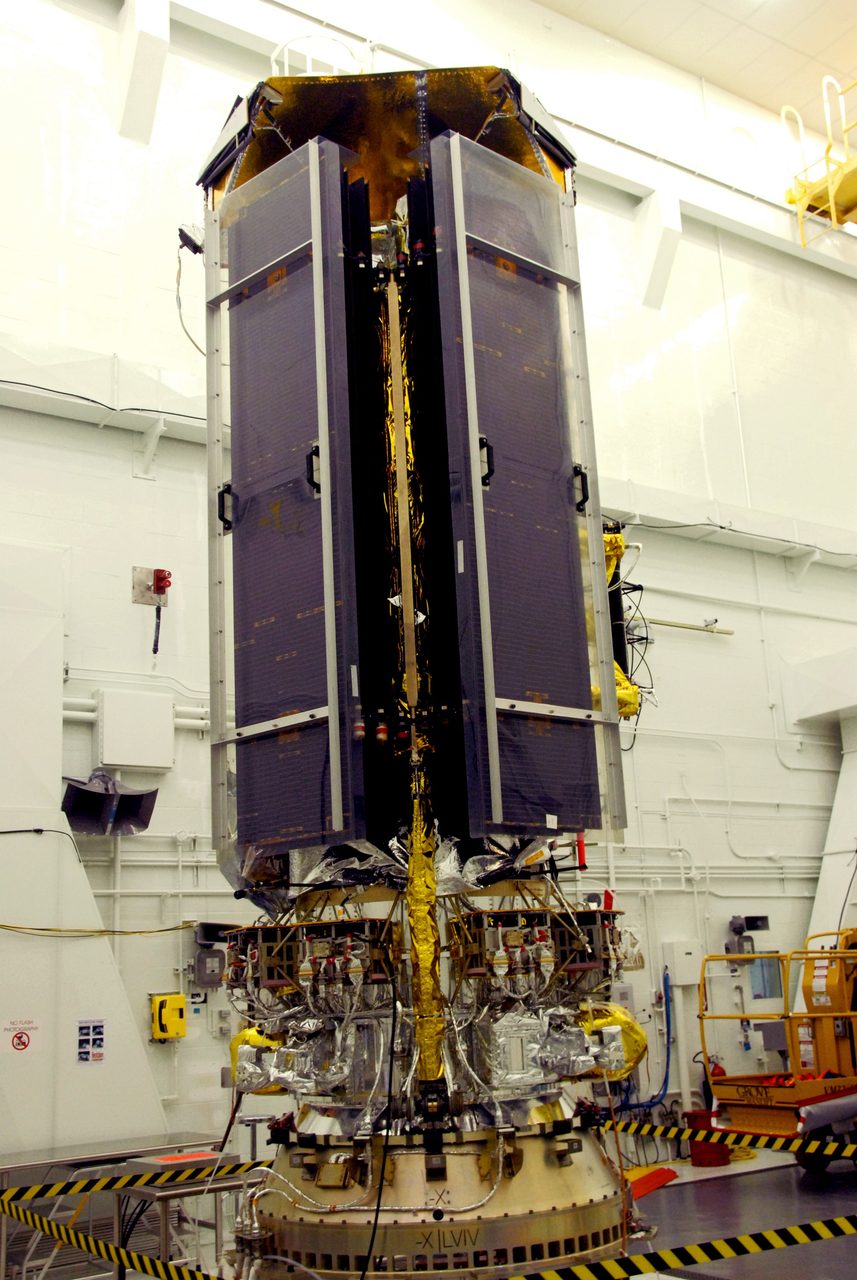
NOAA-19: the last of the POES weather satellites
Launched in 2009, NOAA-19 completed an American weather-satellite series that helped turn polar-orbiting observations into everyday forecasts. Its retirement closed a chapter, but its measurements remain part of the environmental record.

Satellite Servicing in Orbit: Refuelling and Repair
Docking can keep a satellite working after its own fuel runs low. Explore how orbital servicing works, what refuelling requires and which manoeuvres observers can identify.
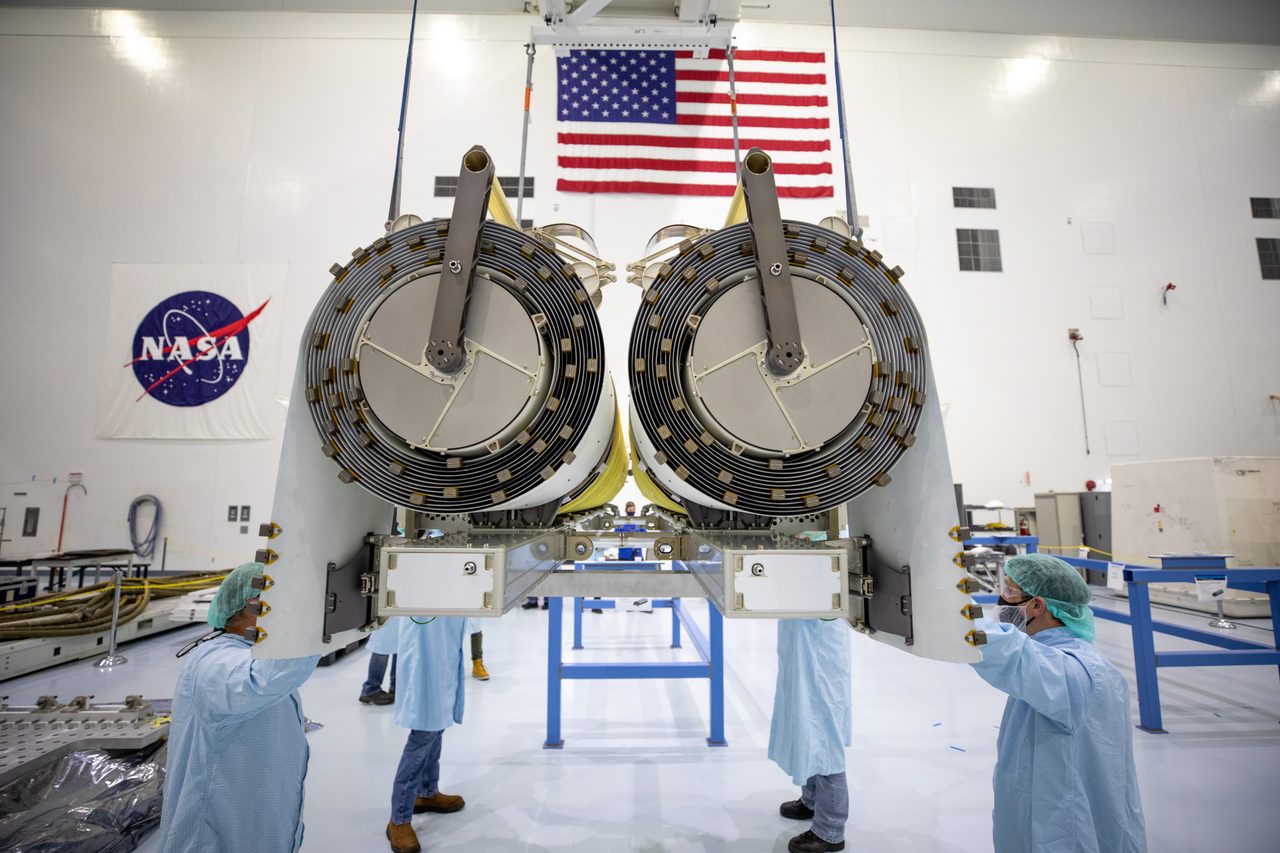
How Do Satellites Get Power? Solar, Batteries and Nuclear
Most satellites turn sunlight into electricity and use batteries in darkness. Explore how spacecraft generate, store and ration power, from Earth orbit to deep space.
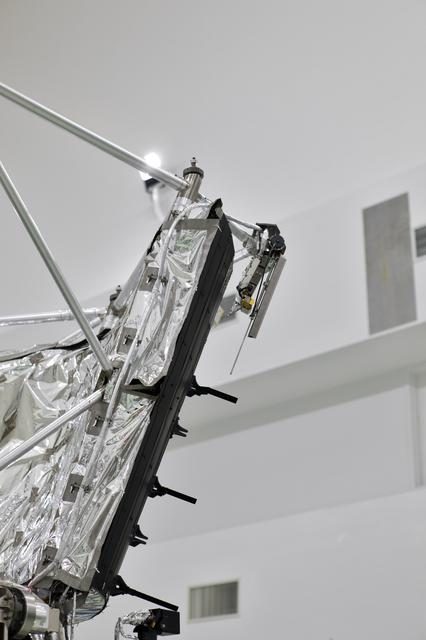
Parker Solar Probe: 6.1 Million Kilometres from the Sun
NASA’s Parker Solar Probe flies through the Sun’s outer atmosphere, using a carbon-composite shield and a carefully shaped orbit to investigate coronal heating and the solar wind.
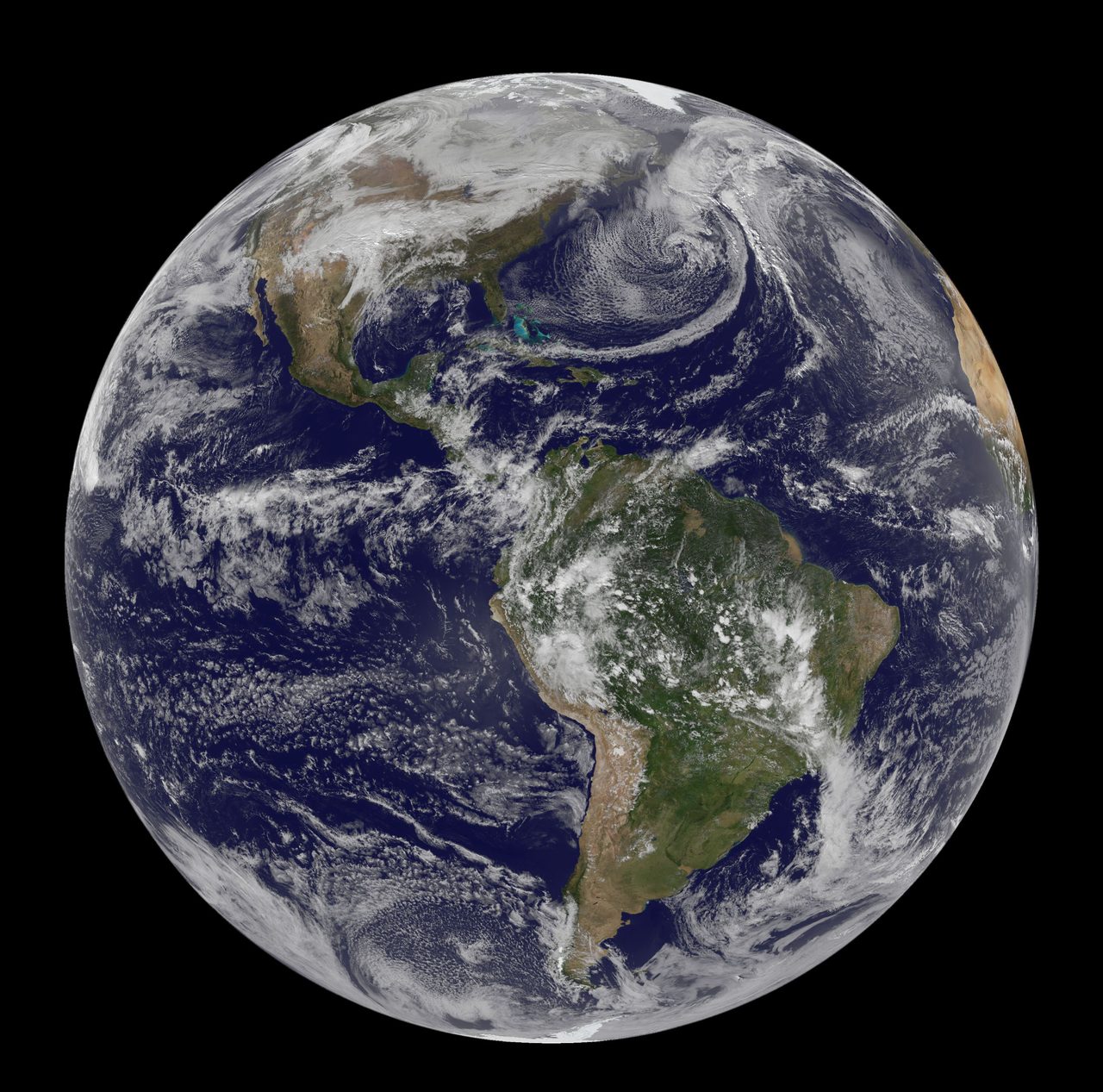
How Weather Satellites Work: A Complete Guide
Weather satellites monitor Earth's atmosphere and surface, providing crucial data for forecasting. Learn how they operate and impact our daily lives.
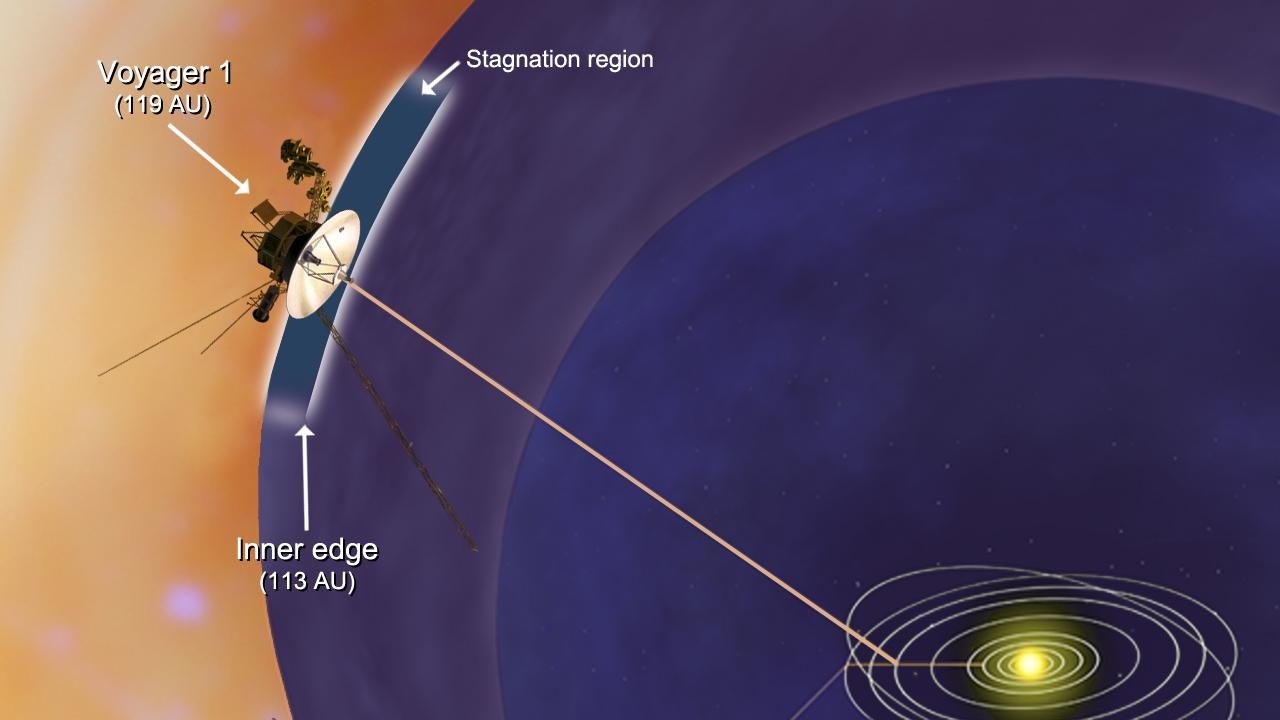
Voyager 1: humanity’s most distant spacecraft
Launched in 1977, Voyager 1 explored Jupiter and Saturn before becoming the first spacecraft to enter interstellar space. Its outward journey continues, although declining electrical power limits its scientific future.