Perseid Meteors Illuminate Swedish Skies
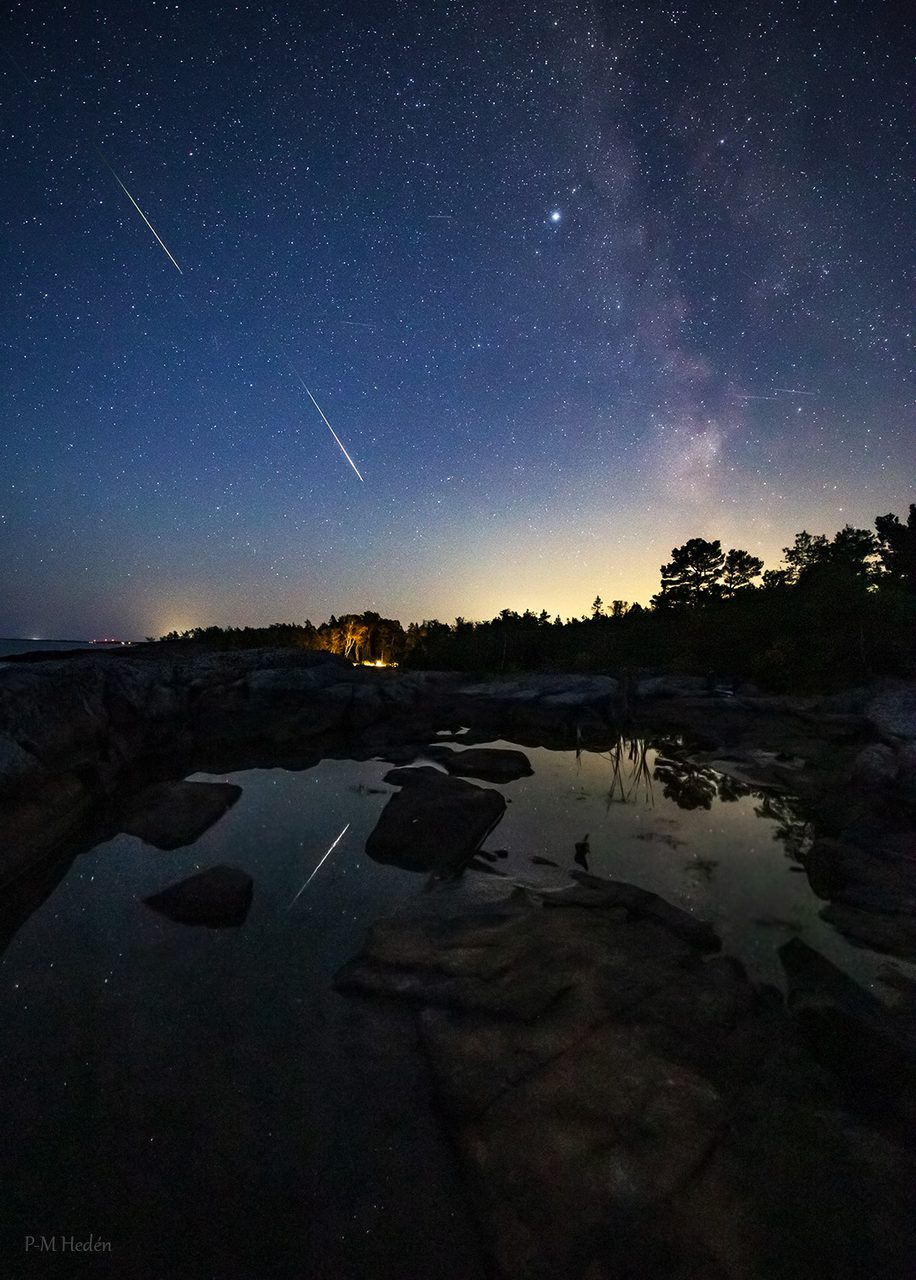
The Perseid meteor shower, visible from Sweden, offers a stunning display of cometary dust streaking through Earth's atmosphere.
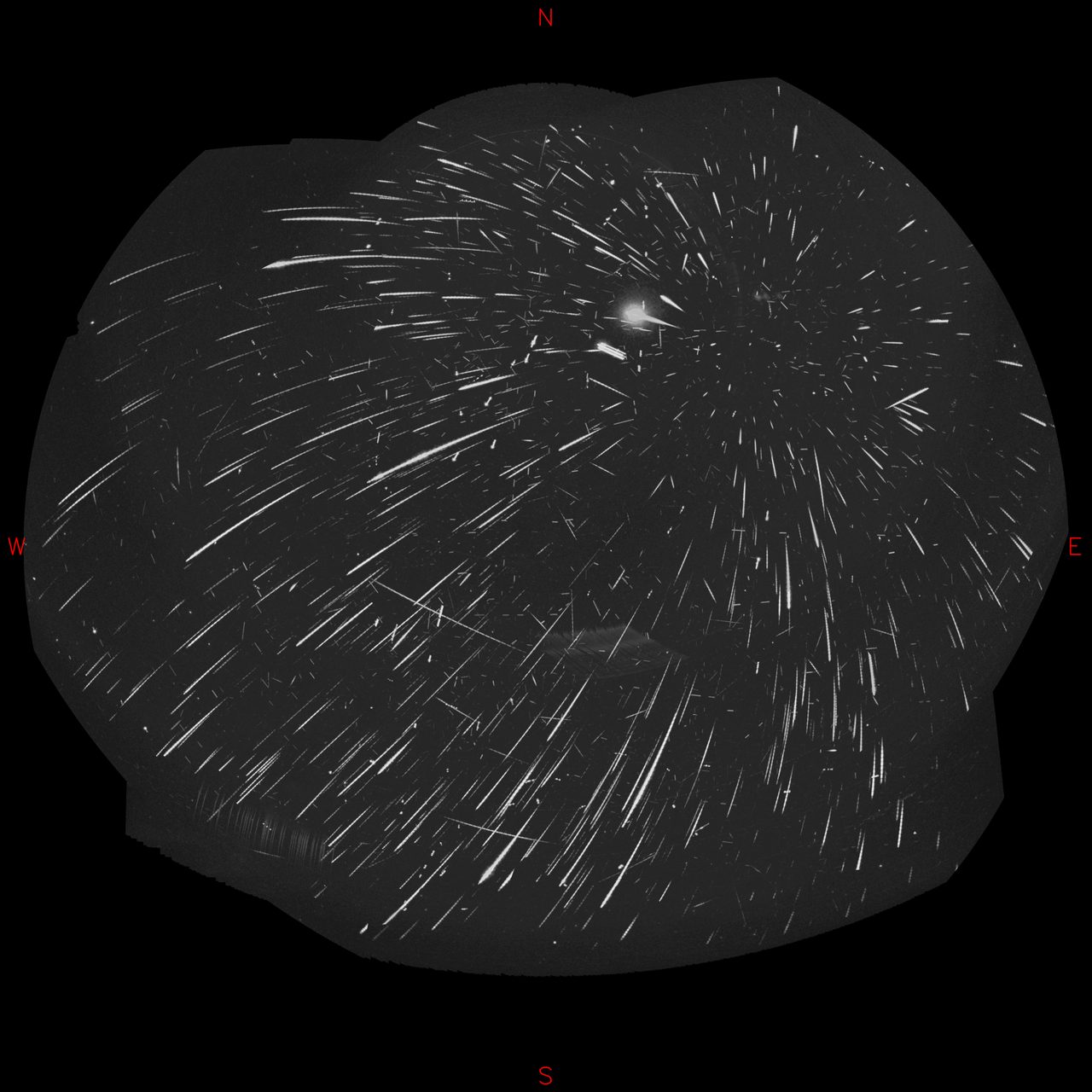
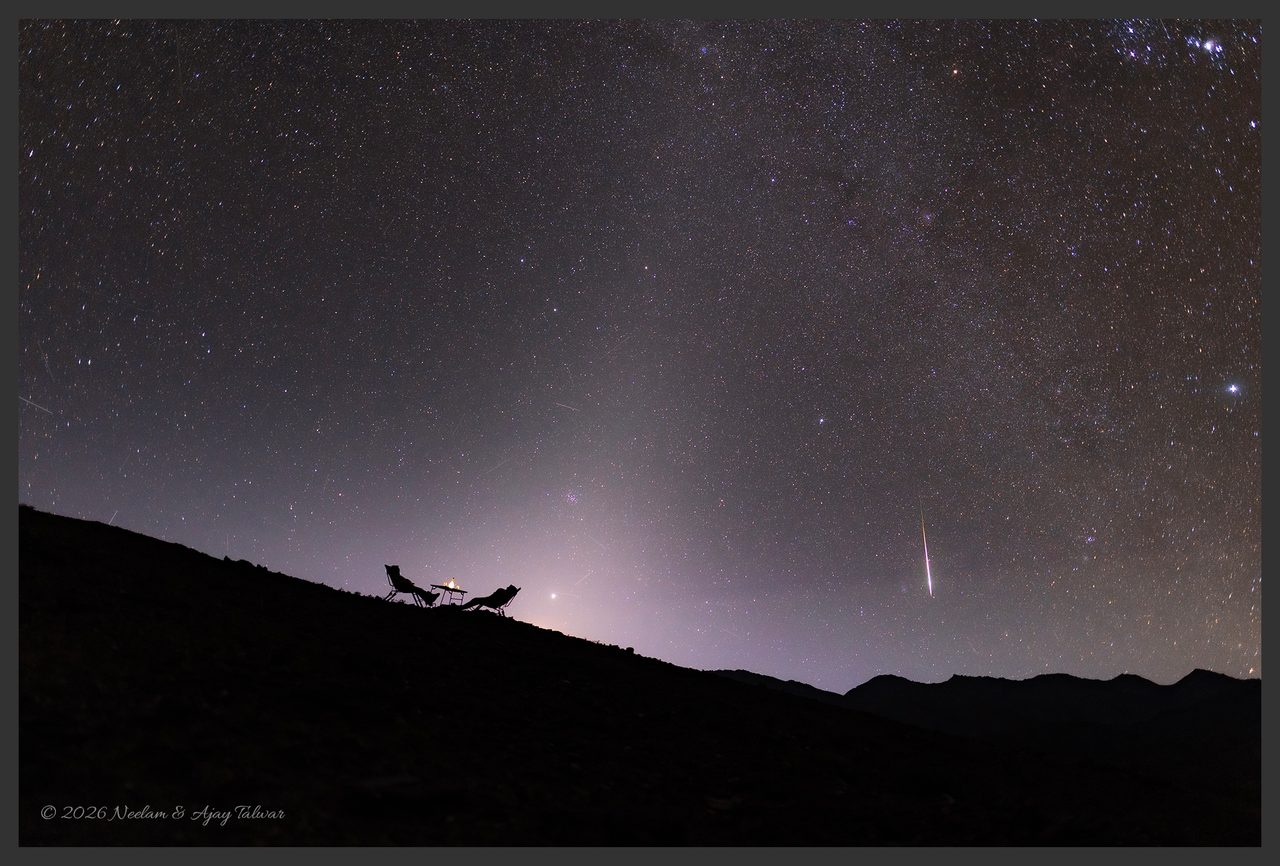
The Perseid Meteor Shower, a highlight of the northern summer sky, is captured beautifully in this image taken near Grisslehamn, Sweden. Each year, Earth passes through the debris trail of comet 109P/Swift-Tuttle, resulting in a cascade of bright meteors. These meteors, known for their speed and brightness, are seen streaking from the constellation Perseus, creating a celestial spectacle. This year's peak coincided with a New Moon, allowing the meteors to shine undiminished by moonlight, enhancing their visibility against the backdrop of the Milky Way.
The Perseids are not just a visual delight but also a reminder of our planet's dynamic interaction with the cosmos. As Earth orbits the Sun, it encounters various streams of cometary debris, each producing its own meteor shower. These events provide valuable data on the composition of comets and the history of our solar system. The grains of dust from Swift-Tuttle, travelling at speeds of up to 59 kilometres per second, vaporise upon entering Earth's atmosphere, creating the bright streaks observed.
For those eager to witness this annual event, planning is essential. The Perseids are best viewed in the pre-dawn hours, away from city lights. Using tools like the Orbital Radar pass predictor can help identify optimal viewing times and locations, ensuring an unobstructed view of the night sky.
Frequently Asked Questions
What causes the Perseid Meteor Shower?
When is the best time to view the Perseids?
📎 Cite this article
Orbital Radar Newsroom. (2026). Perseid Meteors Illuminate Swedish Skies. Orbital Radar. https://orbitalradar.com/blog/cosmic-gallery-2026-08-15"Perseid Meteors Illuminate Swedish Skies." Orbital Radar, 16 August 2026, https://orbitalradar.com/blog/cosmic-gallery-2026-08-15.@misc{orbitalradar_cosmic_gallery_2026_08_15,
title = {Perseid Meteors Illuminate Swedish Skies},
author = {{Orbital Radar}},
year = {2026},
howpublished = {\url{https://orbitalradar.com/blog/cosmic-gallery-2026-08-15}}
}