Cassini's Grand Tour: Saturn's Majesty Unveiled
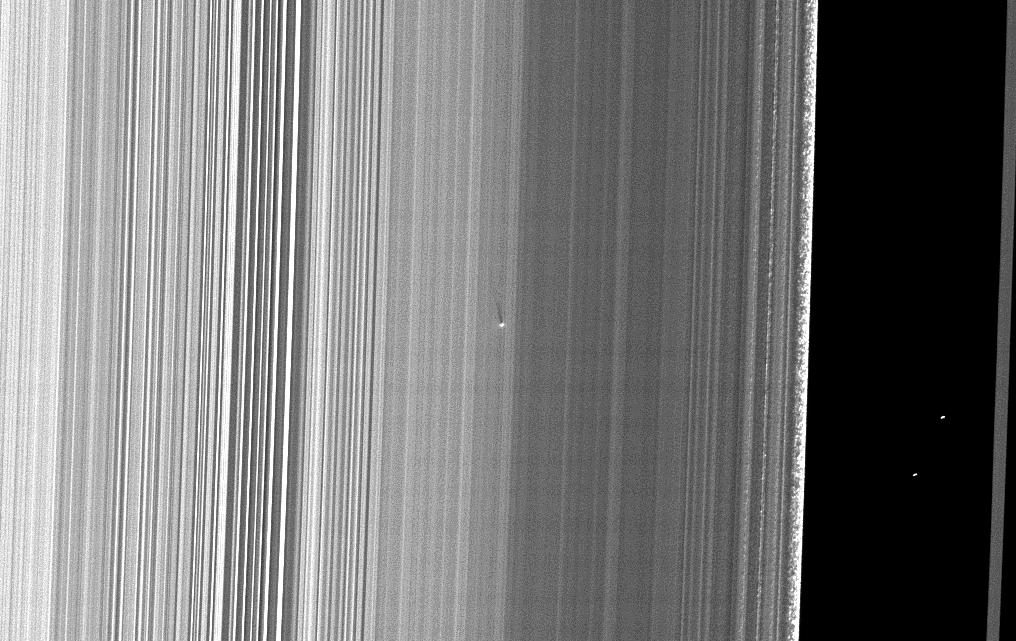
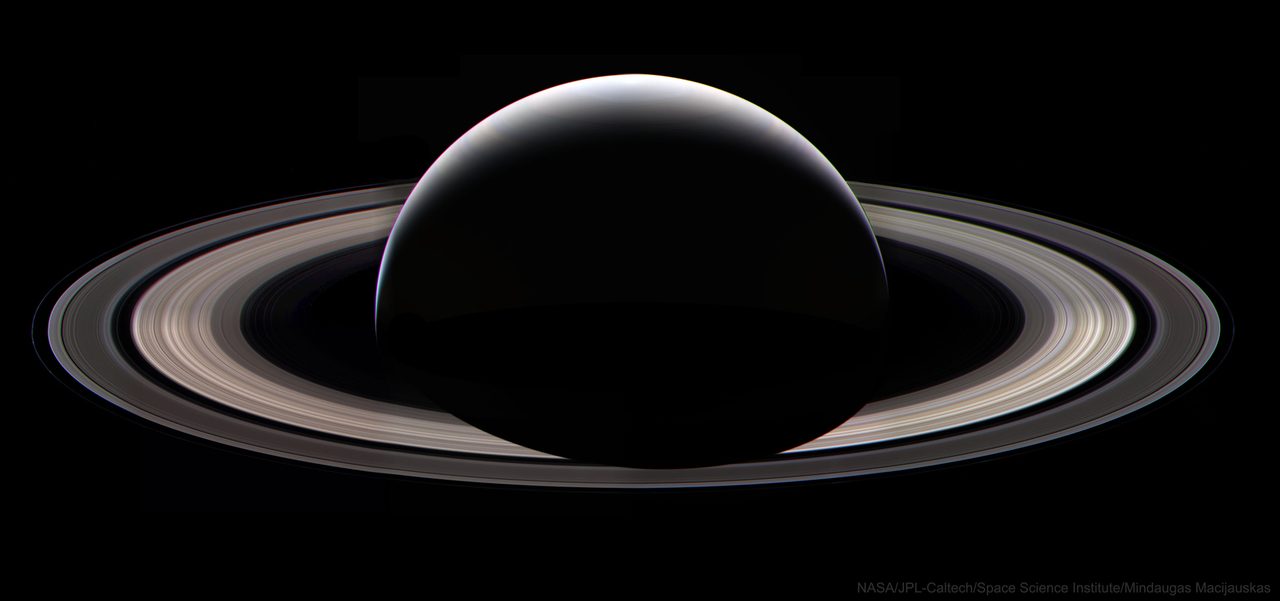
Cassini's approach to Saturn offers a stunning view of the planet, its rings, and moons, revealing the grandeur of the gas giant.
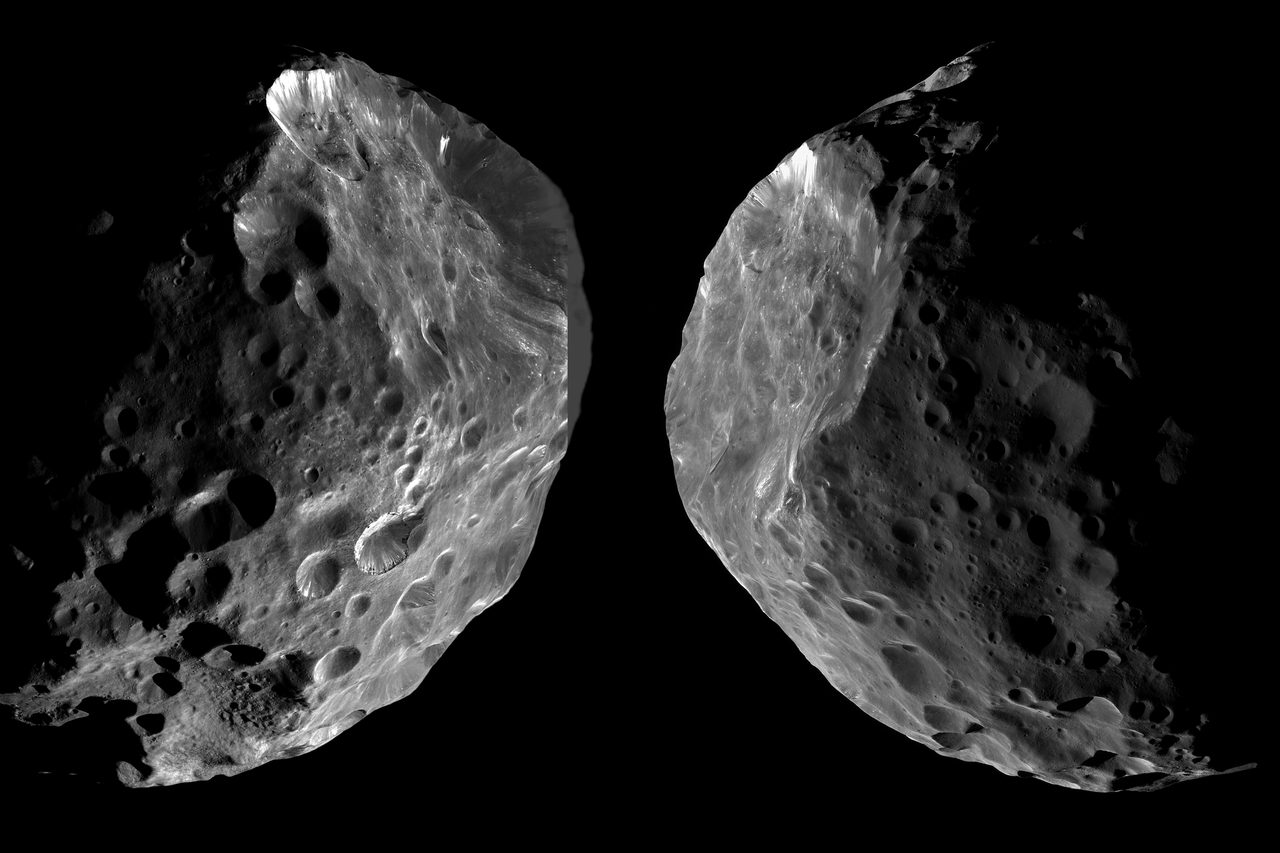
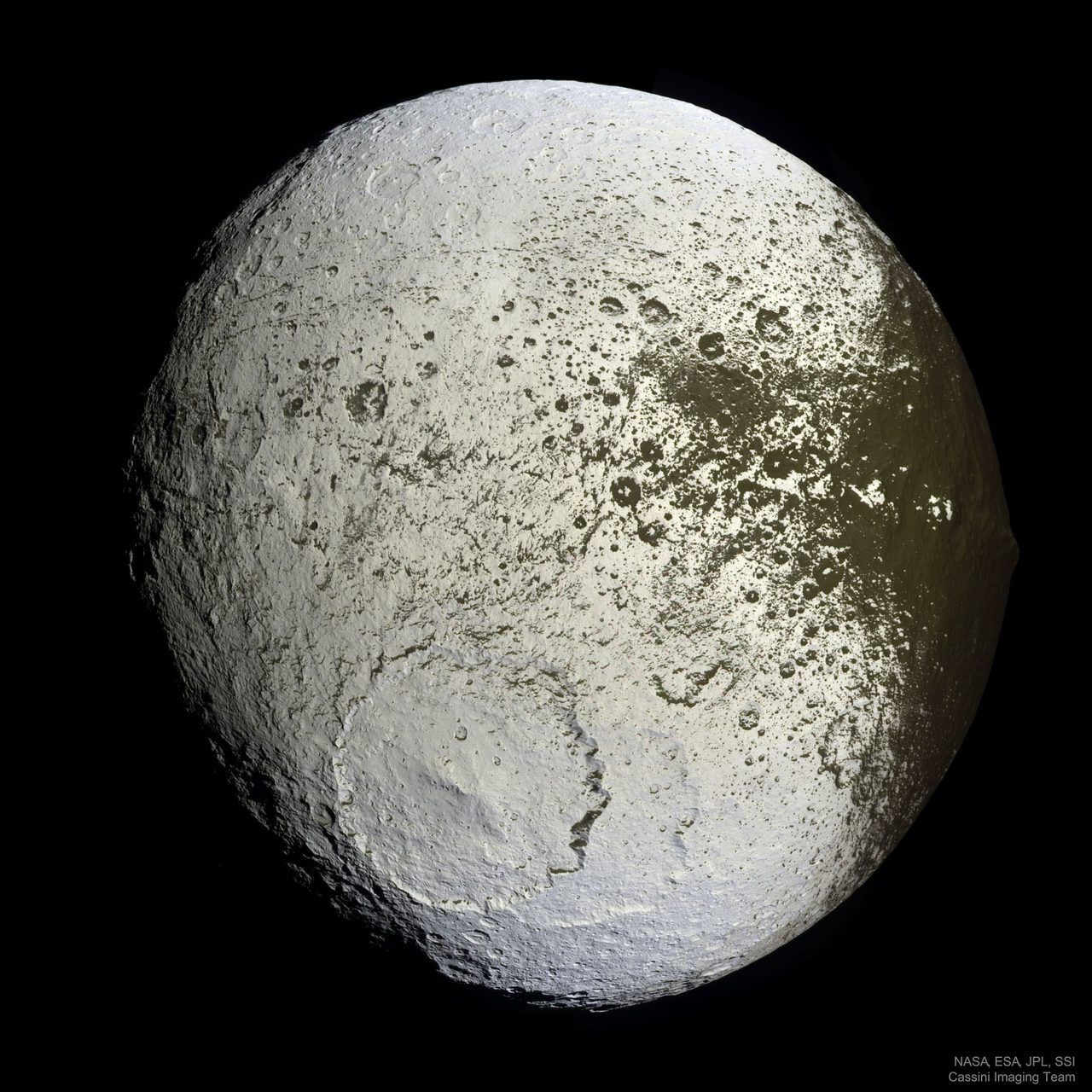
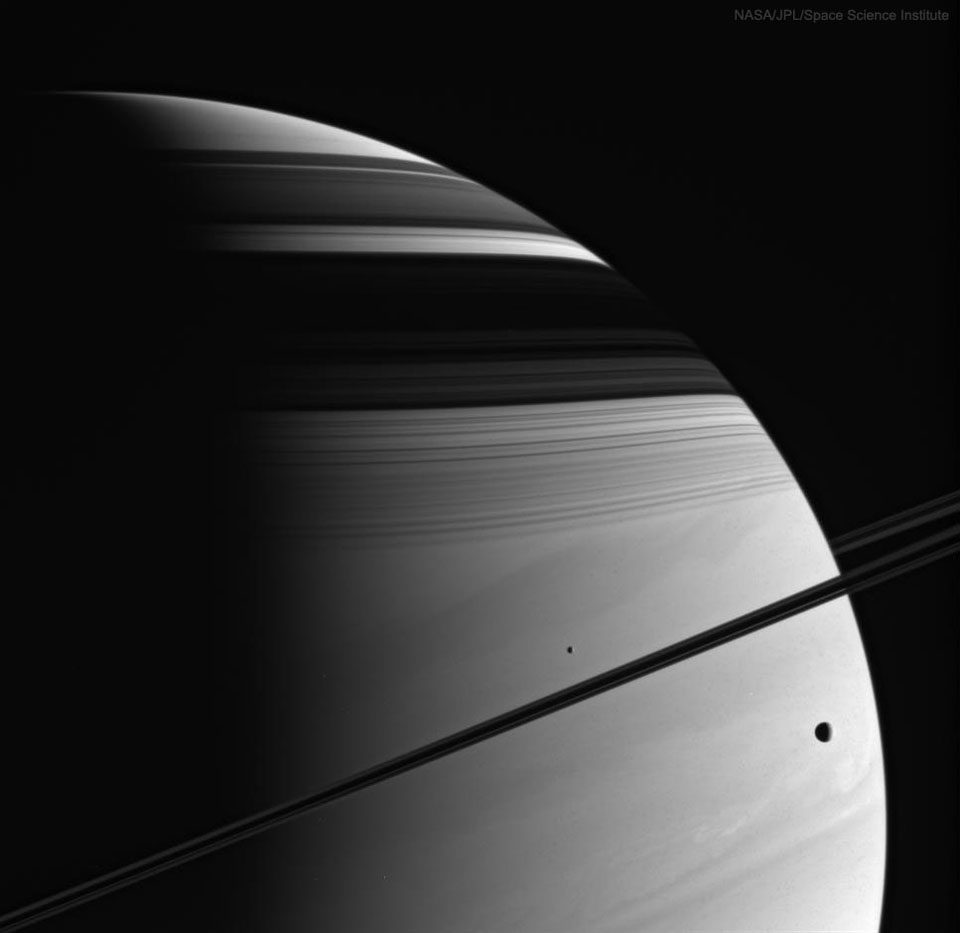
The Cassini spacecraft's approach to Saturn in 2004 remains one of the most visually stunning achievements in space exploration. Capturing thousands of images, Cassini revealed the intricate beauty of Saturn's rings and its enigmatic moons. The spacecraft's journey, immortalised in a video project, showcases the planet's grandeur as it looms larger with each frame, accompanied by the cloudy Titan and the cratered Mimas. As Cassini crossed the ring plane, the shadows cast on Saturn itself added a dramatic touch to this celestial ballet.
Saturn's Rings and Moons: A Closer Look
Saturn's rings, composed primarily of ice particles, rock debris, and dust, offer a unique opportunity to study the dynamics of planetary ring systems. Cassini's observations have provided insights into their structure and the gravitational interactions with Saturn's moons, such as Enceladus, known for its ice geysers. Understanding these interactions helps scientists unravel the history and evolution of the Saturnian system. The mission's data continues to inform current research, with findings accessible through the Satellite Library.
Observing Saturn from Earth
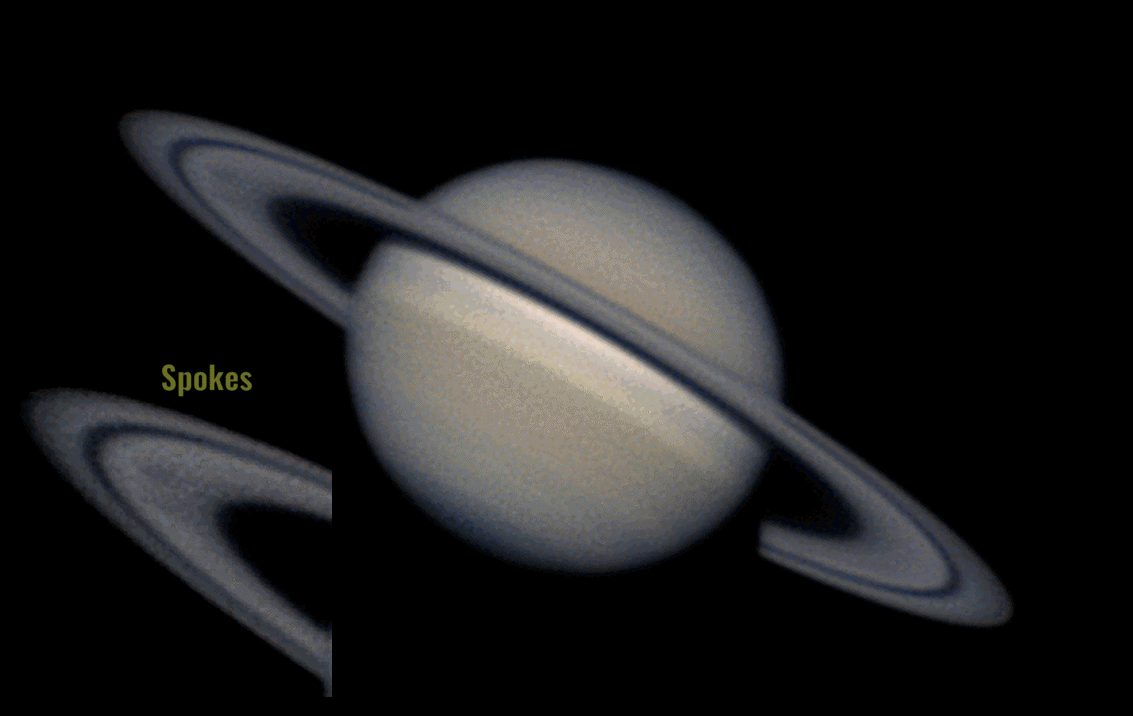
While Cassini has completed its mission, Saturn remains a captivating target for amateur astronomers. With a telescope, the planet's rings can be observed from Earth, especially during opposition when Saturn is closest to our planet. For those interested in tracking visible passes of satellites that study Saturn, the Pass Predictor offers valuable information.
Frequently Asked Questions
What did the Cassini mission discover about Saturn?
Why was Cassini's mission ended by entering Saturn's atmosphere?
📎 Cite this article
Orbital Radar Newsroom. (2026). Cassini's Grand Tour: Saturn's Majesty Unveiled. Orbital Radar. https://orbitalradar.com/blog/cosmic-gallery-2026-08-23"Cassini's Grand Tour: Saturn's Majesty Unveiled." Orbital Radar, 24 August 2026, https://orbitalradar.com/blog/cosmic-gallery-2026-08-23.@misc{orbitalradar_cosmic_gallery_2026_08_23,
title = {Cassini's Grand Tour: Saturn's Majesty Unveiled},
author = {{Orbital Radar}},
year = {2026},
howpublished = {\url{https://orbitalradar.com/blog/cosmic-gallery-2026-08-23}}
}