Space News Mission Log — Satellite Launches, Orbital Events & Analysis
Daily space news, satellite launch reports, orbital debris analysis and weekly roundups — grounded in live tracking data from our network monitoring 179 published reports.
Parts of a Satellite: Systems That Keep It Working
Discover the key components and systems inside a satellite that ensure its operation in space, including power, thermal control, and communication.
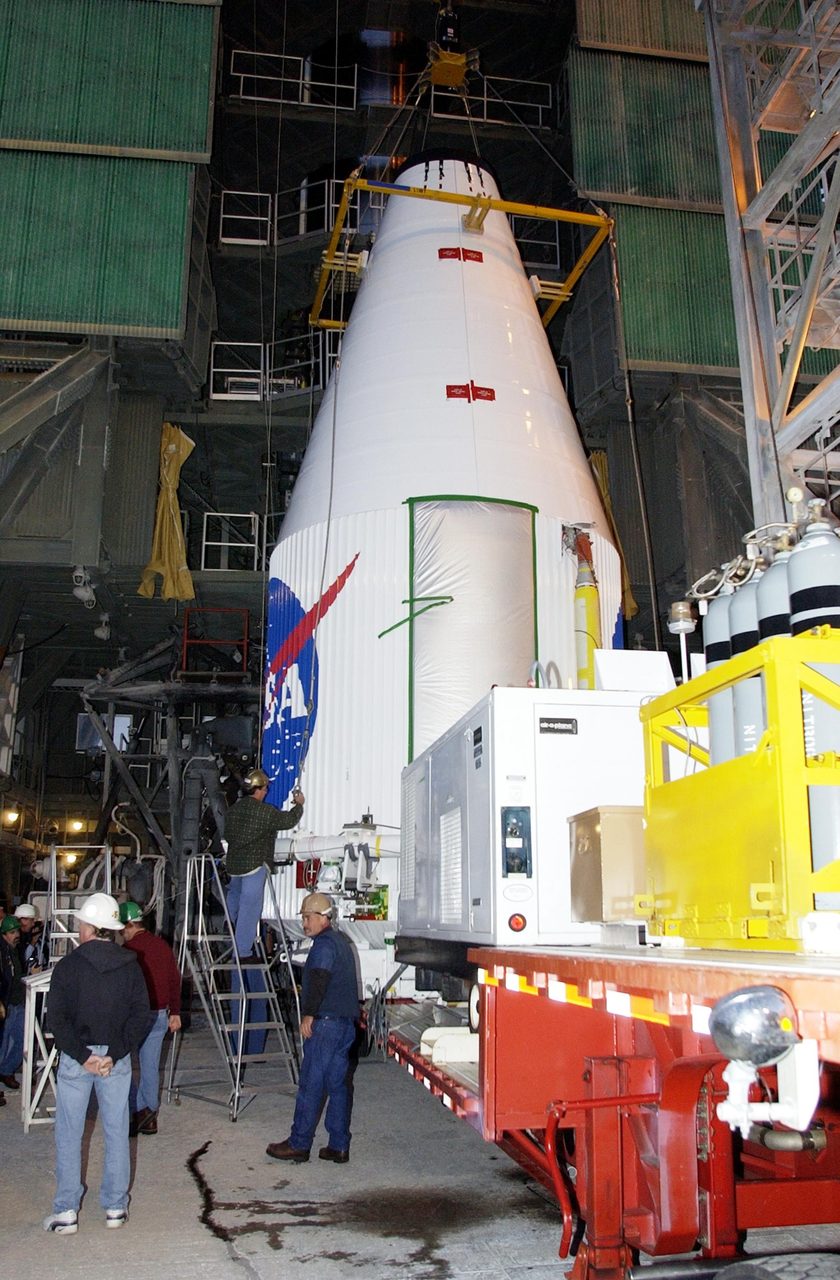
Satellite Ground Stations: The Backbone of Space Communication
Satellite ground stations are vital for receiving data from and sending commands to satellites, enabling global communication and navigation.
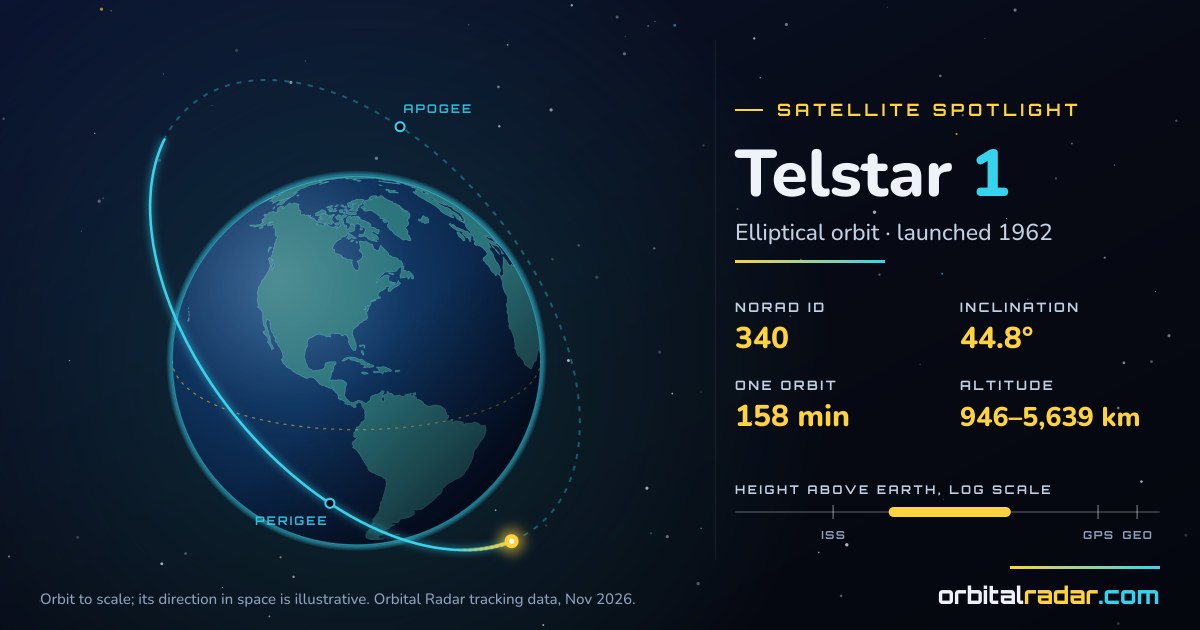
Telstar 1 satellite: live TV, failure and its orbit today
Telstar 1 helped bring live transatlantic television to life, then fell silent after radiation damage. Its working life ended, but the satellite remains in orbit.

Military Satellites: What They Do and How They Work
Military satellites support communications, navigation, intelligence and missile warning. Explore how they work, what they can detect and what public tracking reveals.
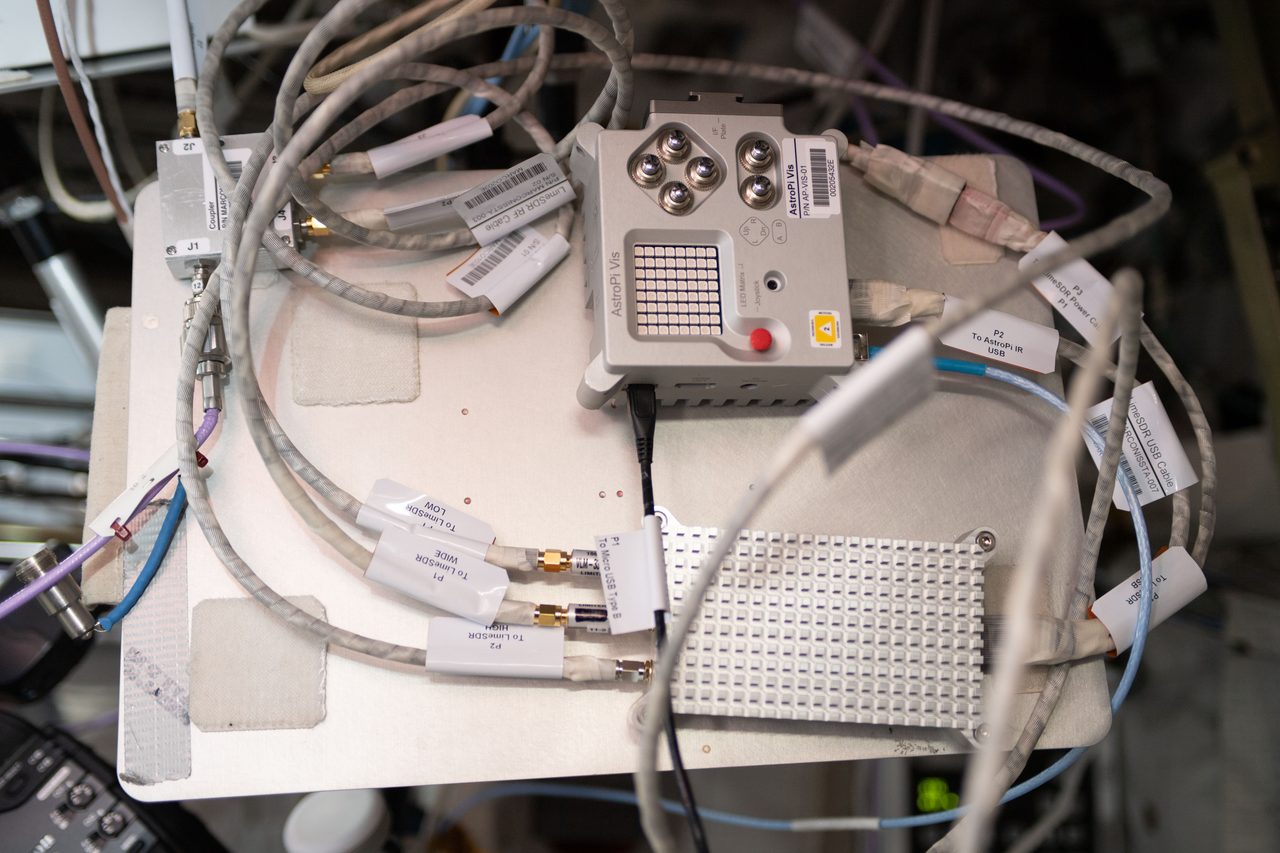
Understanding Satellite Frequency Bands: A Comprehensive Guide
Satellite frequency bands are specific ranges of radio frequencies used for communication between satellites and Earth. Learn about their significance and applications.

Amateur Radio Satellites: A Comprehensive Guide
Amateur radio satellites enable global communication for enthusiasts. Learn how they work, their benefits, and how to track them.

Geostationary Transfer Orbits: A Complete Explainer
A Geostationary Transfer Orbit (GTO) is an elliptical orbit used to transfer satellites to geostationary orbit, crucial for communications satellites.

The Evolution of EchoStar: From First Launch to Present
EchoStar has evolved from launching its first satellite in 1995 to becoming a key player in global communications technology.

Understanding Satellite Doppler Shift in Orbital Tracking
Satellite Doppler shift affects frequency changes in signals from moving satellites, crucial for accurate tracking and communication.
Geostationary Orbit: How Satellites Hover Over One Spot
A geostationary orbit allows satellites to remain fixed relative to a point on Earth, ideal for communication and weather monitoring.
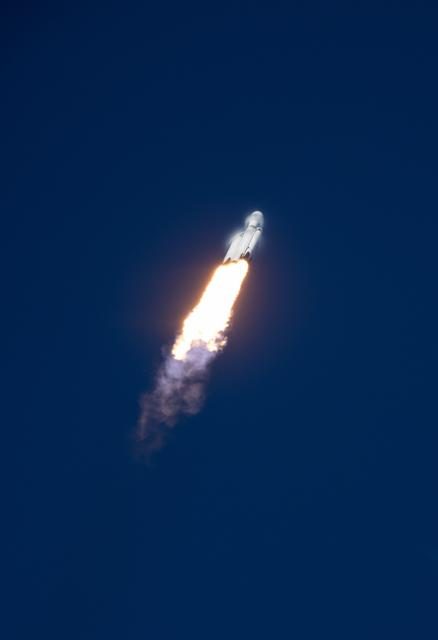
SpaceX AI Satellites: Pioneering Autonomous Space Operations
SpaceX's AI satellites are revolutionising autonomous space operations by enhancing satellite communication and navigation capabilities.

Rocket Lab Acquires Iridium, Expanding Satellite Comms Reach
Rocket Lab's $8 billion acquisition of Iridium signals a strategic expansion in satellite communications. Starlink satellites adjust orbits, and New Horizons observes solar wind changes.