Space News Mission Log — Satellite Launches, Orbital Events & Analysis
Daily space news, satellite launch reports, orbital debris analysis and weekly roundups — grounded in live tracking data from our network monitoring 89 published reports.
Geostationary Orbit: How Satellites Hover Over One Spot
Geostationary orbit allows satellites to remain fixed over a single Earth location, crucial for communications and weather monitoring.
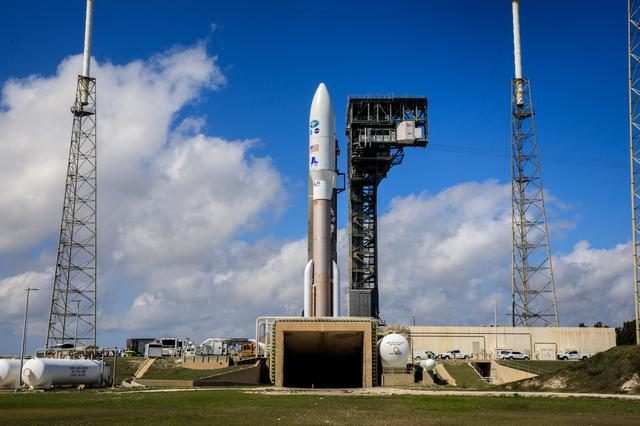
GOES-18: Geostationary Weather Sentinel
GOES-18, also known as GOES-T prior to reaching its operational orbit, is a geostationary weather satellite operated by the National Oceanic and Atmospheric Administration (NOAA). It is part of the Geostationary Operational Environmental Satellites (GOES) series, which provides real-time weather dat

Satellite Spotlight: TDRS — NASA's Data Relay Network in GEO
The Tracking and Data Relay Satellite (TDRS) system is a network of American communications satellites operated by NASA. Designed to support space missions by providing continuous data relay services, TDRS ensures that spacecraft and satellites have a constant link to ground stations.
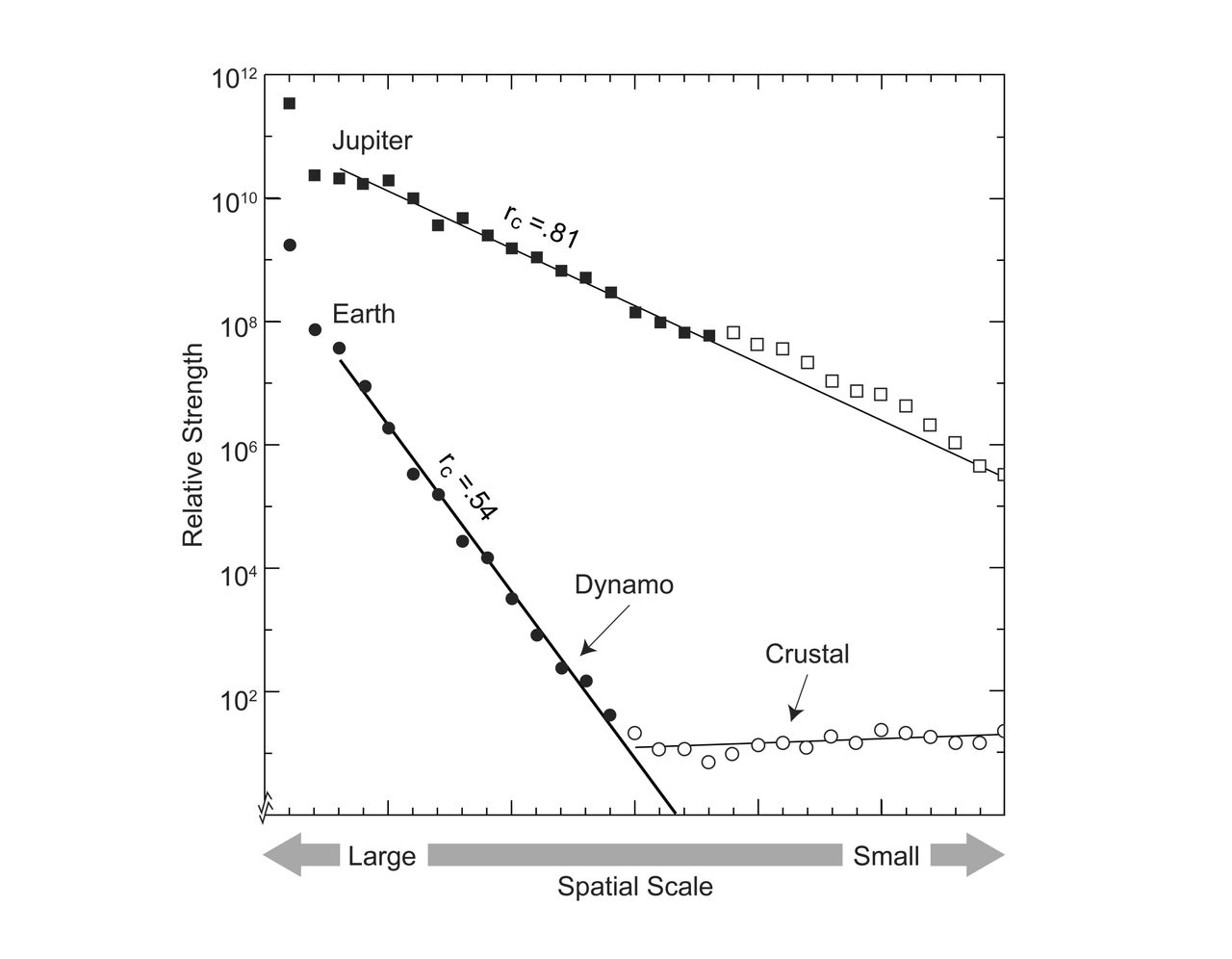
Understanding the Kp Index: Measuring Geomagnetic Storms
The Kp Index measures geomagnetic storm intensity on a scale from 0 to 9, crucial for understanding space weather impacts.

Mars' Turtle Rock: A Geological Marvel Explored by Curiosity
Mars' Turtle Rock, a 15-metre geological formation, offers insights into the planet's erosive history, captured by Curiosity.

GOES-19: The Newest Geostationary Weather Eye
GOES-19, the latest addition to the Geostationary Operational Environmental Satellites (GOES) series, is a state-of-the-art weather satellite operated by the National Oceanic and Atmospheric Administration (NOAA). Launched on December 1, 2021, aboard an Atlas V rocket, GOES-19 is part of the GOES-R
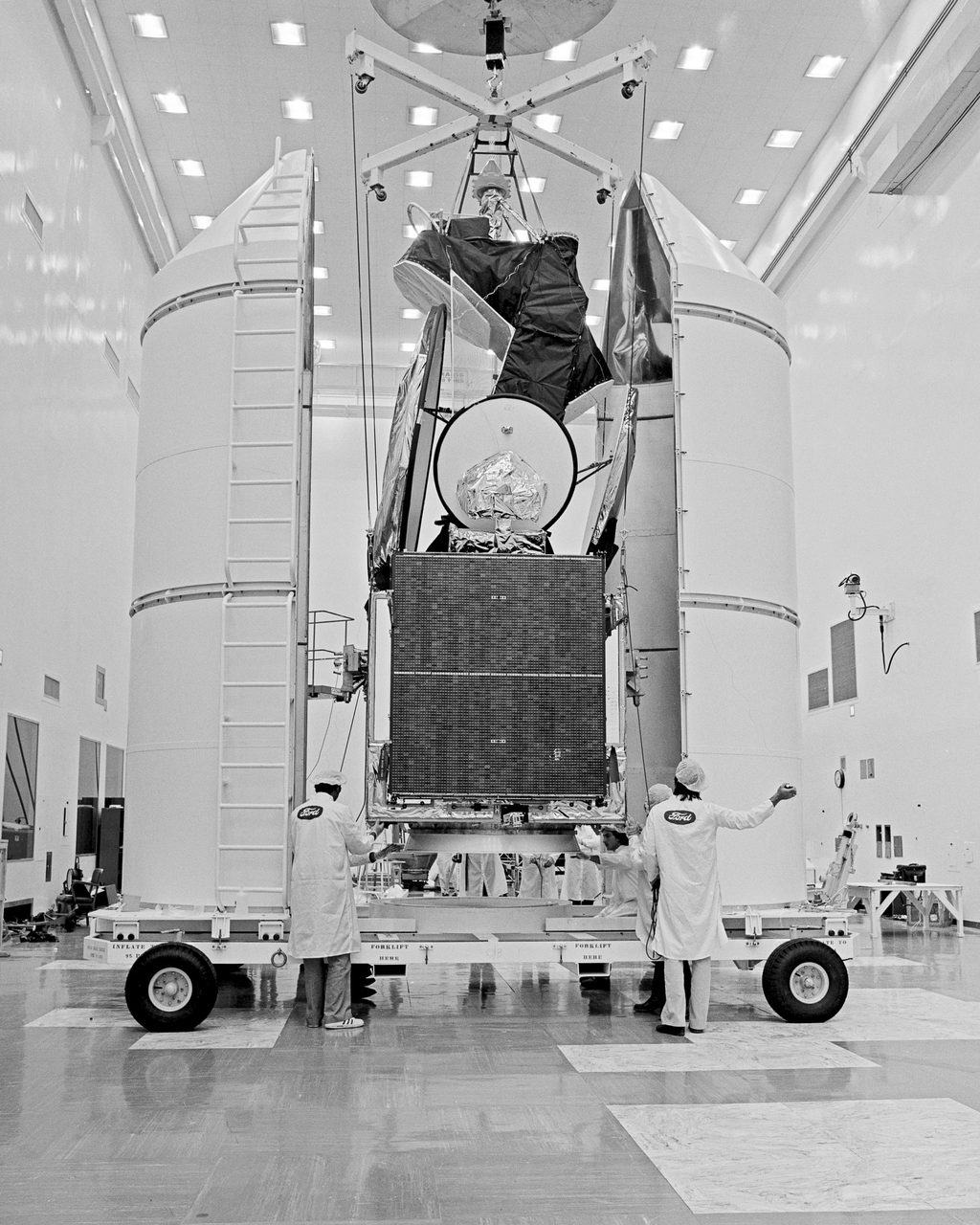
Intelsat: Geostationary Communications Pioneer
Intelsat is a leading provider of satellite communication services, operating a fleet of geostationary satellites that facilitate global telecommunications. Established in 1964, Intelsat has played a pivotal role in connecting continents and enabling international broadcasting.

TDRS: NASA's Data Relay Network in Geostationary Orbit
The Tracking and Data Relay Satellite (TDRS) system is a network of American communications satellites operated by NASA. Designed to support space missions by providing continuous data relay services, TDRS satellites are crucial for maintaining near-constant communication with spacecraft in low Eart

Graveyard Orbits: Final Resting Place for Satellites
Graveyard orbits are designated zones where inactive satellites are moved to minimise space debris. Discover their importance and function.
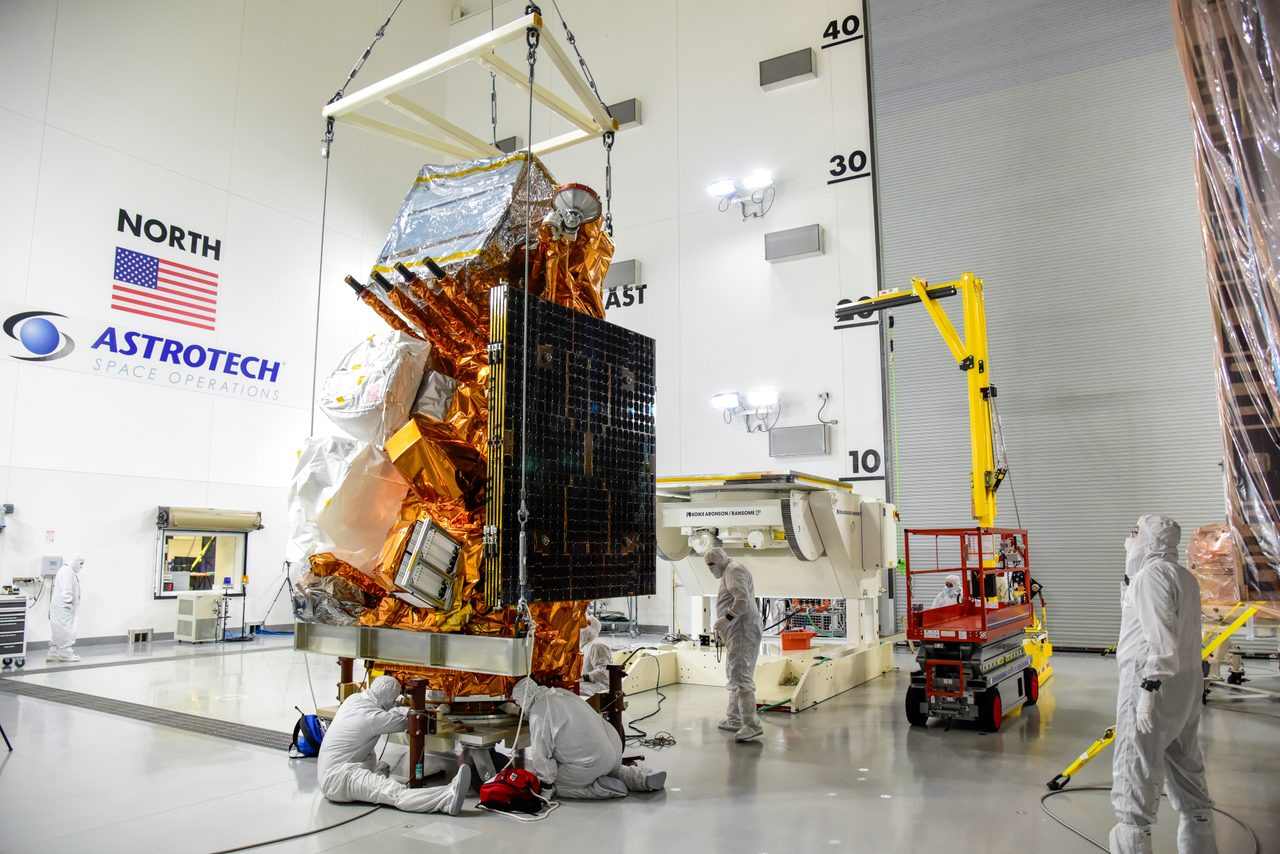
Highly Elliptical Orbits: Understanding Their Role in Space
Highly elliptical orbits (HEOs) are elongated paths used for specific satellite missions, offering unique advantages for communication and observation.
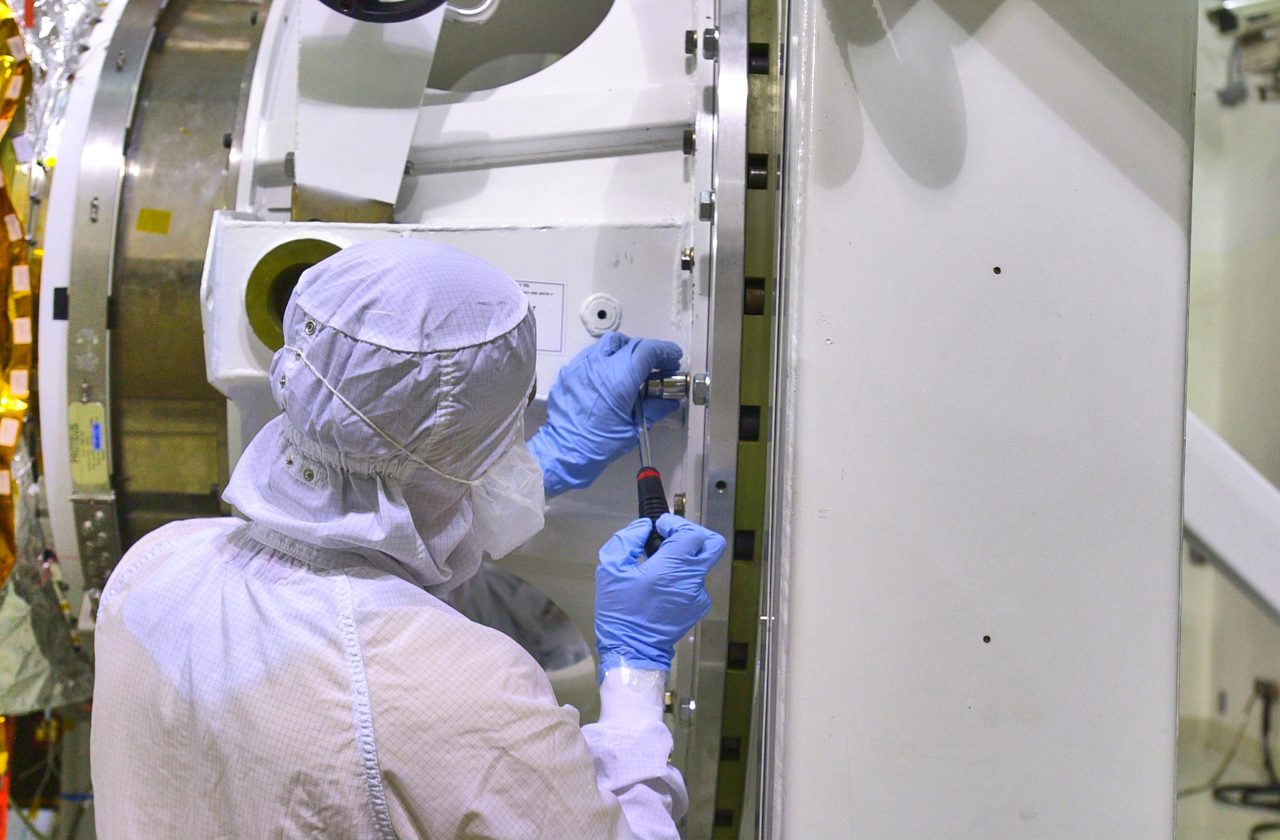
Satellite Spotlight: BeiDou-3 — China's Global Navigation System
BeiDou-3 is the third generation of China's BeiDou Navigation Satellite System (BDS), designed to provide global navigation and positioning services. Officially completed in 2020, BeiDou-3 represents a significant advancement over its predecessors, BeiDou-1 and BeiDou-2, expanding coverage from regi

Satellite Spotlight: NASA's TDRS — The Backbone of Space Communication
The Tracking and Data Relay Satellite (TDRS) system is a network of communication satellites operated by NASA to provide continuous, high-bandwidth communication links between ground stations and orbiting spacecraft. Established in the 1980s, TDRS has been instrumental in supporting a wide range of