Space News Mission Log — Satellite Launches, Orbital Events & Analysis
Daily space news, satellite launch reports, orbital debris analysis and weekly roundups — grounded in live tracking data from our network monitoring 12 published reports.
Exploring the Universe: The Complete Sharpless Catalog
The Sharpless Catalog of H II Regions, featuring 313 celestial objects, offers a breathtaking view of the universe, captured by Bing Xin over 800 hours.
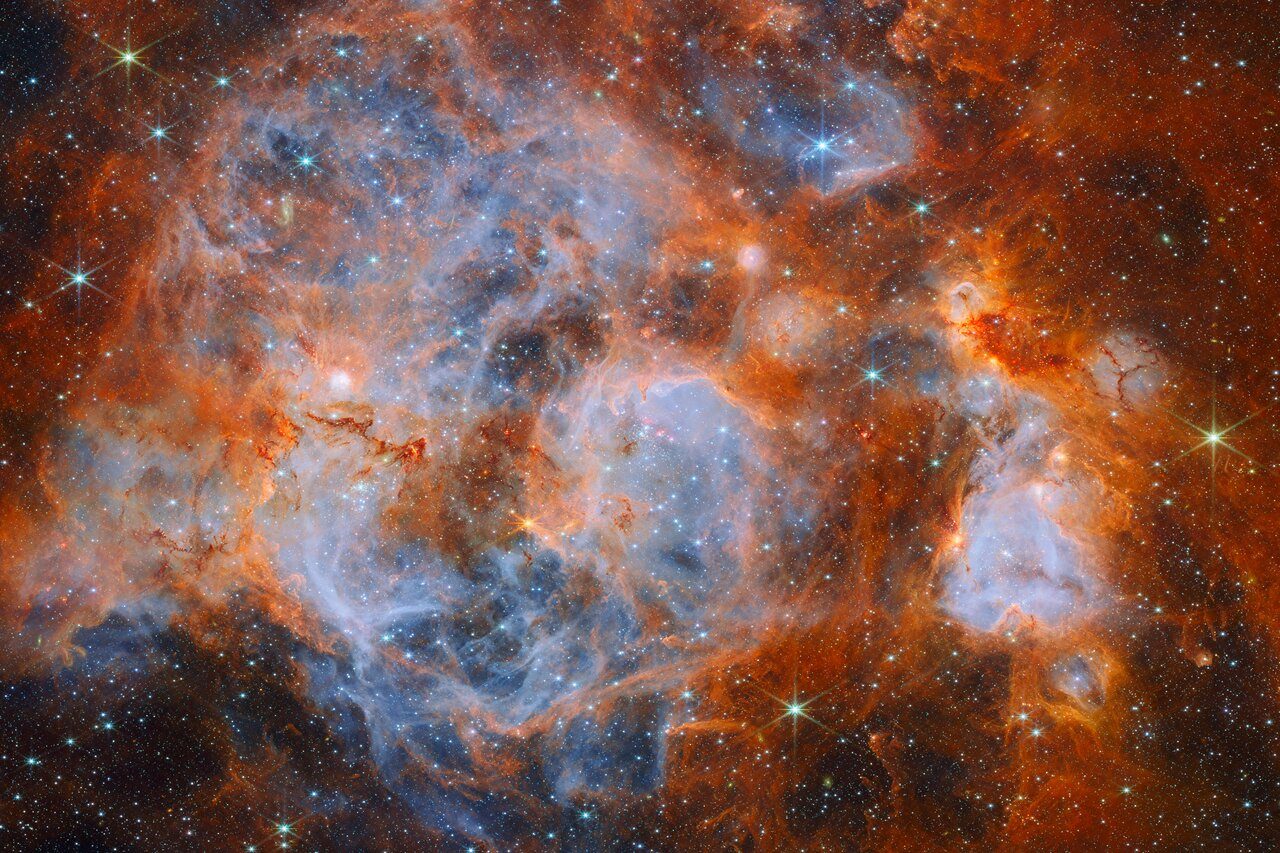
Stars brewing in N159: Webb reveals a nebulous cauldron
Webb’s view of N159 reveals young stars sculpting their birthplace, while dense filaments protect others still forming inside this turbulent stellar nursery.
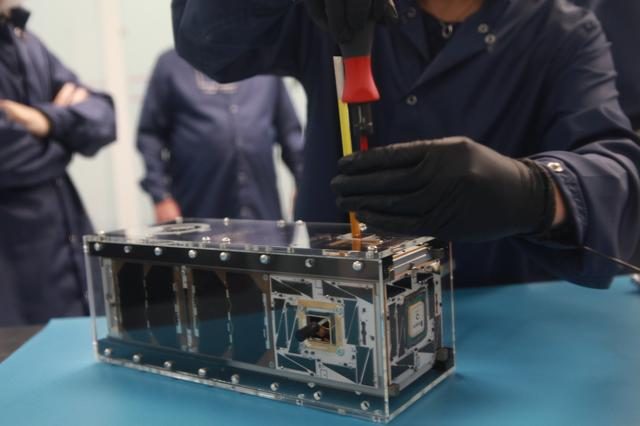
GPS IIR-11: a veteran of global navigation
Launched in March 2004, GPS IIR-11 belongs to the generation that helped sustain satellite navigation as an everyday utility. Its mission illustrates why precise timing, predictable orbits and replacement spacecraft matter.
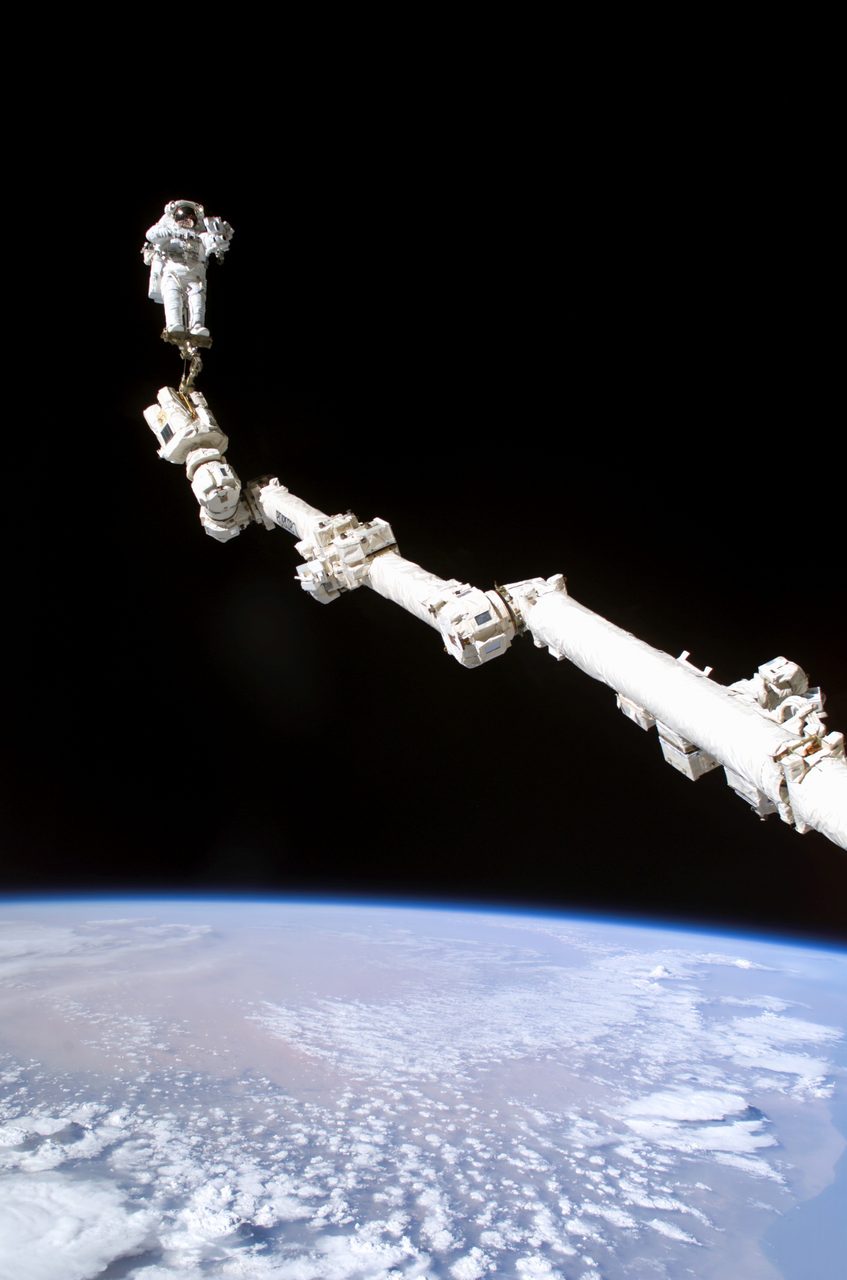
Why Do Rockets Launch From Florida?
Florida combines an eastward boost from Earth's rotation with open Atlantic launch corridors and decades of infrastructure. But the best launch site depends on the mission.
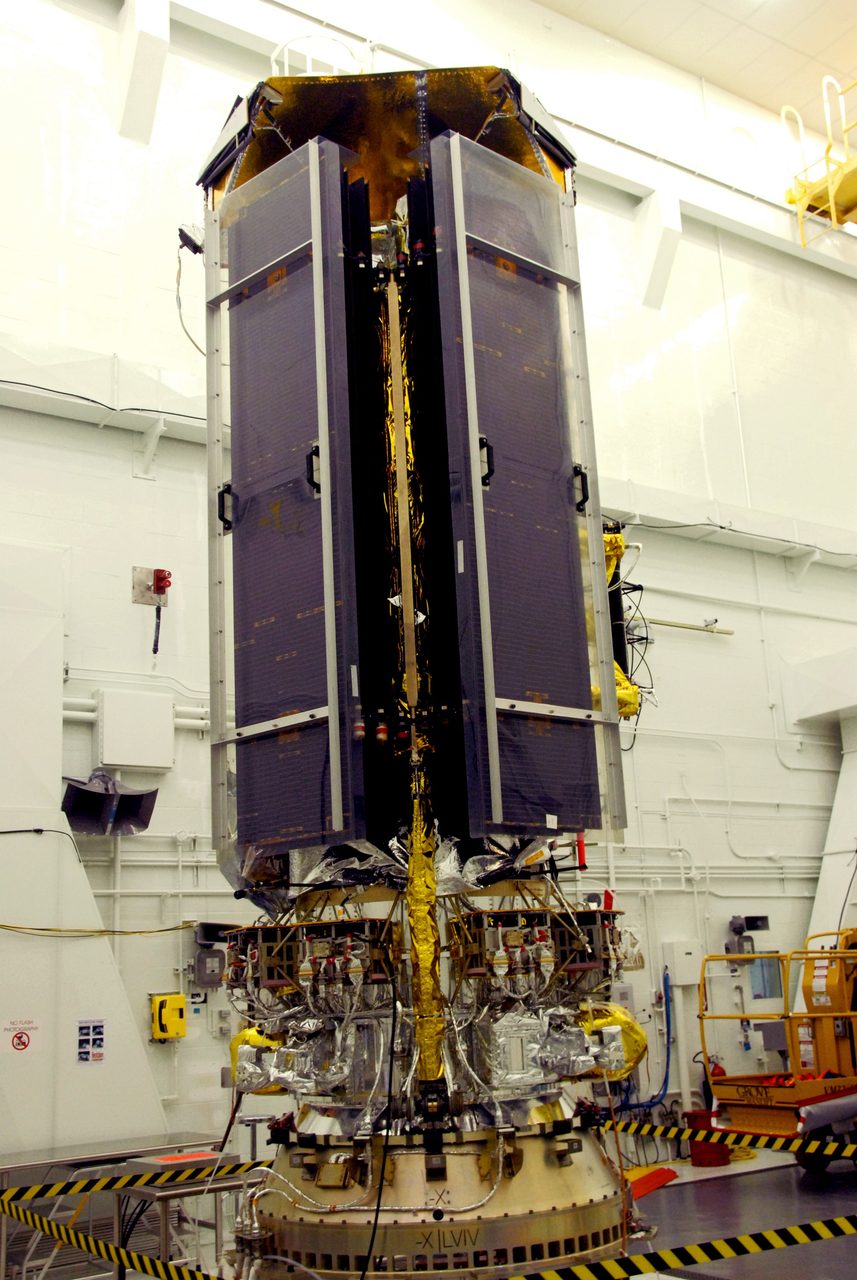
NOAA-19: the last of the POES weather satellites
Launched in 2009, NOAA-19 completed an American weather-satellite series that helped turn polar-orbiting observations into everyday forecasts. Its retirement closed a chapter, but its measurements remain part of the environmental record.
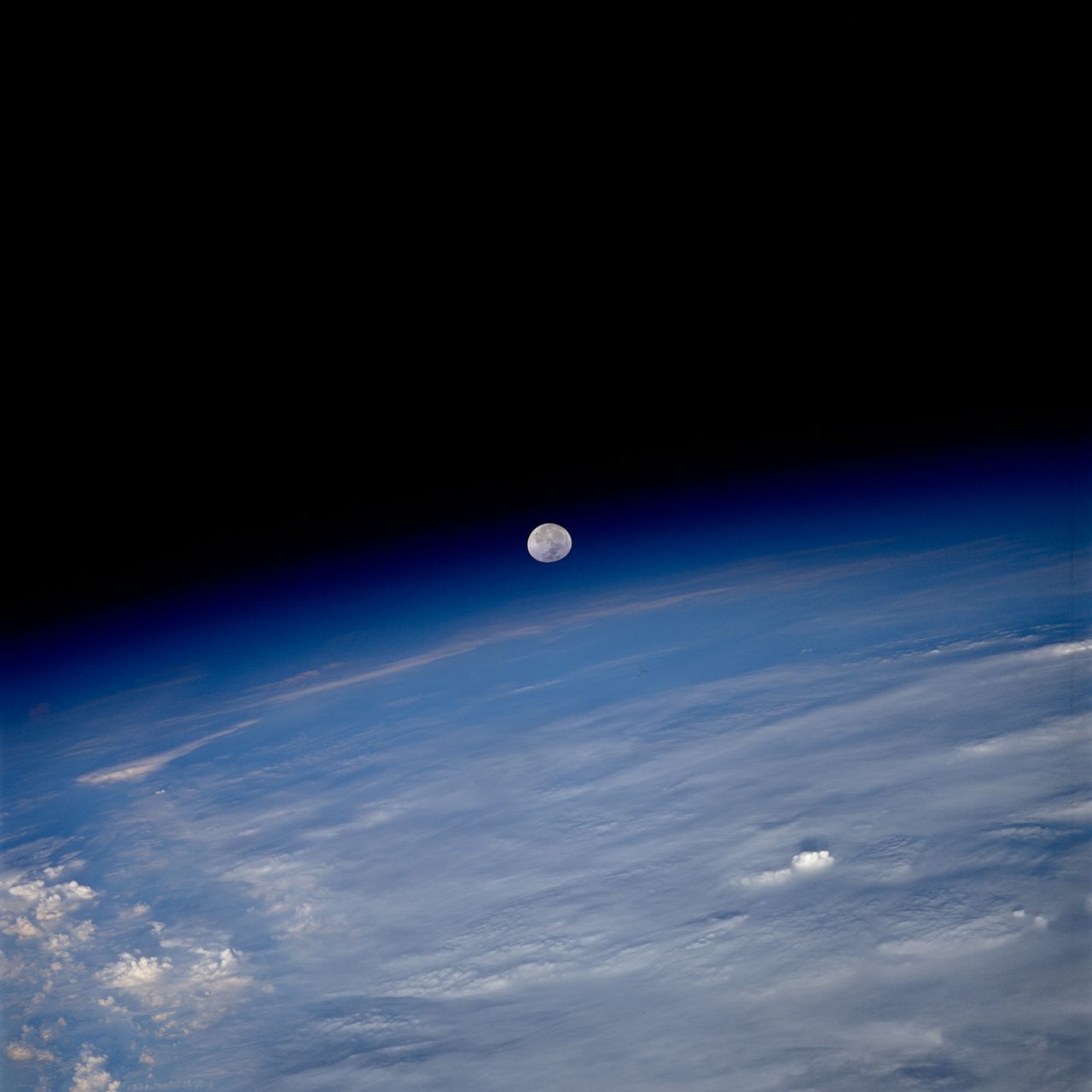
Can a Falling Satellite Hit You? The Real Re-entry Risk
A falling satellite can hit someone, but the personal risk is very low. Explore what survives re-entry, documented debris strikes and what forecasts can actually tell you.
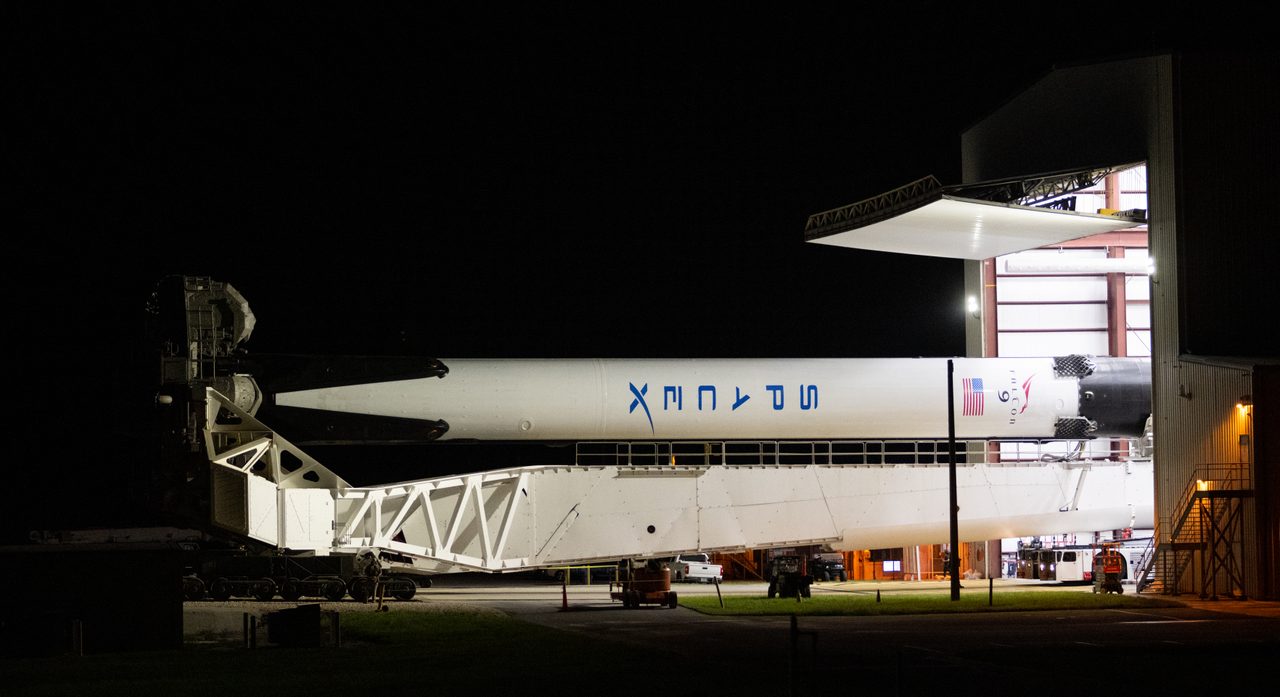
This Week in Orbit: Falcon 9 reaches 700 launches
SpaceX closes October with a Falcon 9 milestone, India launches a navigation satellite, and close-approach tracking highlights why proximity alone does not establish collision risk.
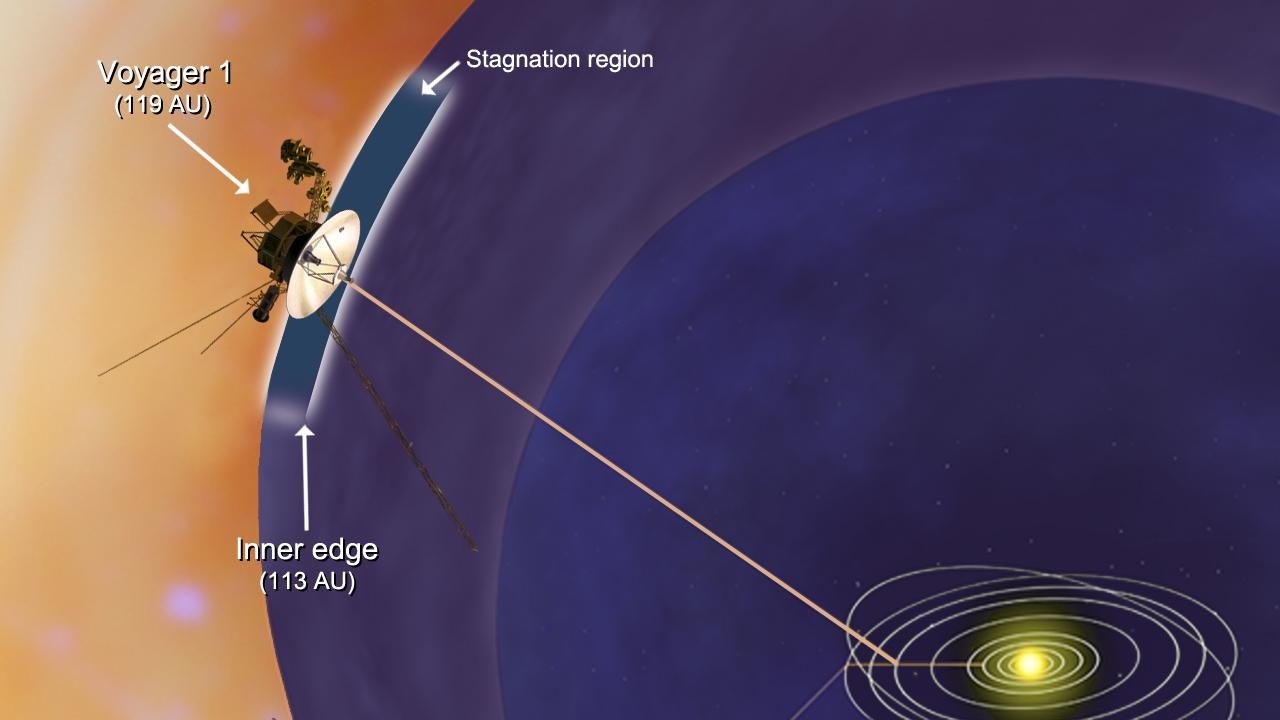
Voyager 1: humanity’s most distant spacecraft
Launched in 1977, Voyager 1 explored Jupiter and Saturn before becoming the first spacecraft to enter interstellar space. Its outward journey continues, although declining electrical power limits its scientific future.
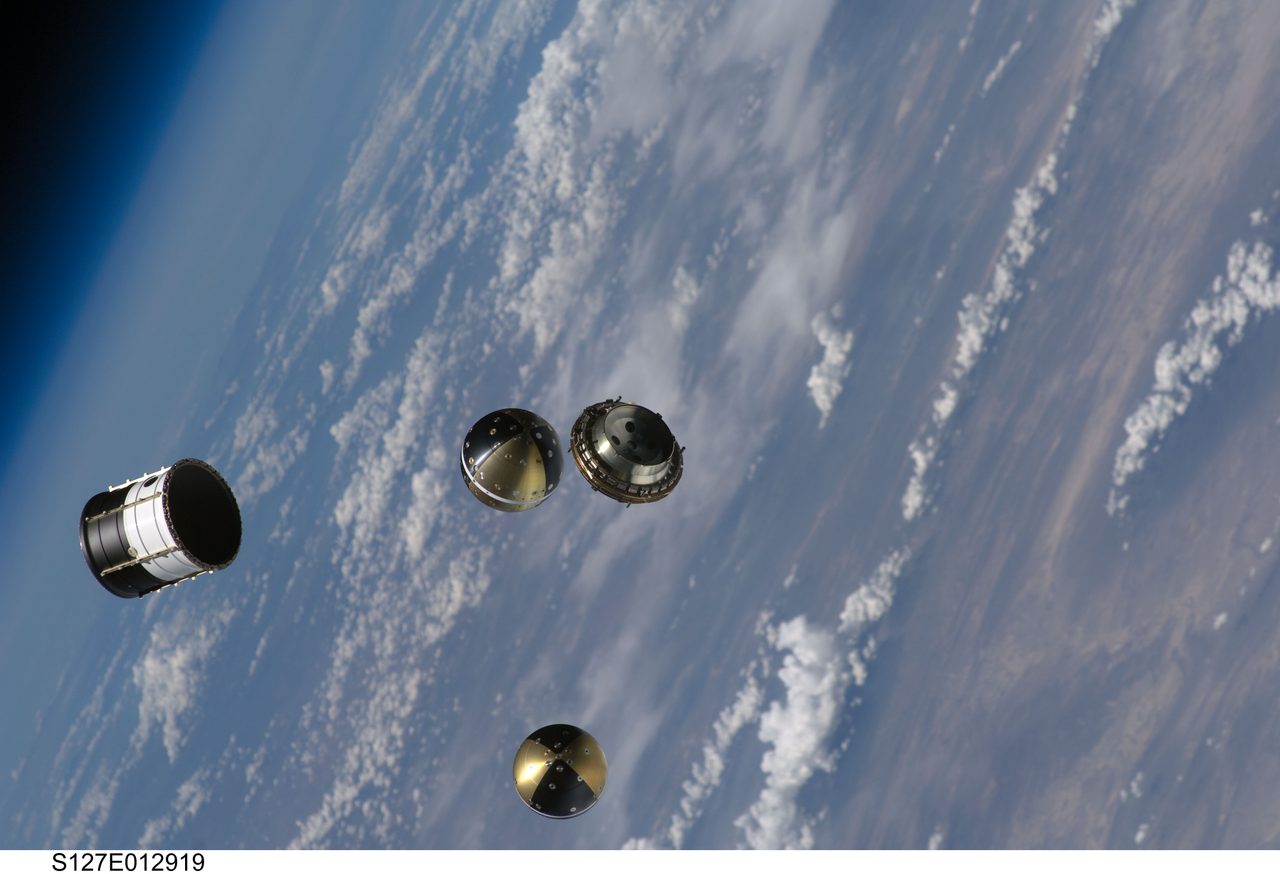
Orbital Inclination: Why Satellites Fly at Different Angles
Orbital inclination determines which latitudes a satellite flies over, but not everything it can see. Learn how orbit angles shape coverage, launch choices and mission design.
How Do Astronauts Get Back to Earth?
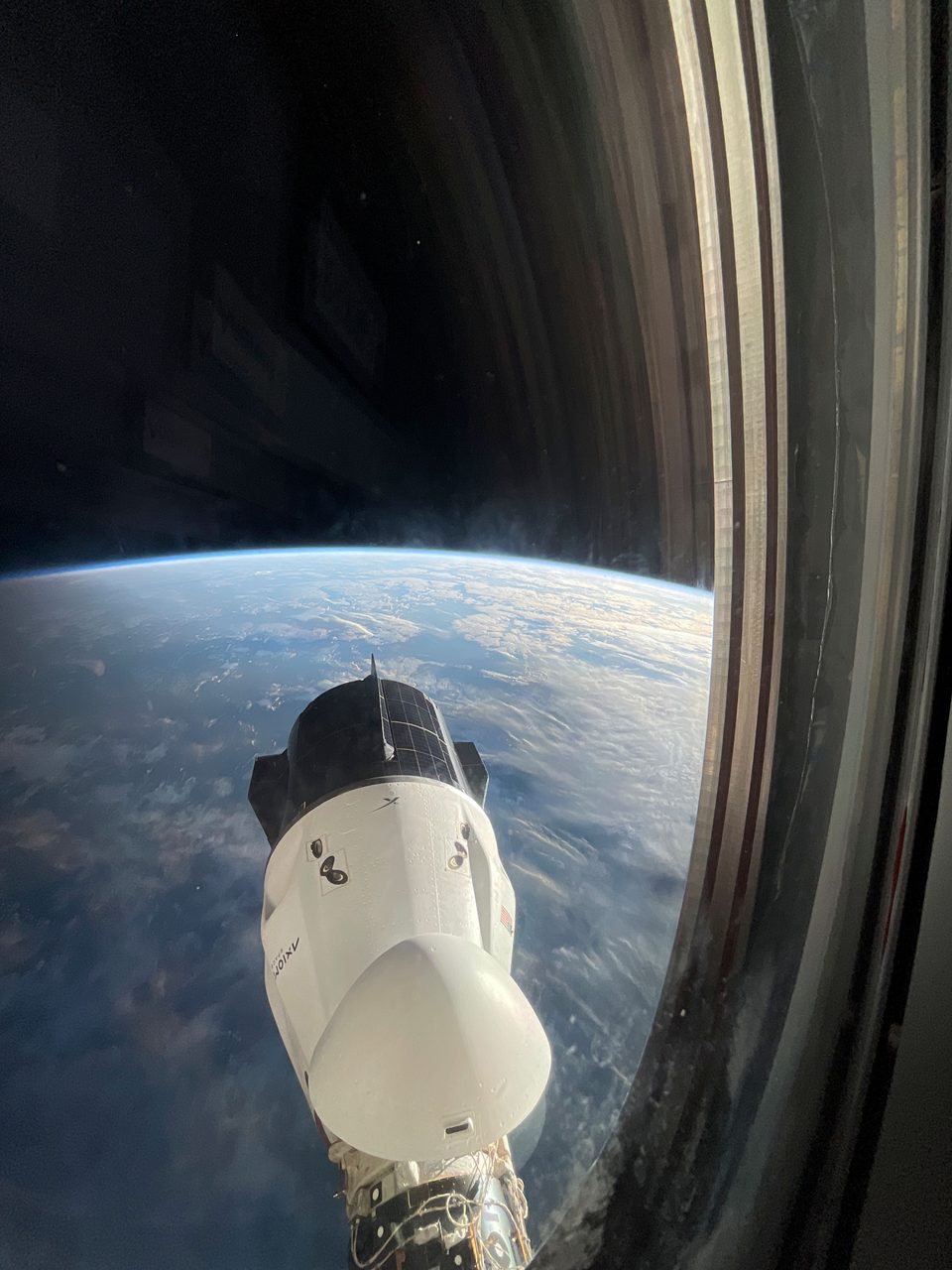
Astronauts return in spacecraft that slow down, survive atmospheric heating and land under parachutes. The journey ends with an ocean splashdown or a touchdown on land.

SatNet reaches orbit: Orbital Briefing, 25 October 2026
China's SatNet LEO Group 28 has reached orbit aboard Long March 8A. Elsewhere, satellite close approaches warrant attention while geomagnetic conditions remain quiet.
SOHO: the Sun-watching observatory at L1
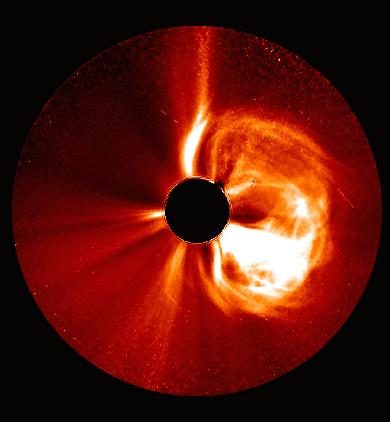
Stationed around 1.5 million kilometres sunward of Earth, SOHO transformed observations of the solar interior, atmosphere and eruptions — and became an unexpected comet hunter.