Space News Mission Log — Satellite Launches, Orbital Events & Analysis
Daily space news, satellite launch reports, orbital debris analysis and weekly roundups — grounded in live tracking data from our network monitoring 155 published reports.
Solar Observatory Spacecraft: Monitoring Our Sun
Solar observatory spacecraft are crucial for monitoring the Sun's activity and understanding space weather impacts on Earth.
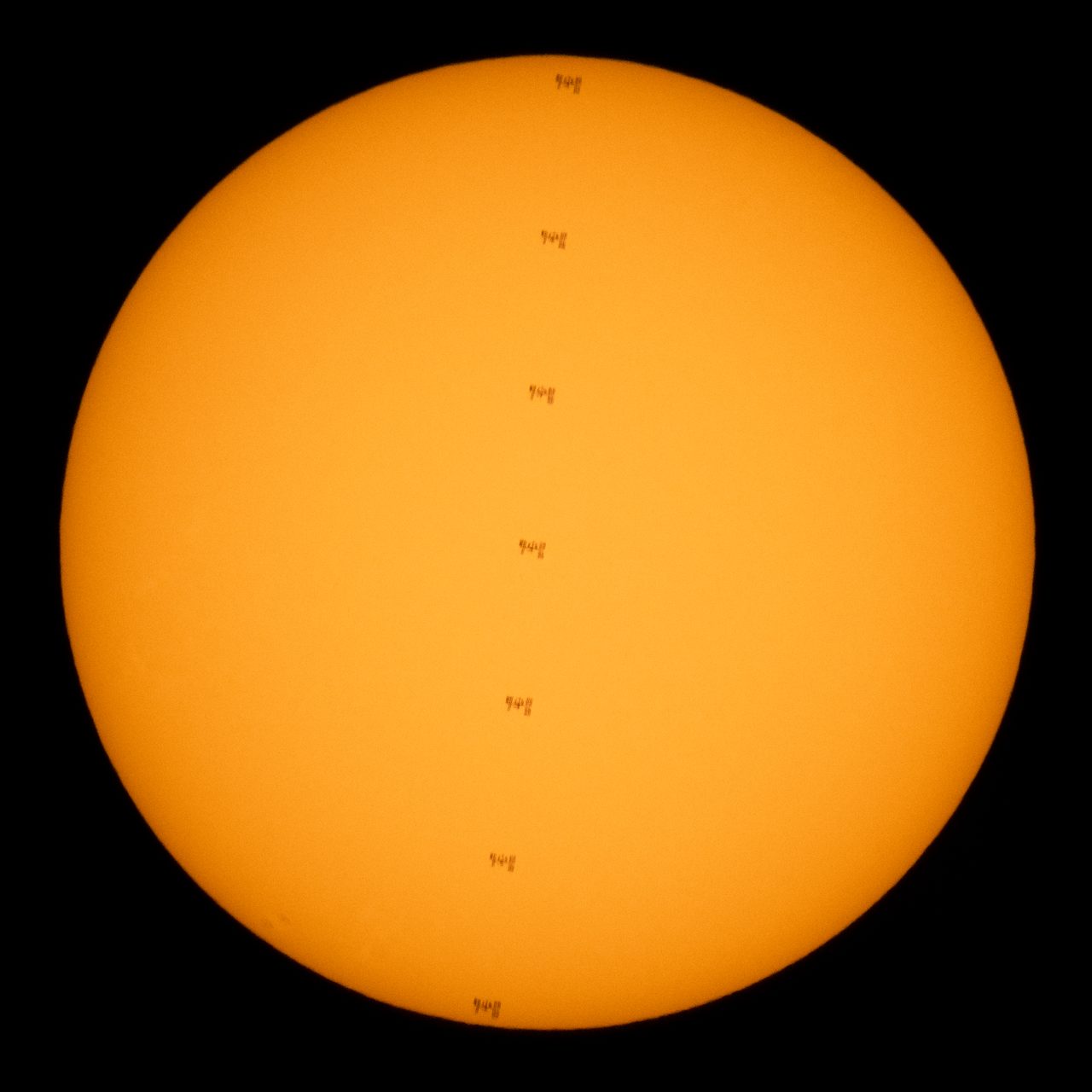
ISS Solar Transit: How to Predict, Watch and Photograph It
An ISS solar transit lasts about a second and depends on your exact location. Learn how to predict the crossing, observe safely and prepare your camera.
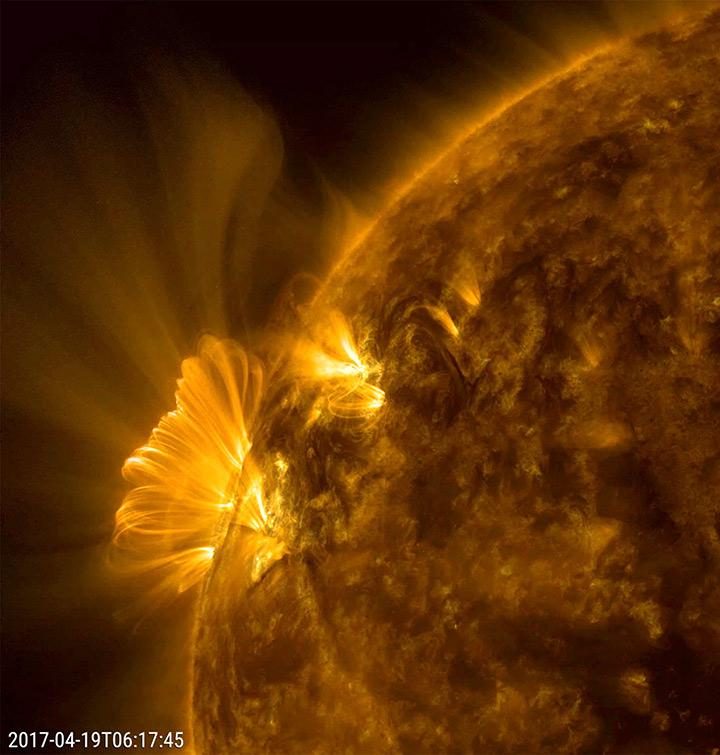
Unleashing the Sun: Understanding Coronal Mass Ejections
The Solar Dynamics Observatory captures a coronal mass ejection, illustrating the Sun's dynamic magnetic fields and their impact on Earth.
Golden Corona: The Science Behind Spain's Unique Eclipse
A rare golden solar corona was observed during a total eclipse in Spain, offering insights into atmospheric effects and solar phenomena.
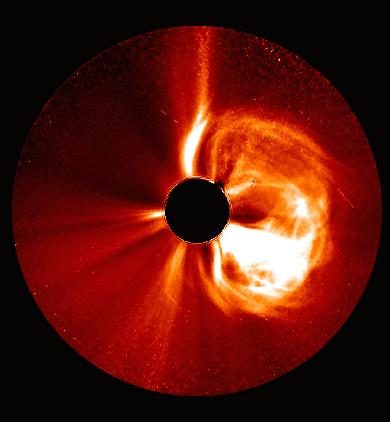
SOHO: the Sun-watching observatory at L1
Stationed around 1.5 million kilometres sunward of Earth, SOHO transformed observations of the solar interior, atmosphere and eruptions — and became an unexpected comet hunter.
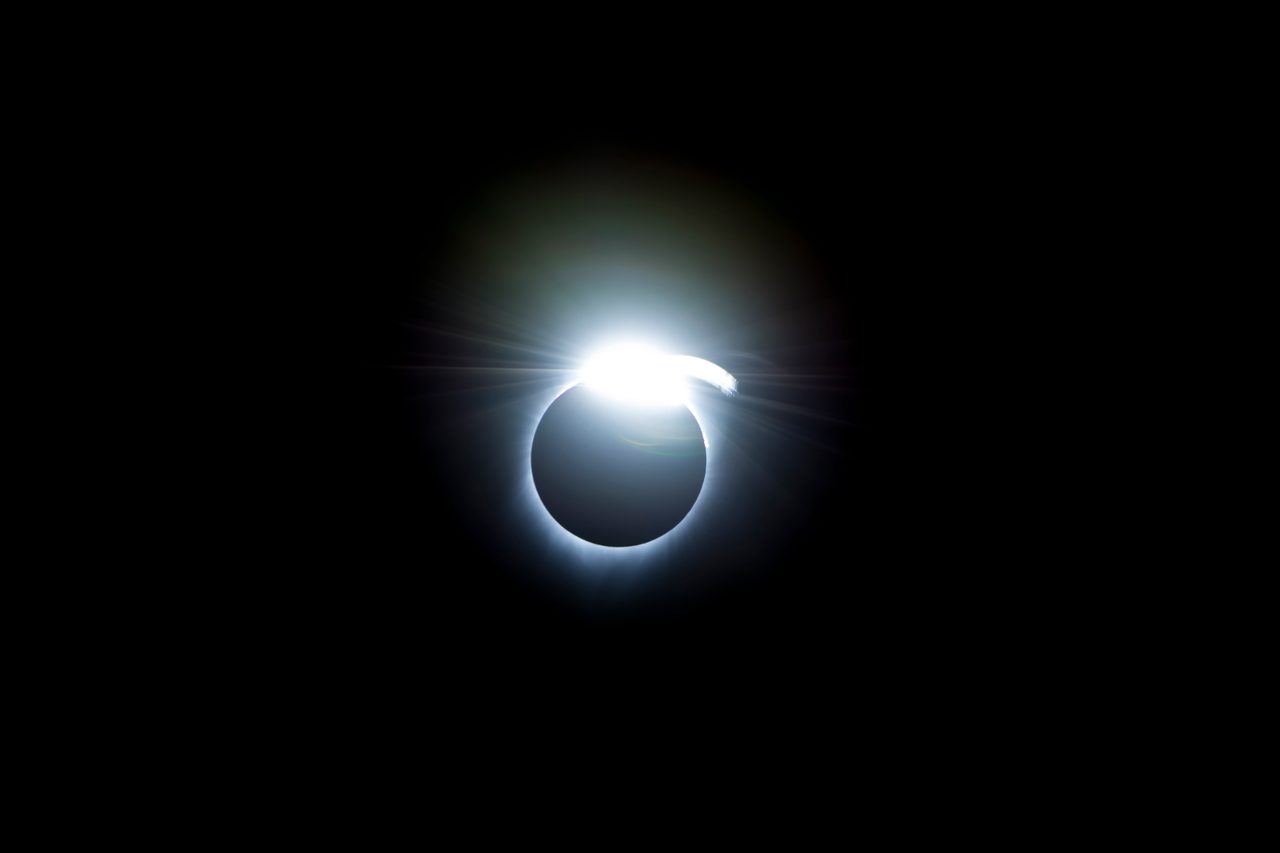
2026 Total Solar Eclipse: Track Its Path and Legacy
The total solar eclipse of 12 August 2026 crossed Greenland, Iceland and Spain. Explore the orbital geometry behind the event, what live tracking can show, and how to prepare for the next European total eclipse.
Rocket Lab Acquires Iridium, Expanding Satellite Comms Reach
Rocket Lab's $8 billion acquisition of Iridium signals a strategic expansion in satellite communications. Starlink satellites adjust orbits, and New Horizons observes solar wind changes.
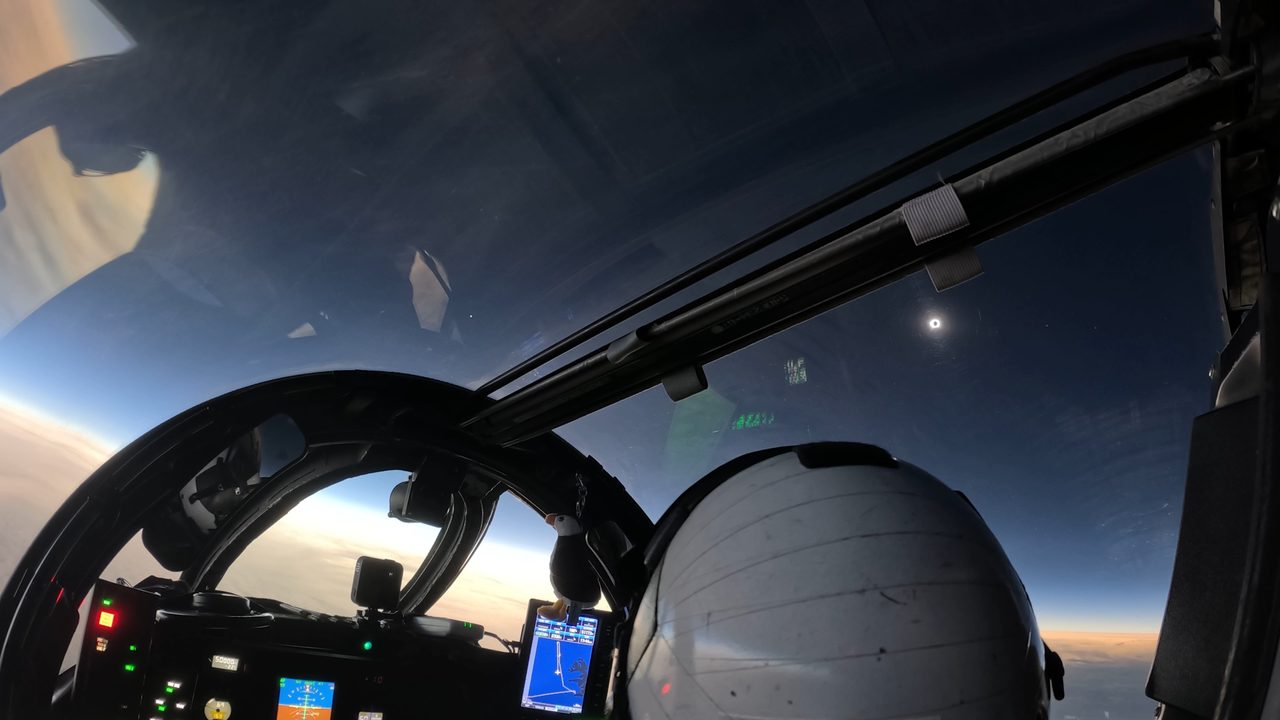
Witnessing the Dance of Shadows: A Solar Eclipse from Above
NASA's WB-57F aircraft captures a solar eclipse from 50,000 feet, offering a unique view of the Sun's corona and planets in the shadowed sky.
Sun-Synchronous Orbit: How Satellites Keep Consistent Light
Sun-synchronous satellites use Earth's equatorial bulge to keep a consistent solar schedule. Learn how the orbit works, why imaging missions use it and what it cannot guarantee.
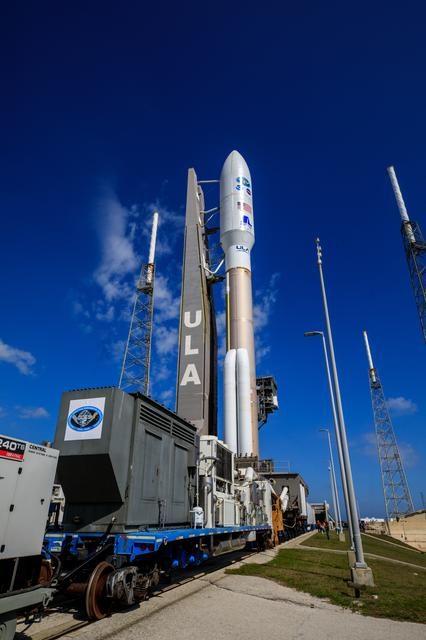
GOES-18: the weather sentinel watching the Pacific
From its position above the equatorial Pacific, GOES-18 follows storms, wildfires and atmospheric rivers while monitoring solar activity that can affect Earth.
Perseids Radiance: A Celestial Dance in the Night Sky
The Perseids meteor shower, enhanced by a solar eclipse, dazzled observers with its radiant in Perseus. Learn the science behind this celestial event.

How Solar Cycles Affect Satellite Operations
Solar cycles influence satellite operations by affecting space weather, which can disrupt communications and increase orbital decay.