Space News Mission Log — Satellite Launches, Orbital Events & Analysis
Daily space news, satellite launch reports, orbital debris analysis and weekly roundups — grounded in live tracking data from our network monitoring 111 published reports.
SpaceX Starship: The Fully Reusable Megarocket Explained
SpaceX's Starship is a fully reusable spacecraft designed to carry humans and cargo to Mars and beyond. Discover its design, capabilities, and mission goals.
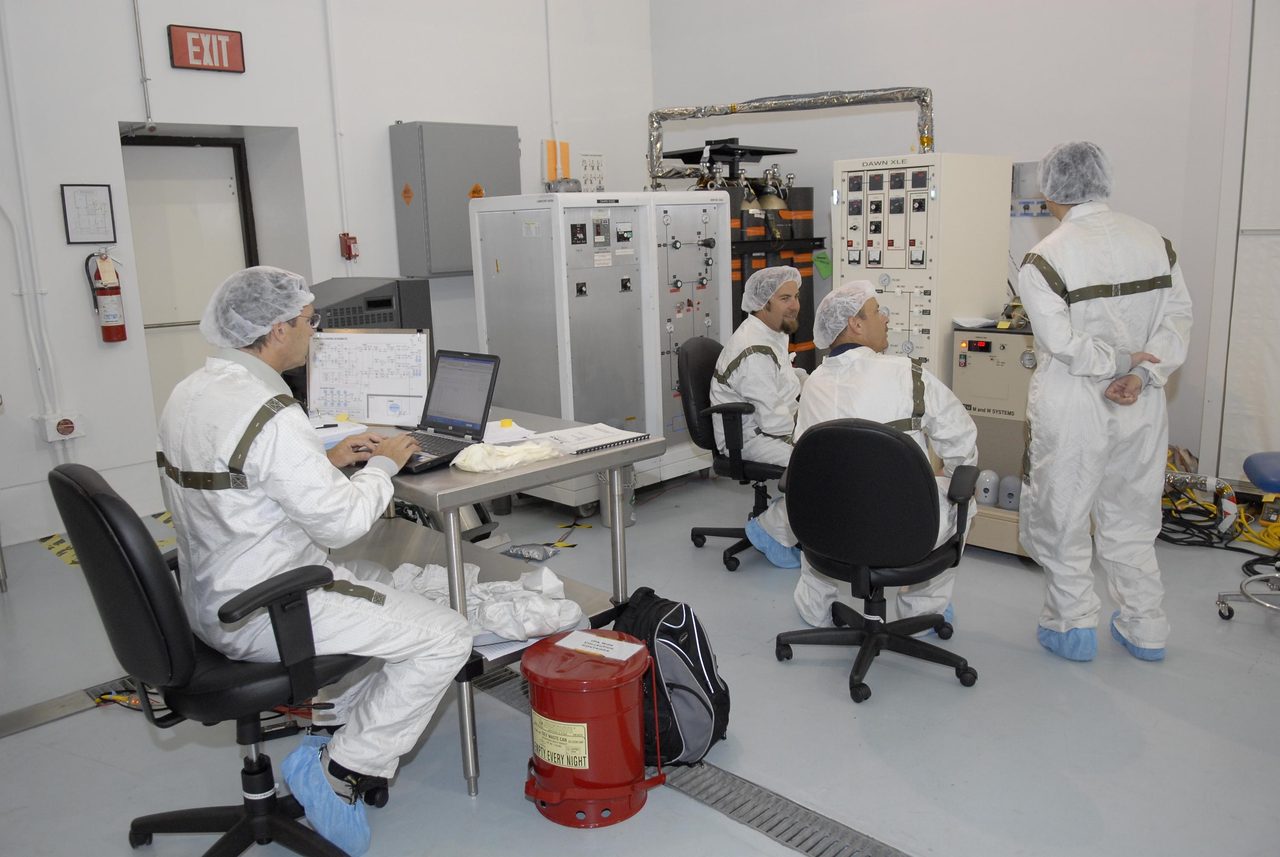
Delta-V Explained: The Currency of Spaceflight
Delta-v is the change in velocity needed for space manoeuvres, crucial in mission planning and satellite operations.
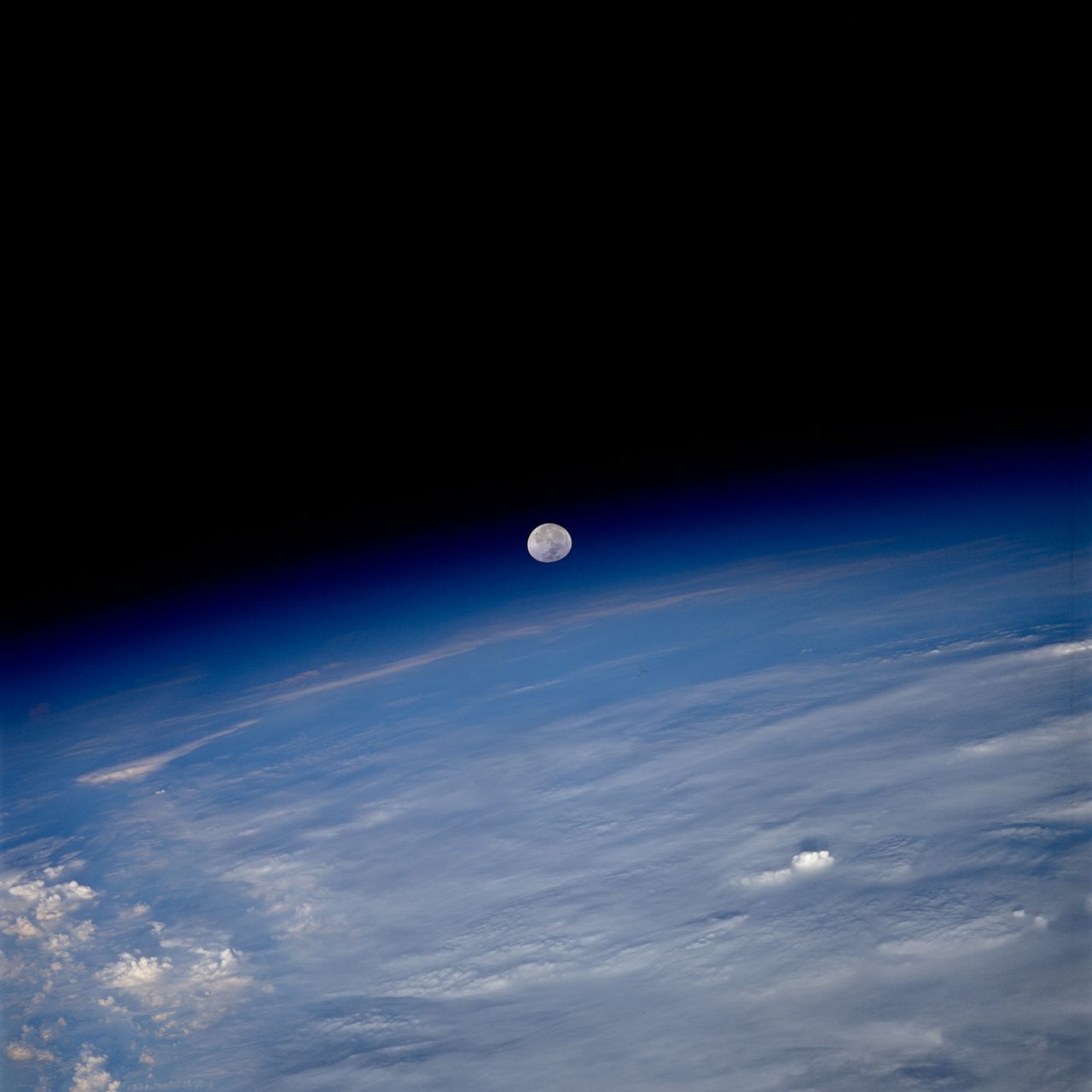
Karman Line: Where Space Begins and Why It Matters
The Kármán line marks a widely used boundary of space at 100 km above Earth. But the atmosphere does not end there, and crossing it does not mean reaching orbit.
Space Situational Awareness: How We Track Orbital Risks
Space situational awareness turns observations of satellites and debris into warnings. Learn how tracking works, what collision alerts mean and where uncertainty remains.
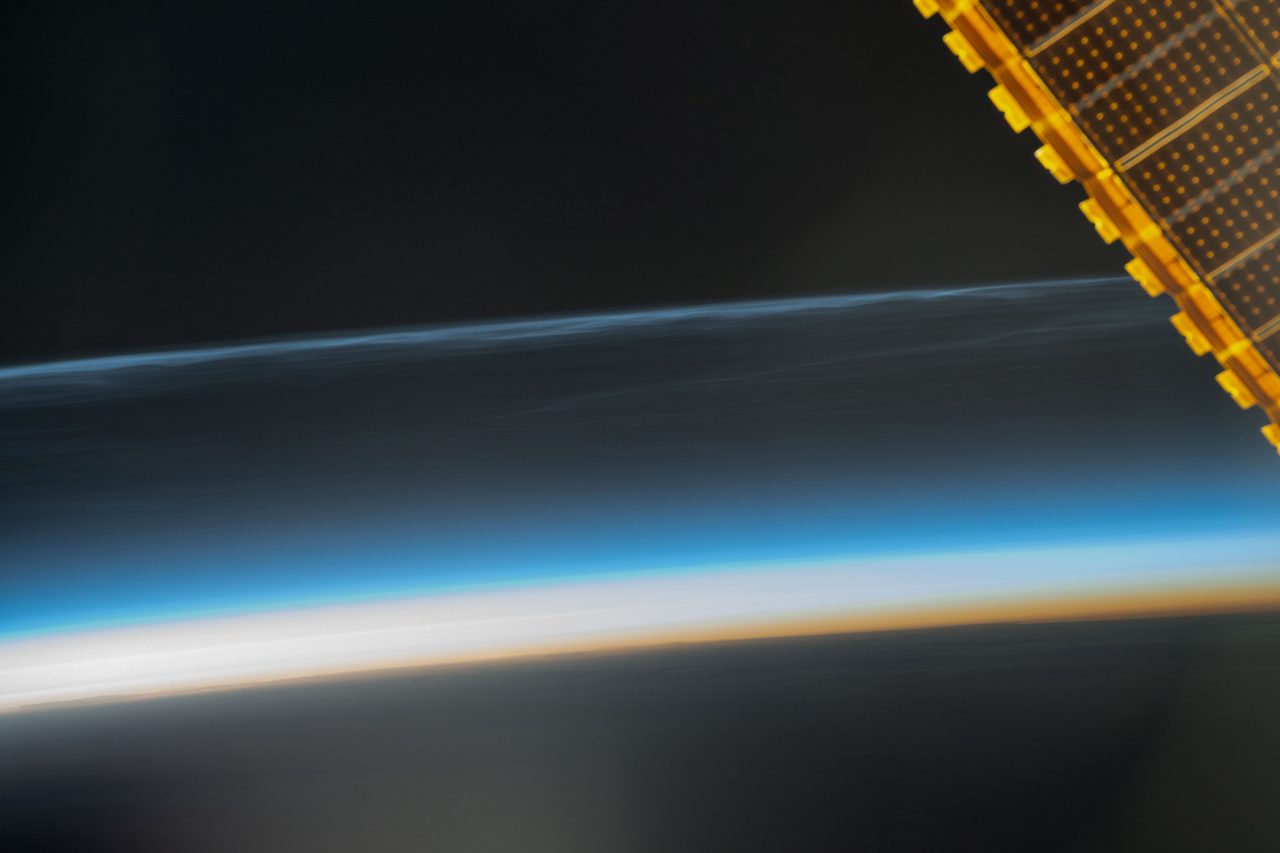
Low Earth Orbit: Why Space Is Busiest Below 2,000 km
Low Earth orbit hosts space stations, broadband constellations and Earth-observation missions. Explore how it works, why it is crowded and what keeps satellites flying safely.
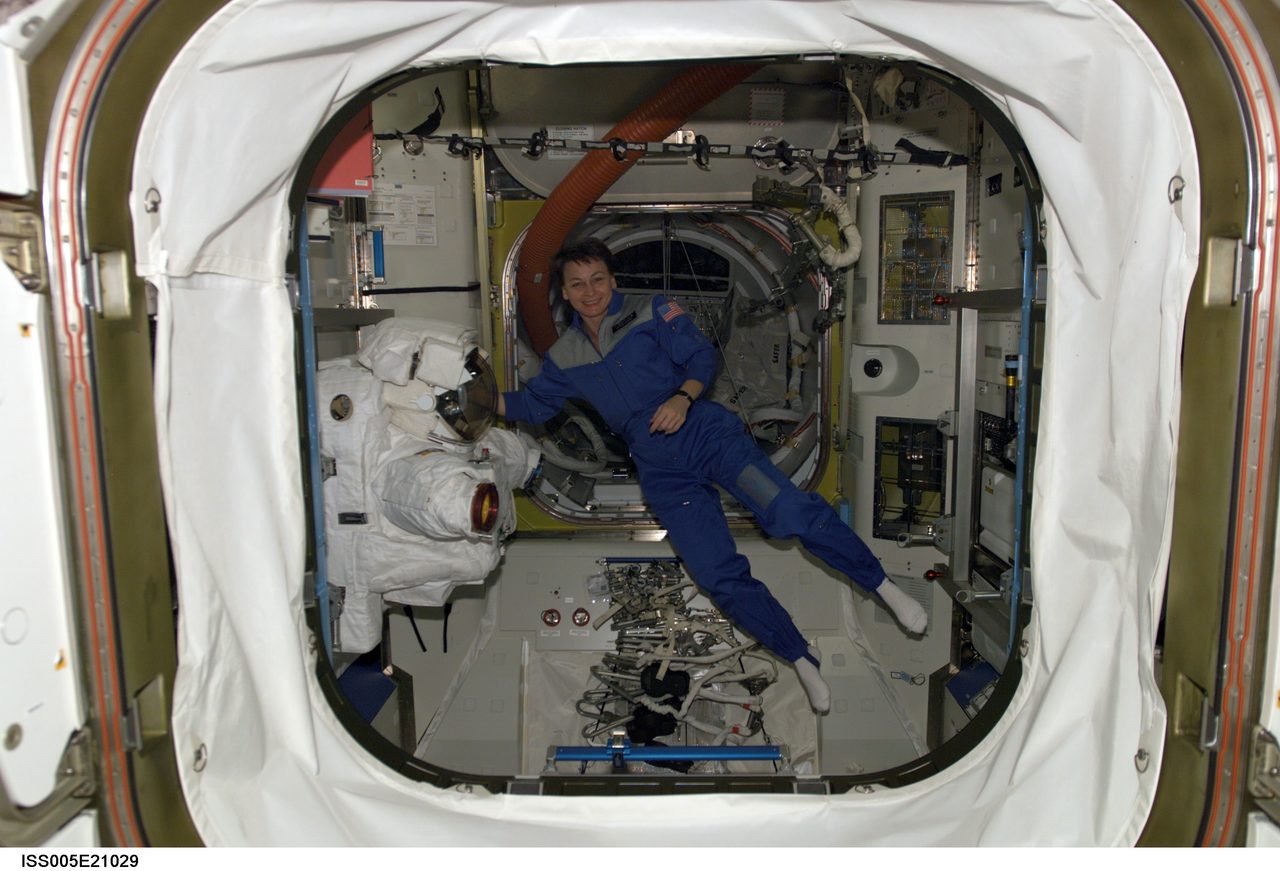
What Happens to Your Body in Space? The Human Effects
Spaceflight changes how bones, muscles, circulation and eyesight work. Explore the risks of long ISS stays, the countermeasures crews use and what recovery involves.
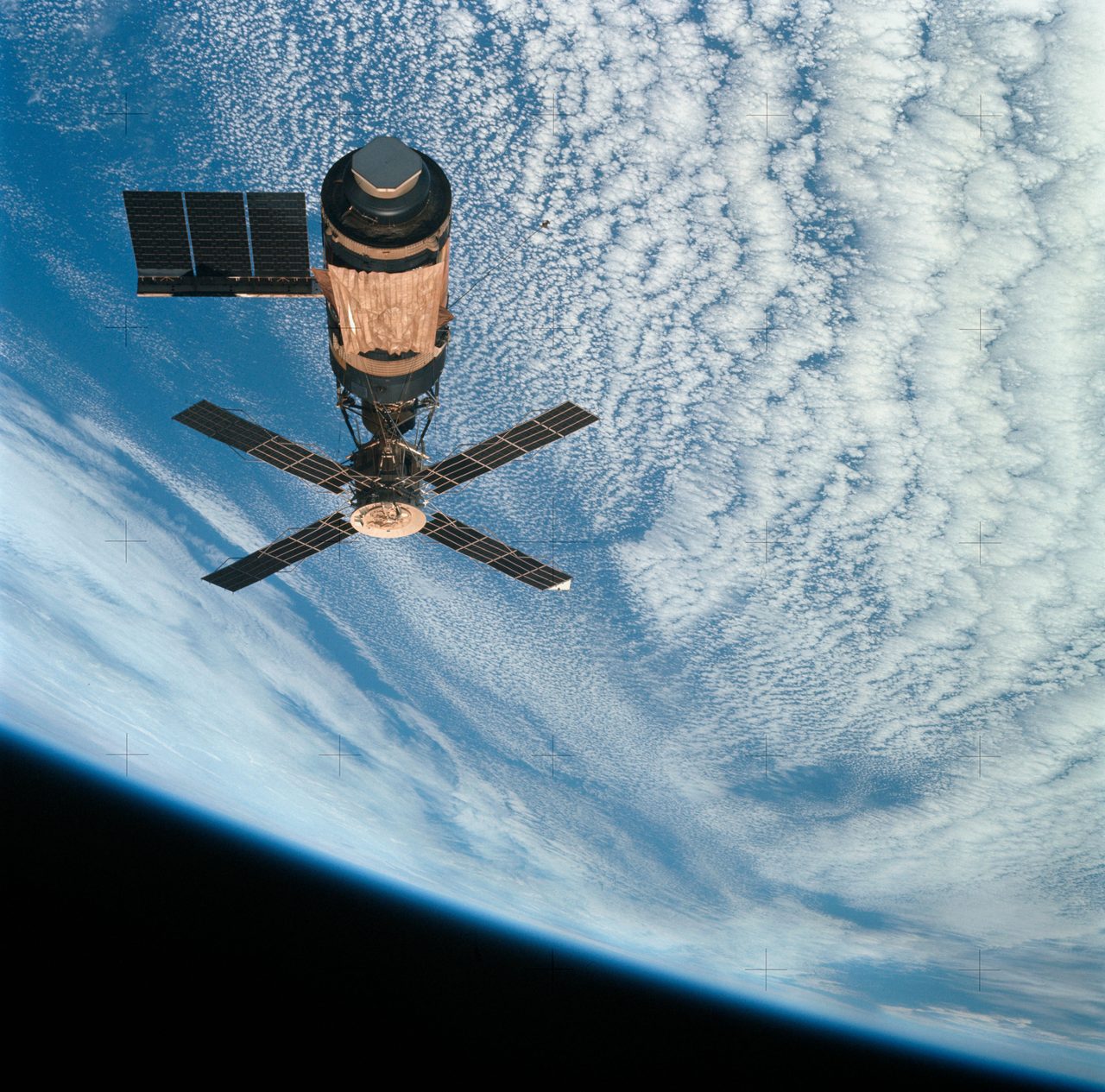
Space Tourism Cost: Prices, Providers and Who Can Go
Space tourism costs hundreds of thousands of dollars for suborbital trips and tens of millions for orbital stays. The price depends on the flight, provider and package.
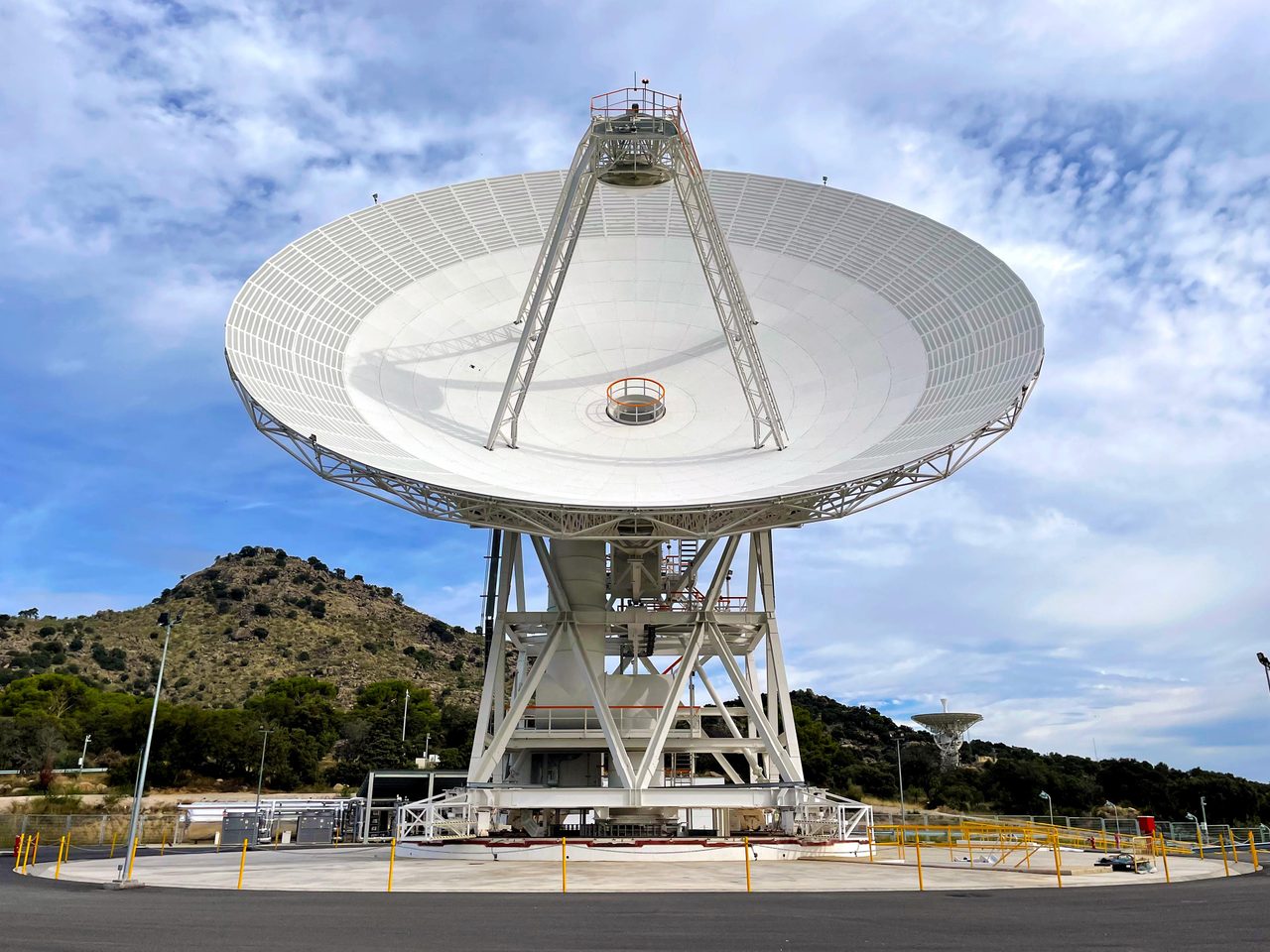
How Do We Communicate With Voyager Across Deep Space?
Voyager communicates through faint radio signals collected by NASA’s Deep Space Network. Here is how giant dishes recover its messages across billions of kilometres.
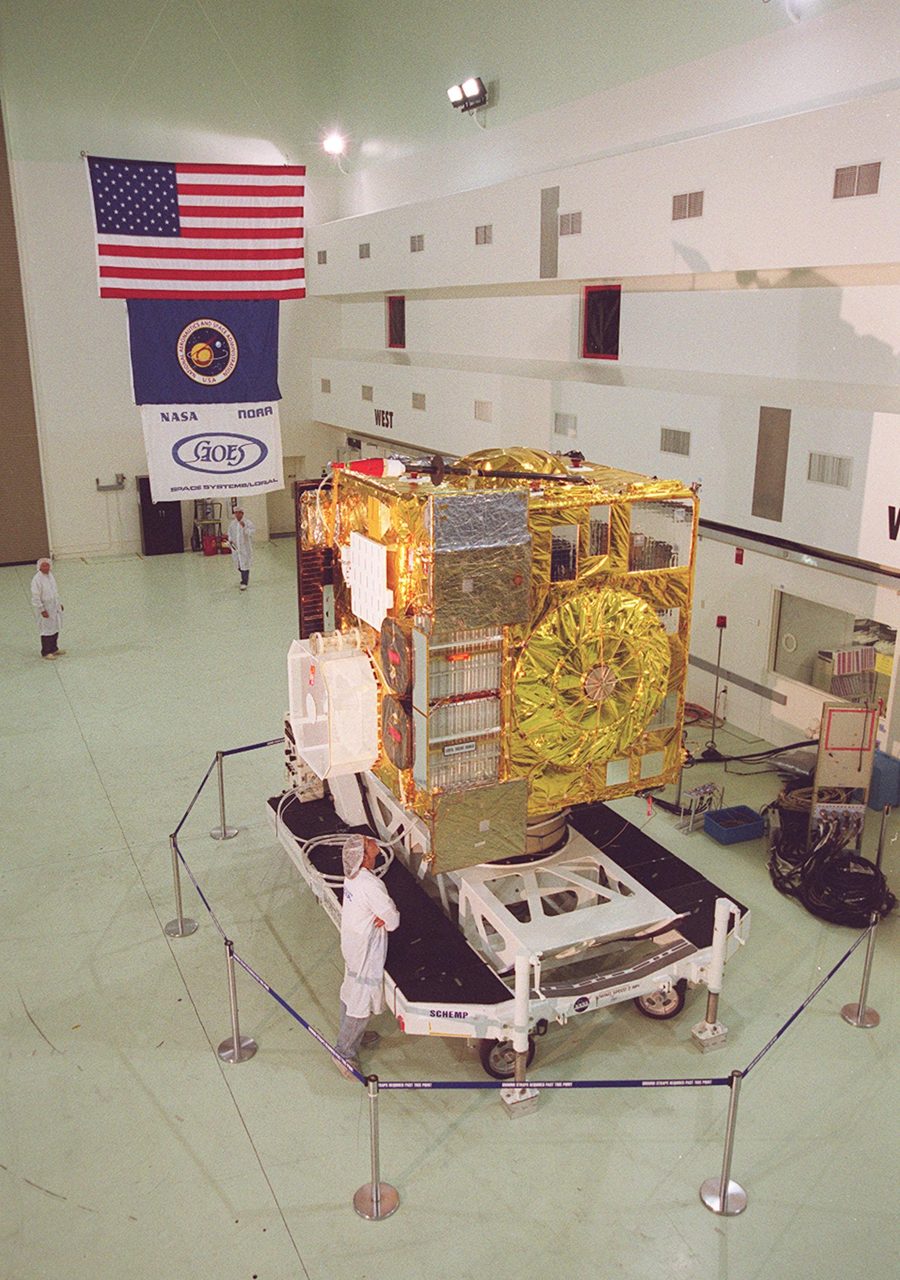
GOES-19: the weather watch at 35,786 kilometres
Operating as GOES East since April 2025, GOES-19 watches Atlantic hurricanes, American thunderstorms and solar activity from a near-fixed position above the equator.

NASA vs ESA vs CNSA: How the Space Agencies Compare
NASA, ESA and CNSA represent different ways of organising space exploration. Their budgets, responsibilities and partnerships matter more than a simple ranking.
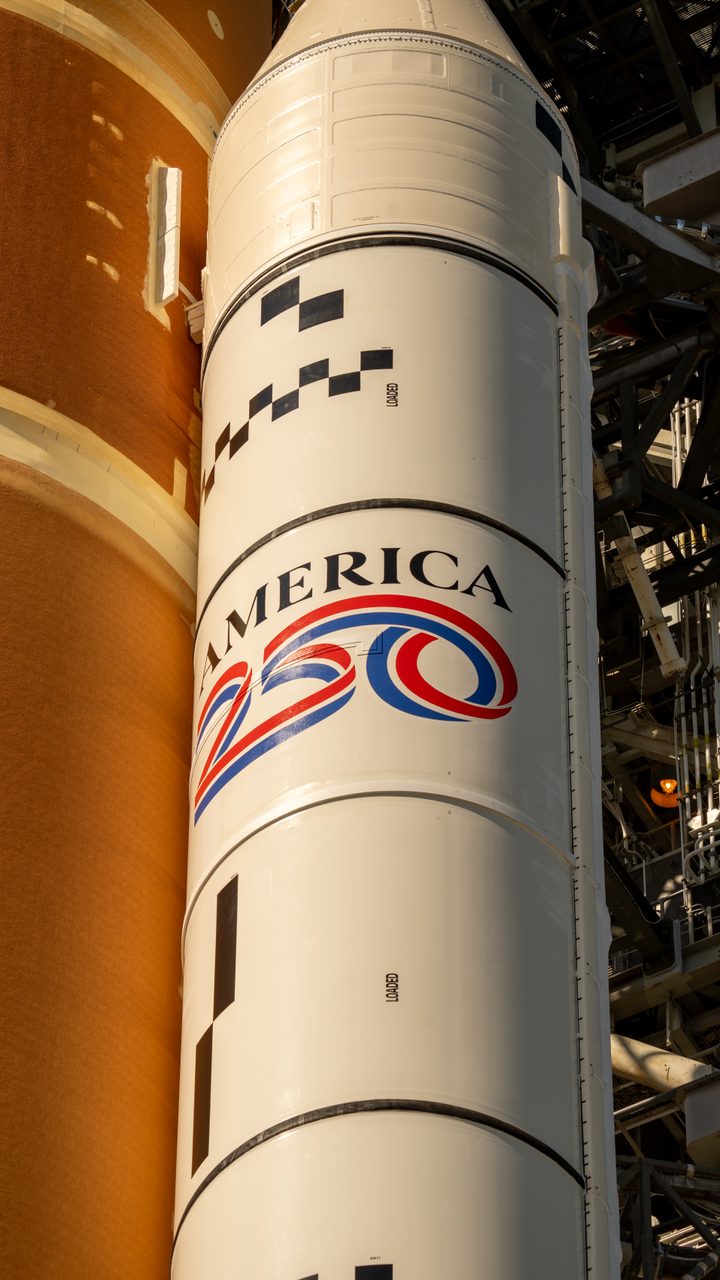
Space Agencies List: Who Runs the World's Space Programmes?
NASA, ESA and CNSA are part of a much wider network of space organisations. Explore who runs national programmes, how responsibilities differ and where private companies fit.
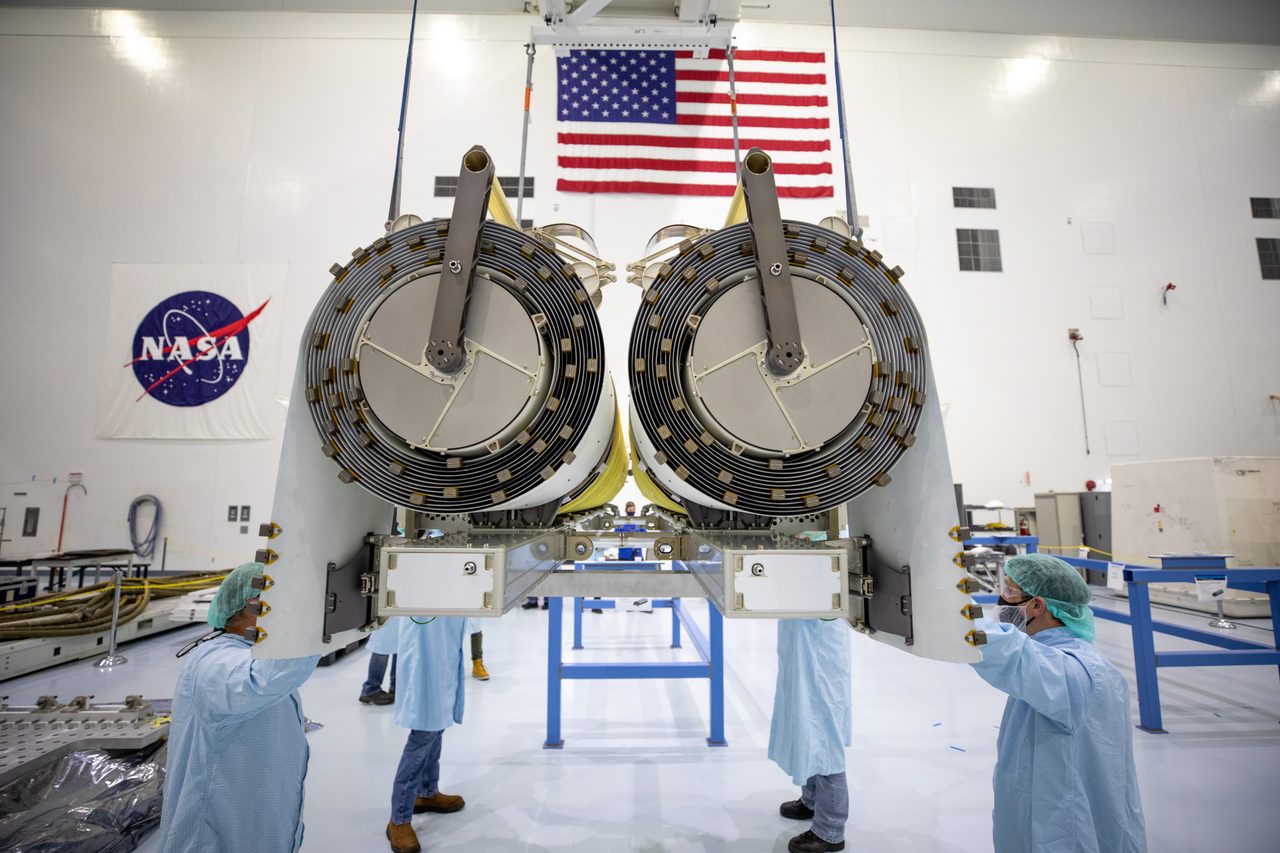
How Do Satellites Get Power? Solar, Batteries and Nuclear
Most satellites turn sunlight into electricity and use batteries in darkness. Explore how spacecraft generate, store and ration power, from Earth orbit to deep space.