Space News Mission Log — Satellite Launches, Orbital Events & Analysis
Daily space news, satellite launch reports, orbital debris analysis and weekly roundups — grounded in live tracking data from our network monitoring 60 published reports.
How Cold Is Space? Why Sunlight and Shade Change the Answer
Deep space has a background temperature of about −270°C, but spacecraft do not simply cool to that temperature. Sunlight, shade and onboard heat change the answer.
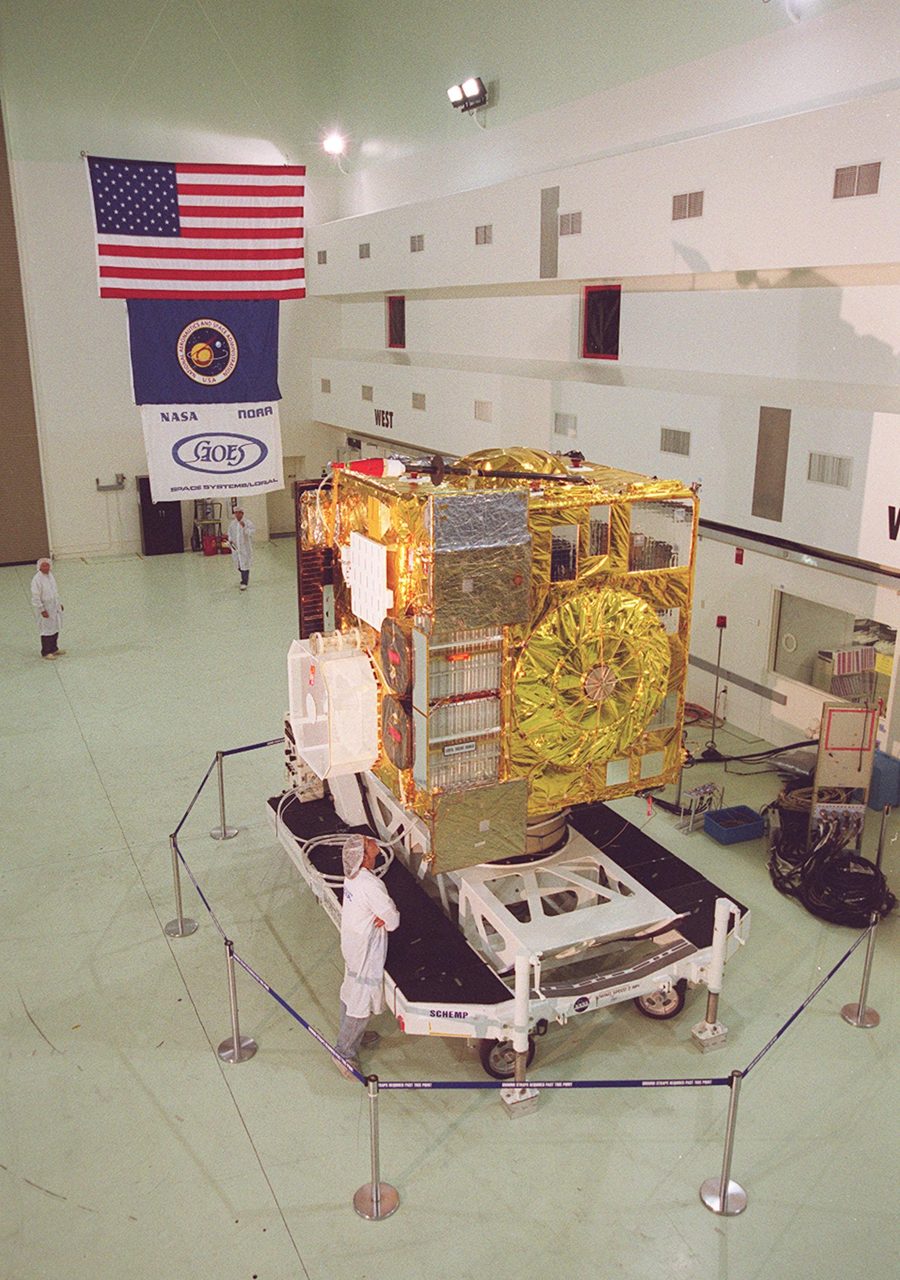
GOES-19: the weather watch at 35,786 kilometres
Operating as GOES East since April 2025, GOES-19 watches Atlantic hurricanes, American thunderstorms and solar activity from a near-fixed position above the equator.
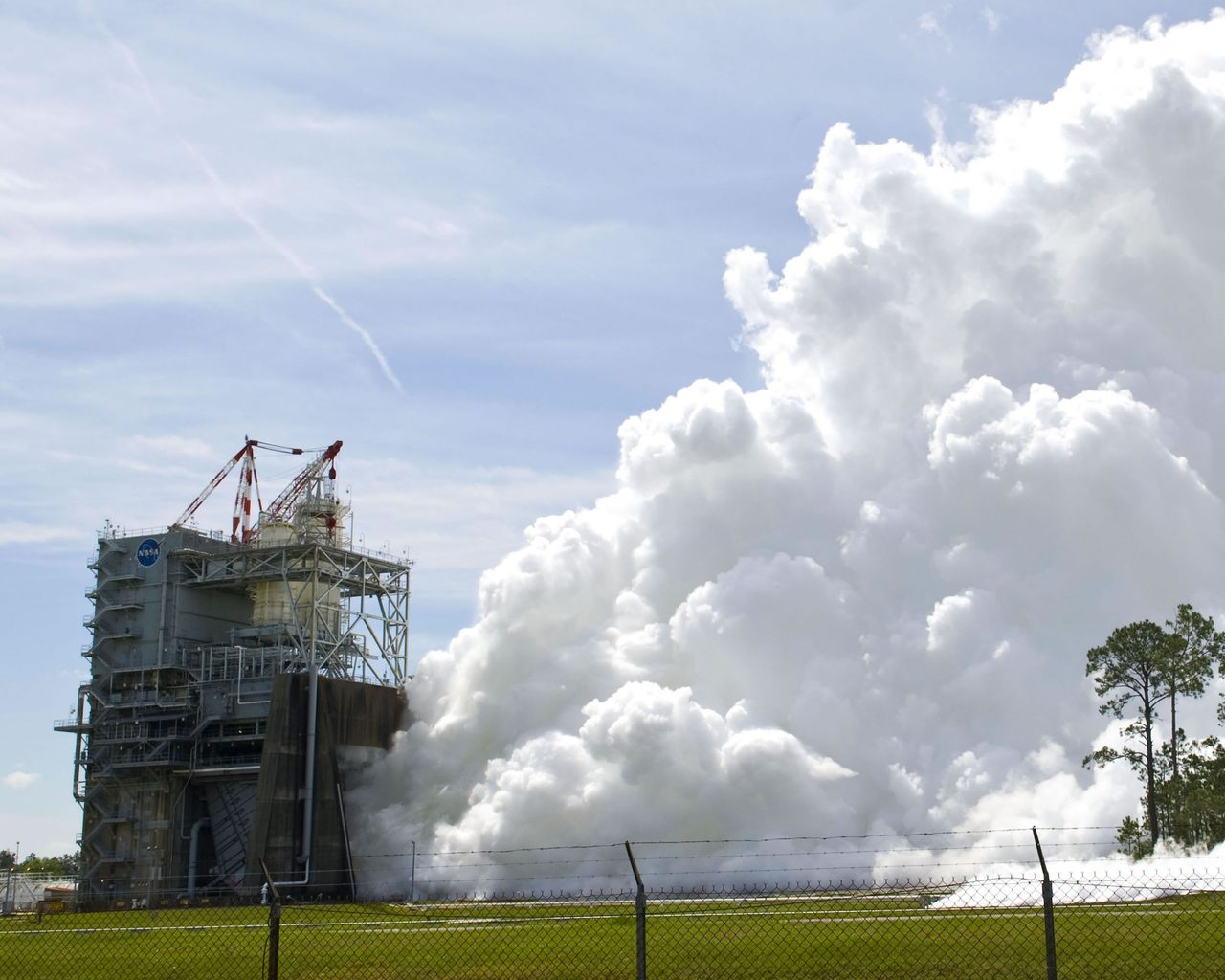
Types of Rocket Propulsion: Chemical, Electric and Nuclear
Chemical engines deliver thrust, electric thrusters conserve propellant, and nuclear concepts offer different trade-offs. Here is how mission designers choose between them.
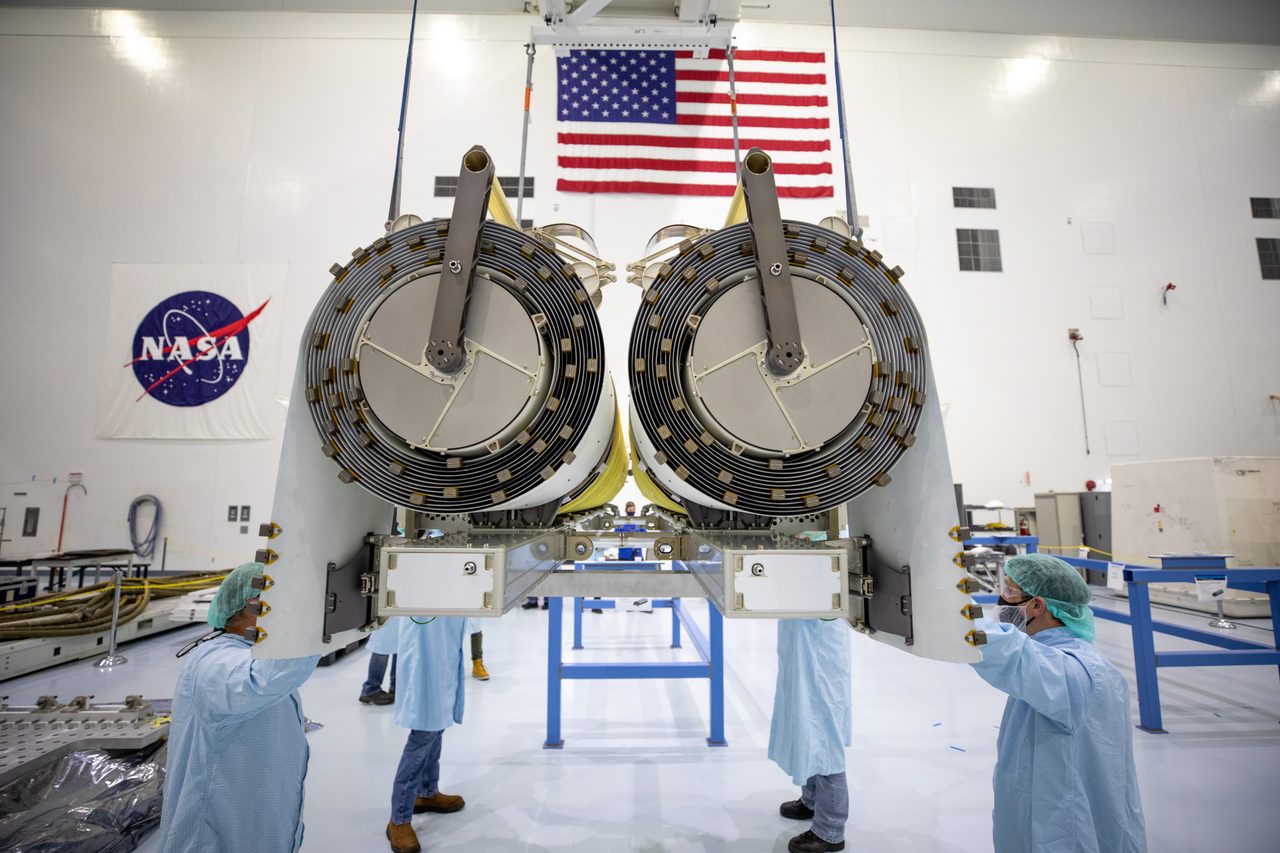
How Do Satellites Get Power? Solar, Batteries and Nuclear
Most satellites turn sunlight into electricity and use batteries in darkness. Explore how spacecraft generate, store and ration power, from Earth orbit to deep space.
18 close approaches tracked: Orbital Briefing, 26 October
A roughly 0.63 km satellite approach leads Monday's briefing, alongside quiet space weather, Starlink fleet figures and the next scheduled Falcon 9 launch.
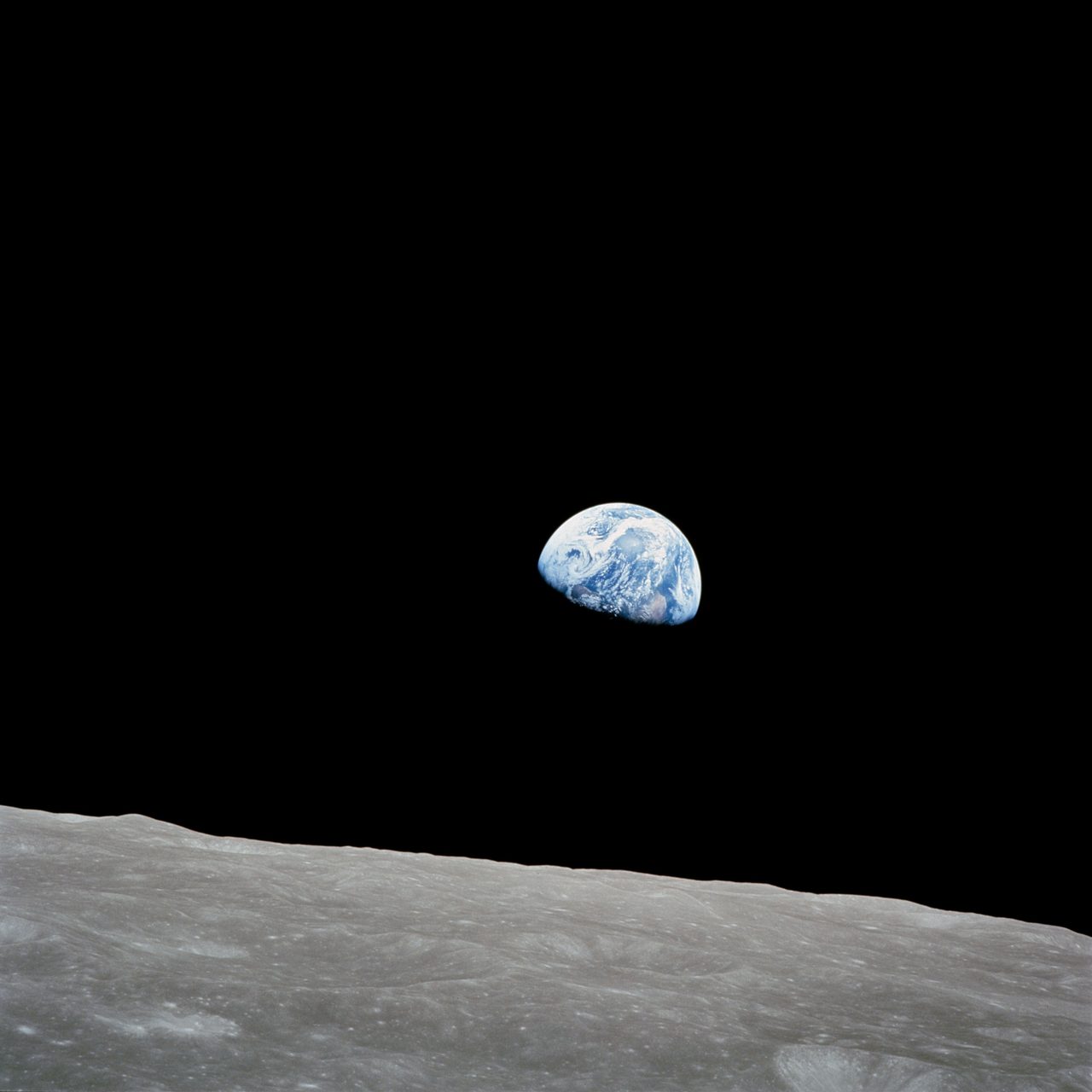
How Long Does It Take to Get to the Moon?
Reaching the Moon can take about three days or several months. The difference lies in the route, the fuel budget and whether a spacecraft must land, orbit or simply fly past.
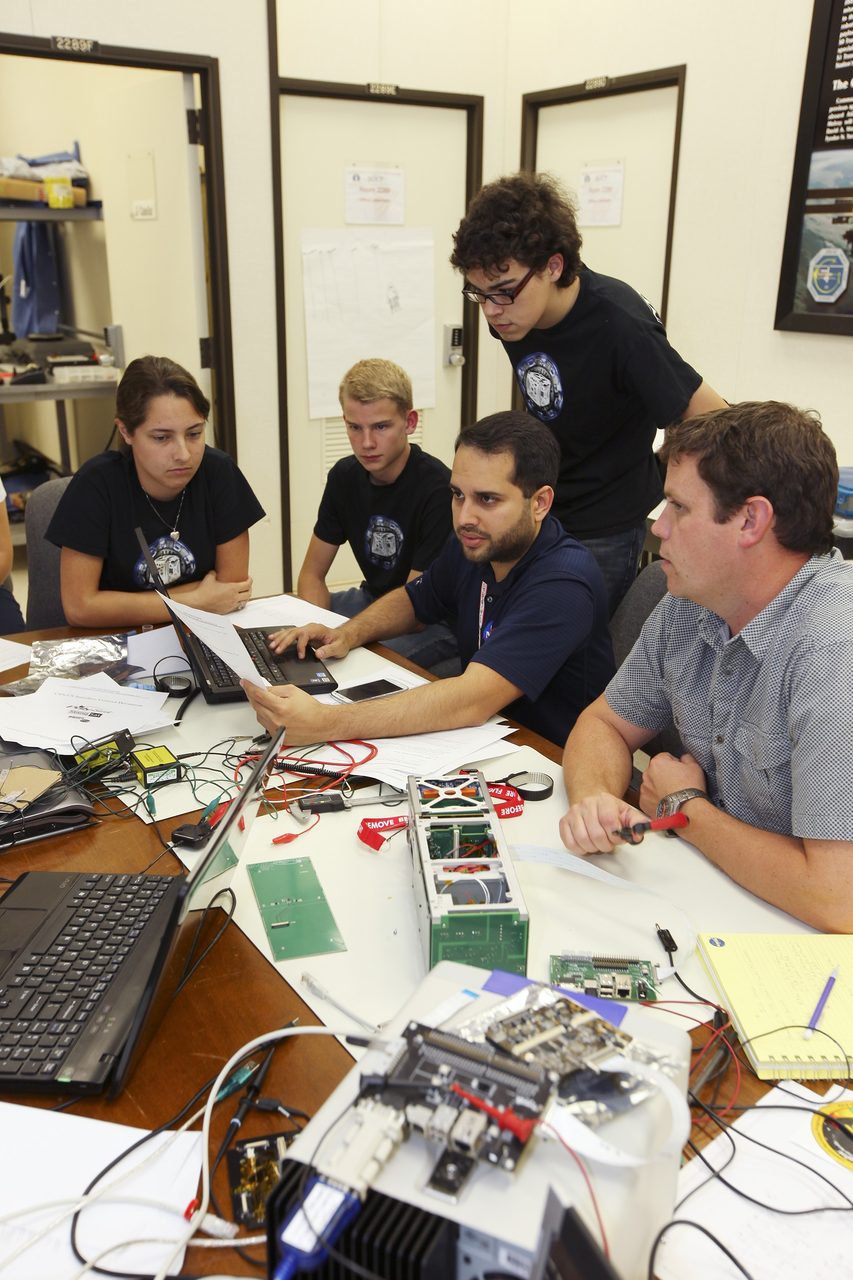
How Are Satellites Tested Before Launch?
Satellites face simulated launch loads and space conditions before flight. Thermal vacuum, vibration and acoustic tests expose faults that could otherwise end a mission.
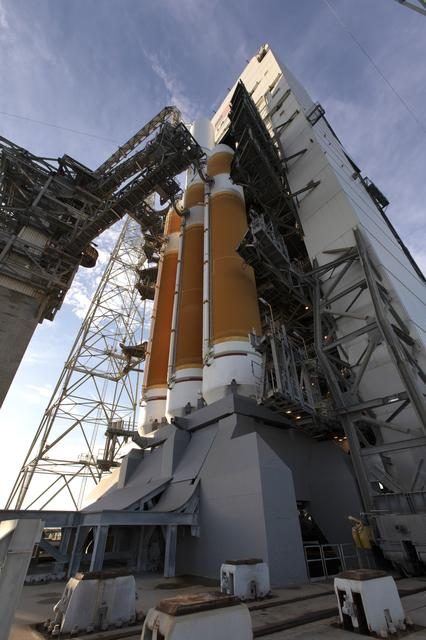
This Week in Orbit: Starship Flight 15 returns to Earth
Starship's first upper-stage tower catch led the week's spaceflight developments, alongside successful launches, close-approach tracking and preparations for further constellation deployments.
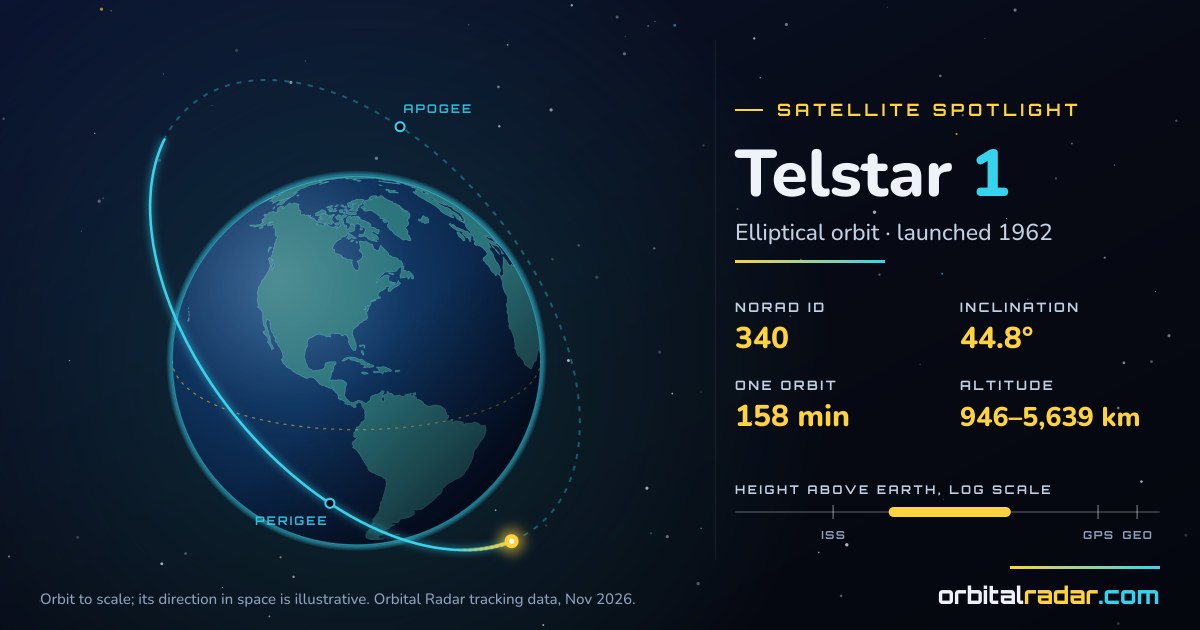
Telstar 1 satellite: live TV, failure and its orbit today
Telstar 1 helped bring live transatlantic television to life, then fell silent after radiation damage. Its working life ended, but the satellite remains in orbit.
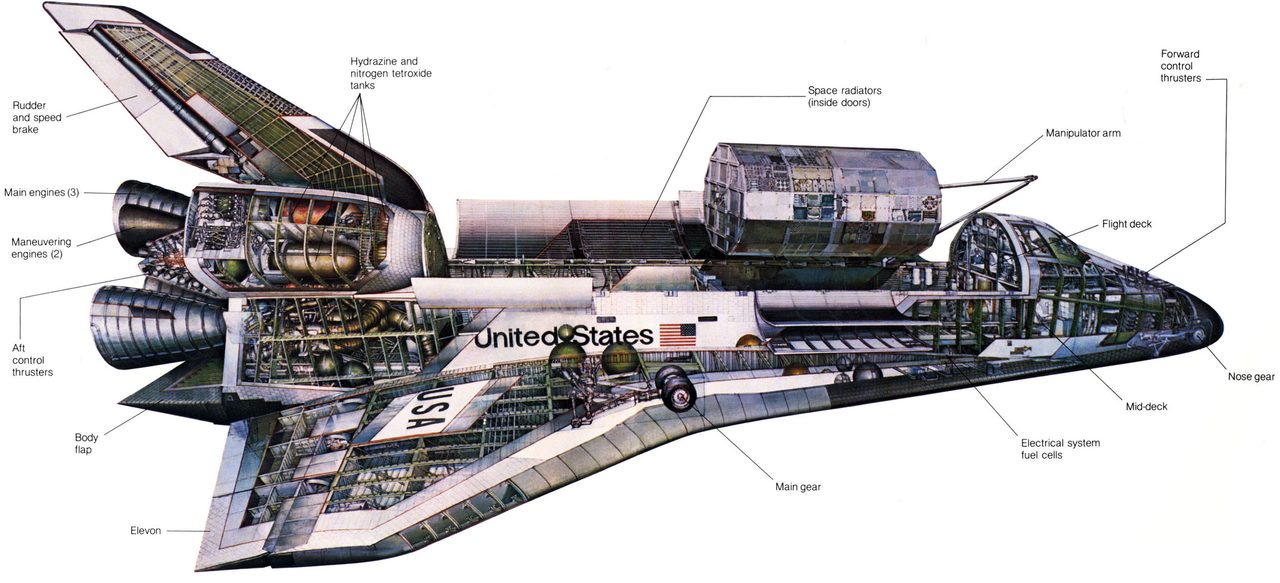
Parts of a Satellite: Systems That Keep It Working
Discover the key components and systems inside a satellite that ensure its operation in space, including power, thermal control, and communication.
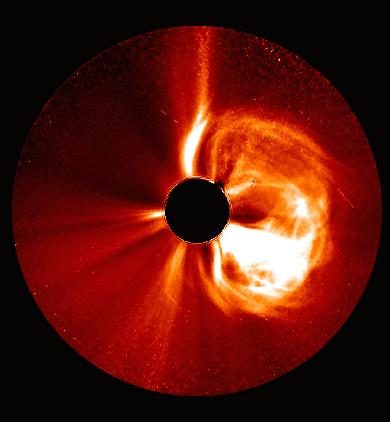
SOHO: the Sun-watching observatory at L1
Stationed around 1.5 million kilometres sunward of Earth, SOHO transformed observations of the solar interior, atmosphere and eruptions — and became an unexpected comet hunter.
Satellite Radio Propagation: Finding the Best Contact Times
A satellite’s position is only part of a successful radio link. Learn how to interpret propagation heatmaps alongside pass predictions, space weather and your station’s limits.