Space News Mission Log — Satellite Launches, Orbital Events & Analysis
Daily space news, satellite launch reports, orbital debris analysis and weekly roundups — grounded in live tracking data from our network monitoring 51 published reports.
Can a Falling Satellite Hit You? The Real Re-entry Risk
A falling satellite can hit someone, but the personal risk is very low. Explore what survives re-entry, documented debris strikes and what forecasts can actually tell you.
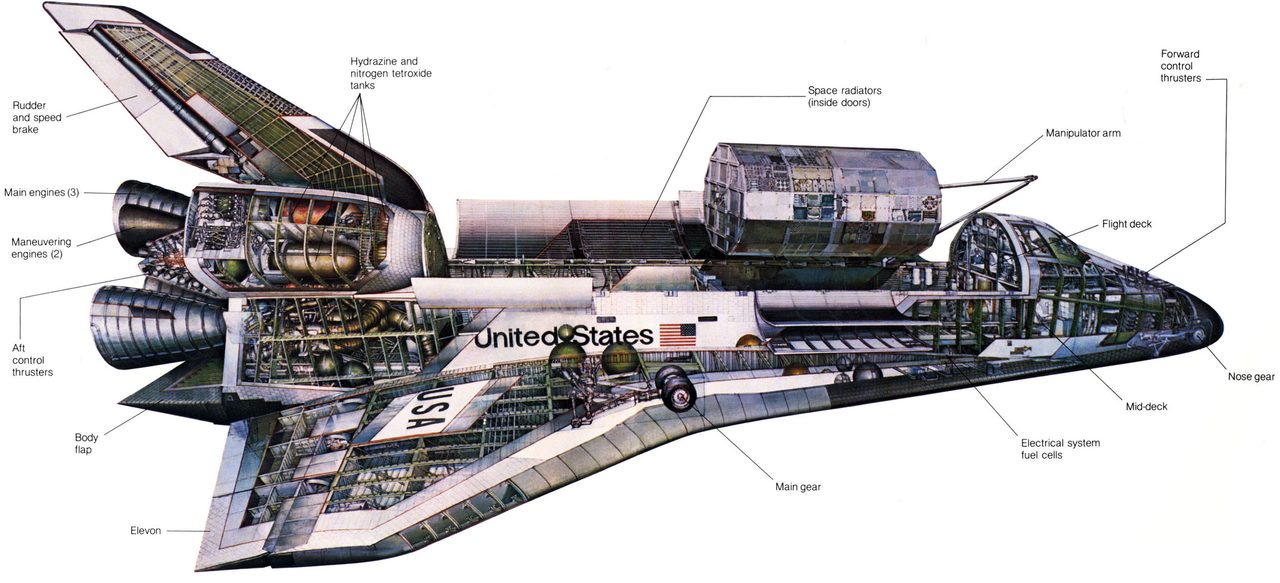
Understanding Uncontrolled Re-entries: Risks and Realities
Uncontrolled re-entry occurs when a satellite or space debris re-enters Earth's atmosphere without precise control, posing potential risks.
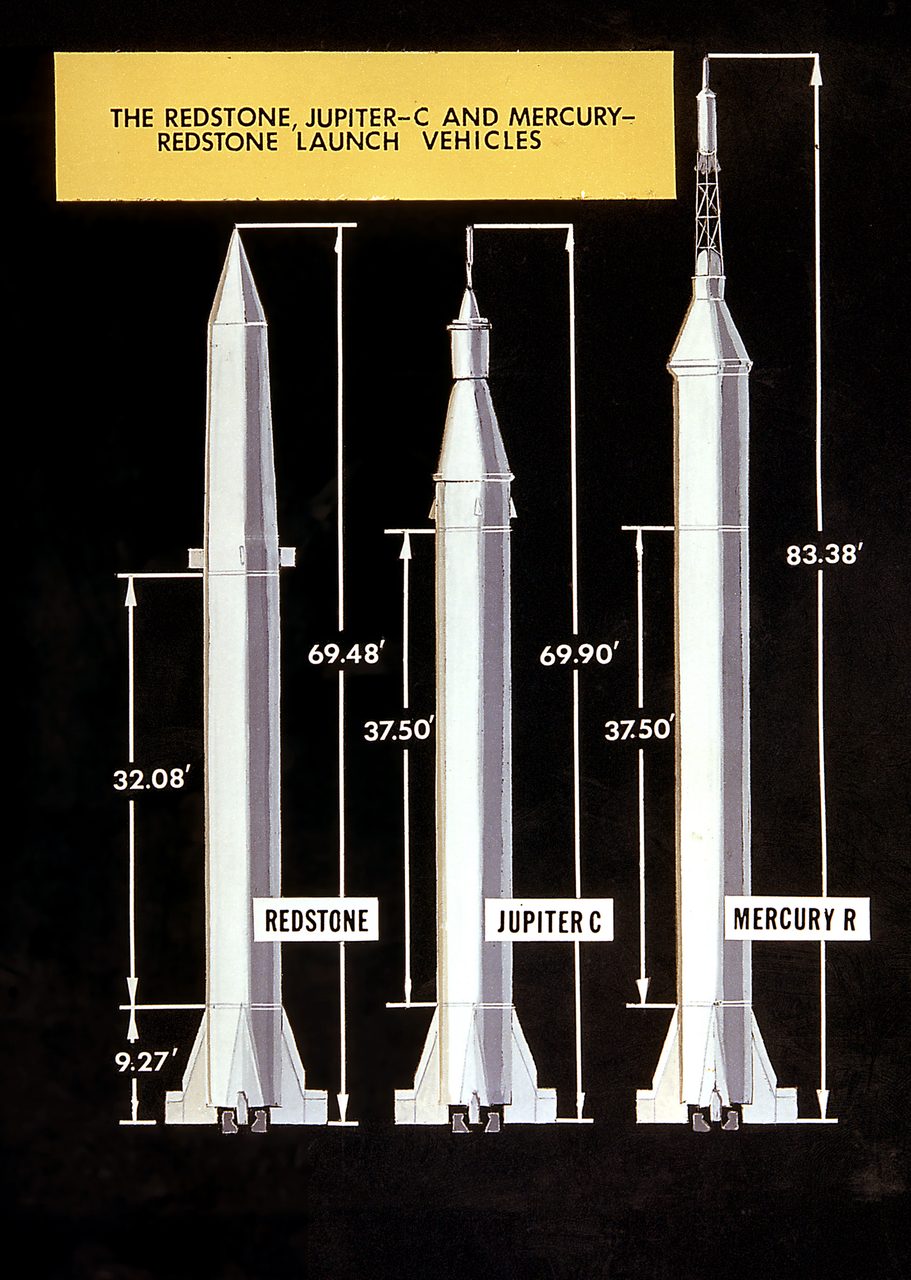
Satellite Re-entry: NORAD 47752 Expected on 9 September 2026
NORAD 47752 is predicted to re-enter Earth's atmosphere on 9 September 2026 at 03:21 UTC. Track it live on Orbital Radar.
Understanding Satellite Re-entry: What Happens When Spacecraft Return to Earth
Satellite re-entry involves a spacecraft descending through Earth's atmosphere, often burning up due to intense heat and friction.
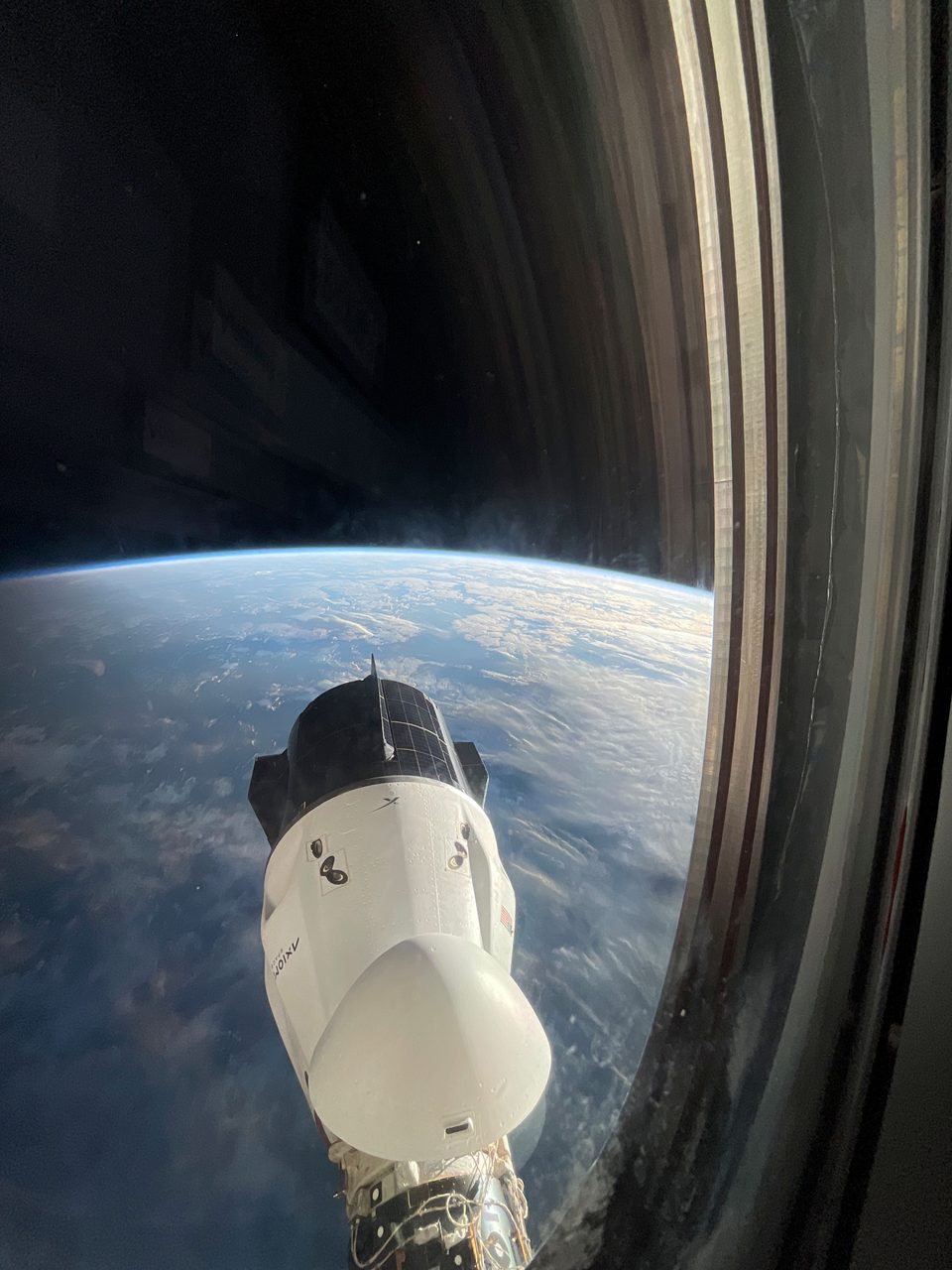
How Do Astronauts Get Back to Earth?
Astronauts return in spacecraft that slow down, survive atmospheric heating and land under parachutes. The journey ends with an ocean splashdown or a touchdown on land.
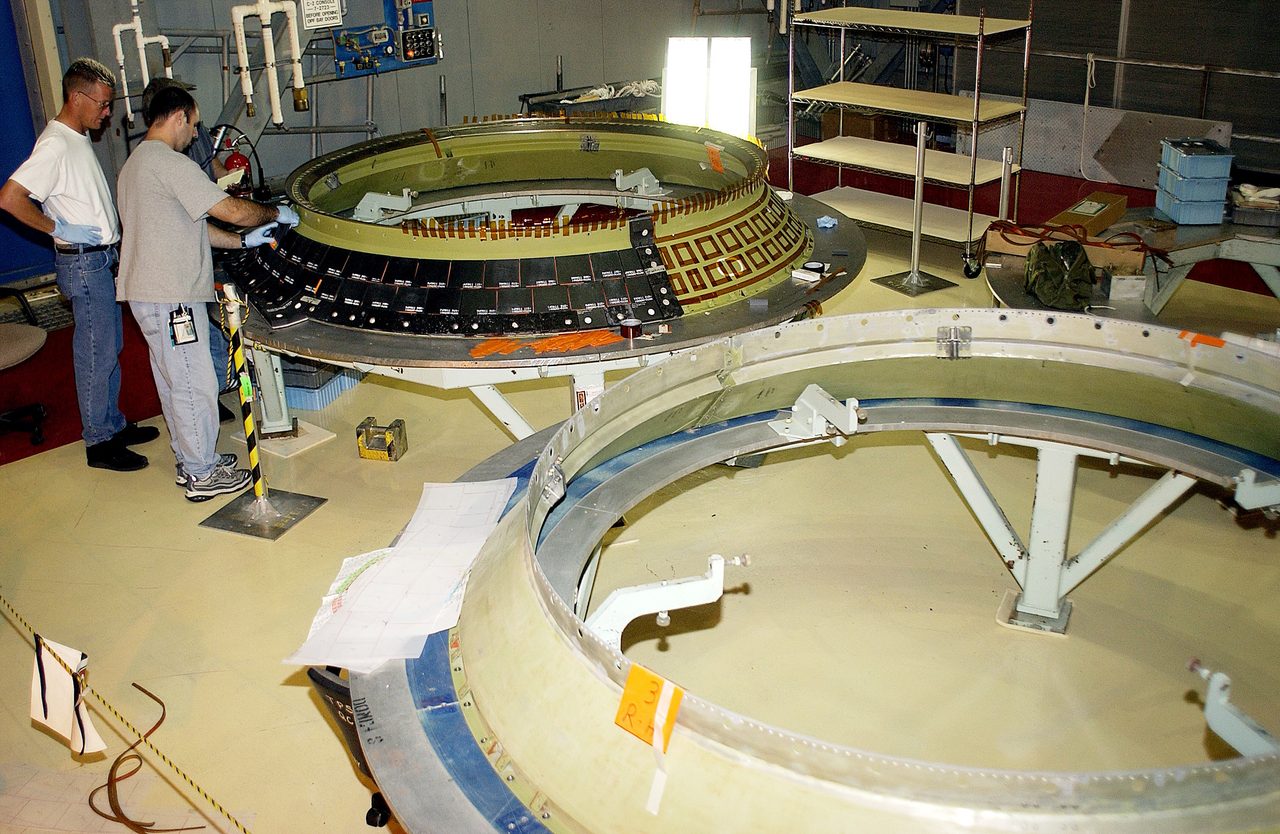
How Many Satellites Reentered This Year? 2026 by the Numbers
Orbital Radar records 673 satellite and payload re-entries in 2026 so far, within 1,119 atmospheric returns across all object types.
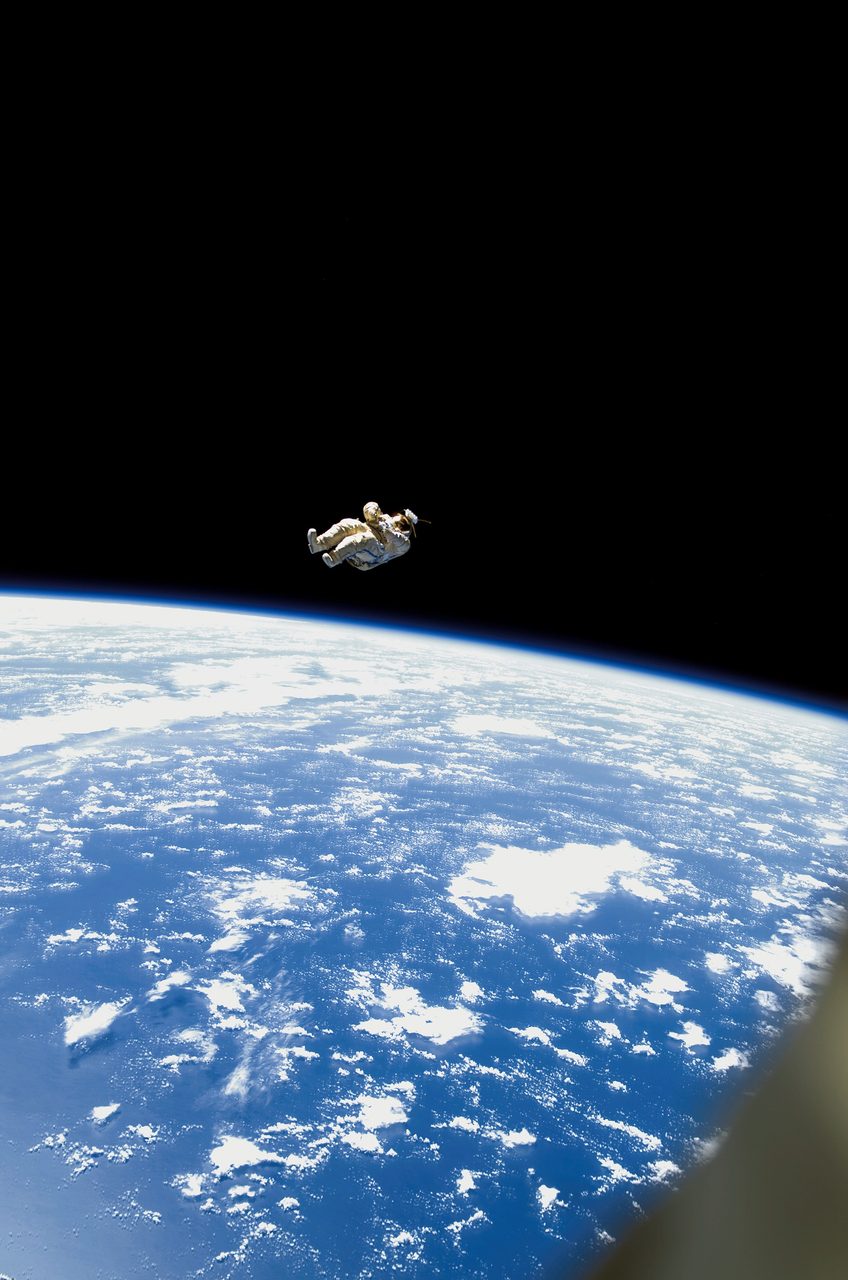
How Many Starlink Satellites Fall Each Day?
1.5 Starlink satellites re-enter Earth's atmosphere each day, according to Orbital Radar data. Explore the reasons behind these controlled re-entries.
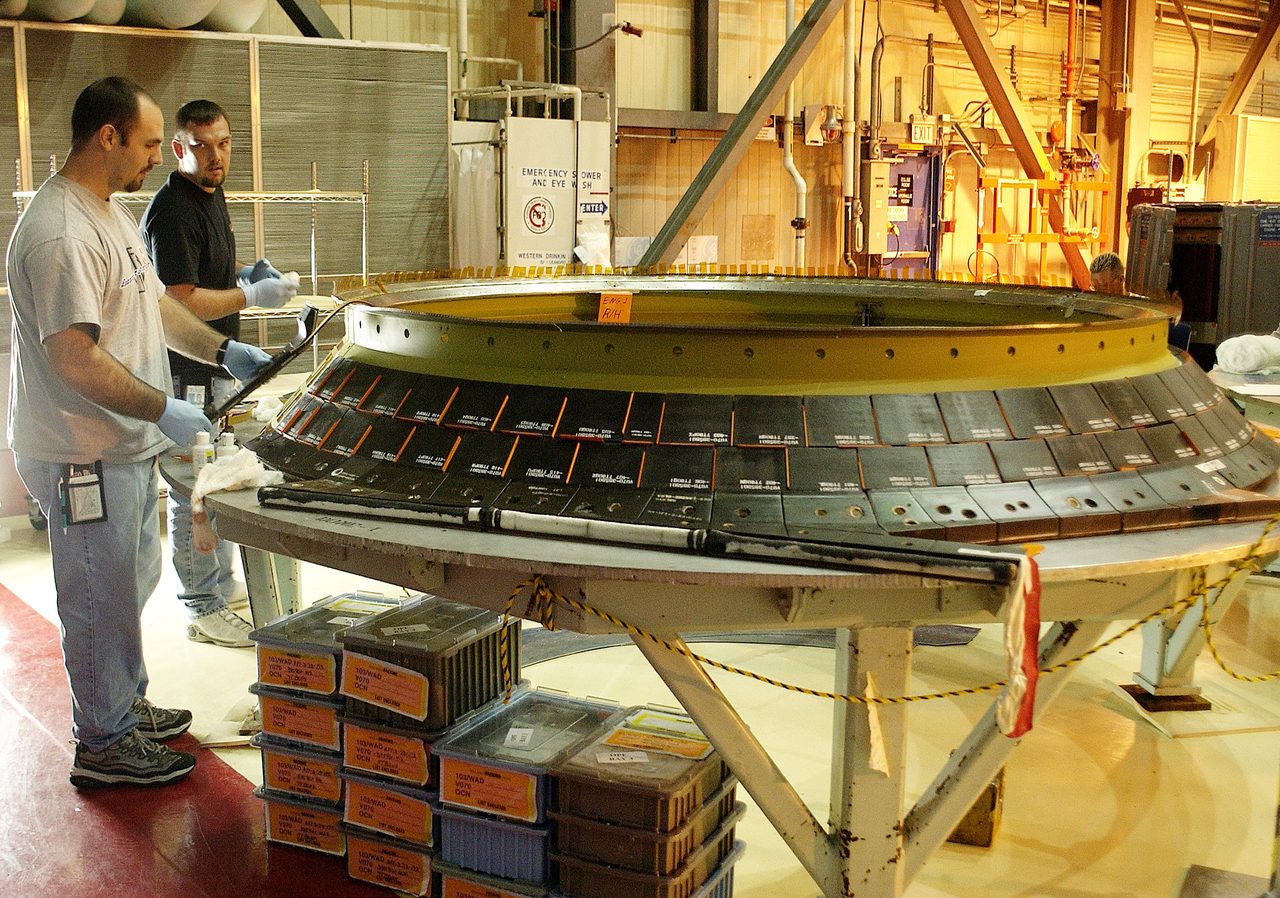
Fireball or Satellite Reentry? How to Tell What You Saw
A brief flash and a slow procession of glowing fragments suggest different origins. Learn which clues matter, which can mislead, and how to investigate your sighting.
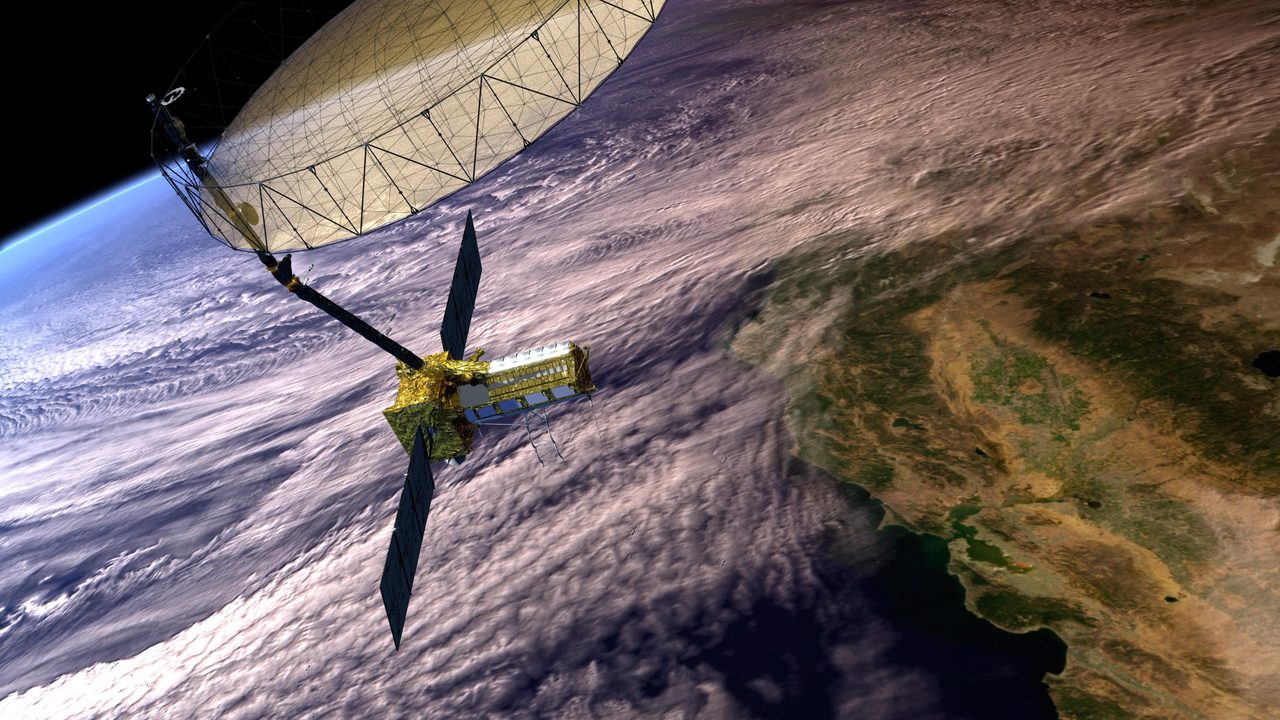
How Many Satellites in Orbit? Counts, Types and Tracking
Earth has 15,870 active satellites, but the wider catalogue includes debris and inactive spacecraft. Here is what the counts mean and how to explore them.
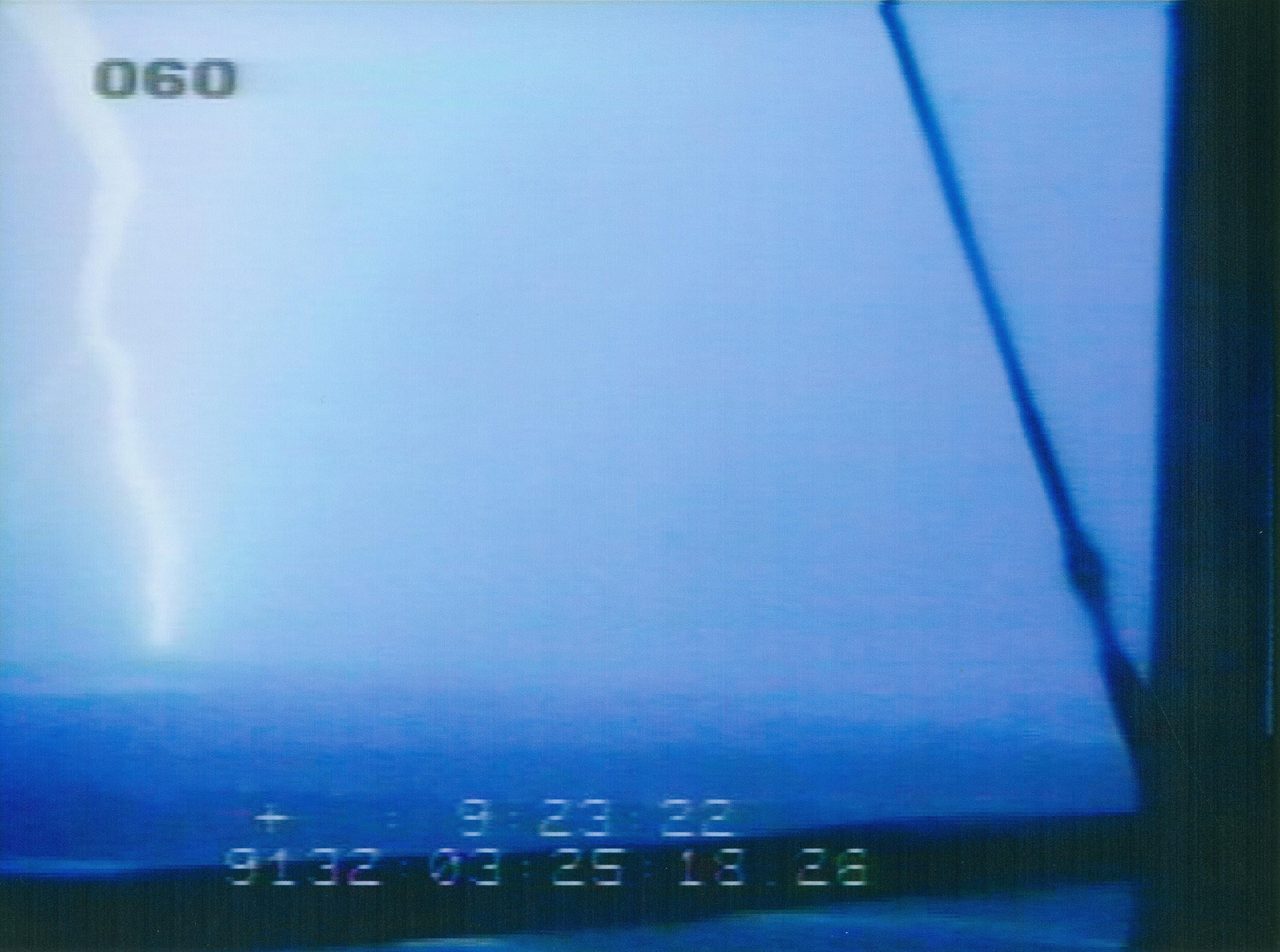
Space Situational Awareness: How We Track Orbital Risks
Space situational awareness turns observations of satellites and debris into warnings. Learn how tracking works, what collision alerts mean and where uncertainty remains.
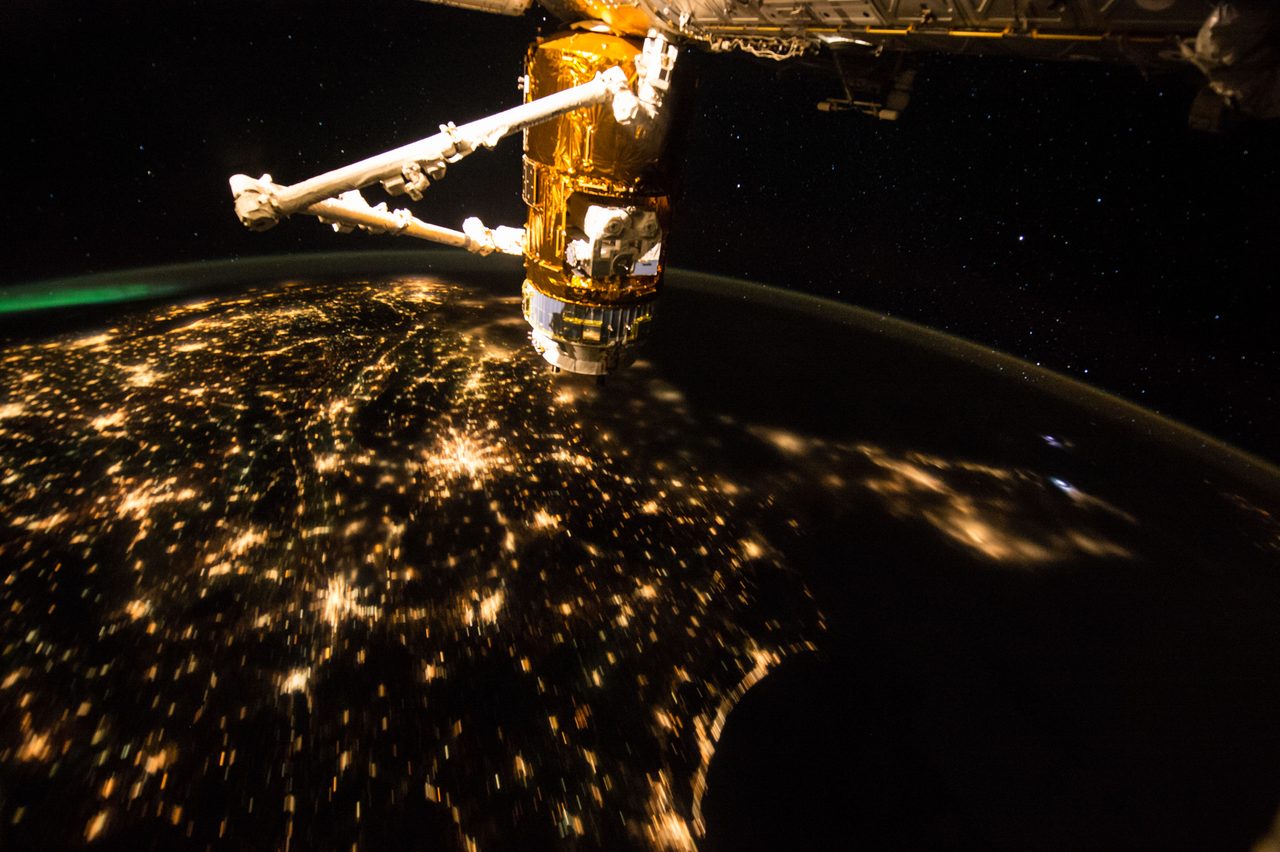
Why Does the ISS Need to Be Reboosted?
Thin air still slows the ISS near 400 km above Earth. Periodic engine burns replace lost orbital energy and keep the station at a useful operating altitude.
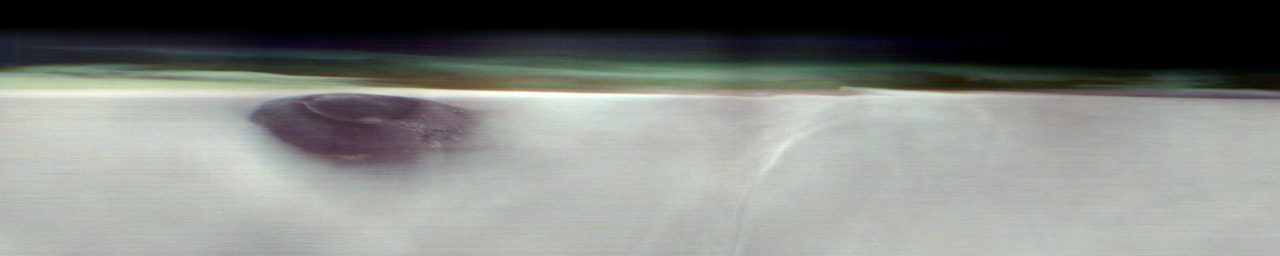
Why Is Landing on Mars So Hard?
Mars has enough atmosphere to threaten an arriving spacecraft, but not enough to land it safely with a parachute alone. Every landing must solve both problems autonomously.