Space News Mission Log — Satellite Launches, Orbital Events & Analysis
Daily space news, satellite launch reports, orbital debris analysis and weekly roundups — grounded in live tracking data from our network monitoring 368 published reports.
Satellite Imagery Explained: How Earth Observation Works
Satellite imagery is the process of capturing images of Earth from orbiting satellites, providing vital data for environmental monitoring, mapping, and more.

Landsat Satellites: Comprehensive Guide to Earth Imaging
Landsat satellites provide critical Earth imagery for monitoring natural resources and environmental changes, revolutionising remote sensing.
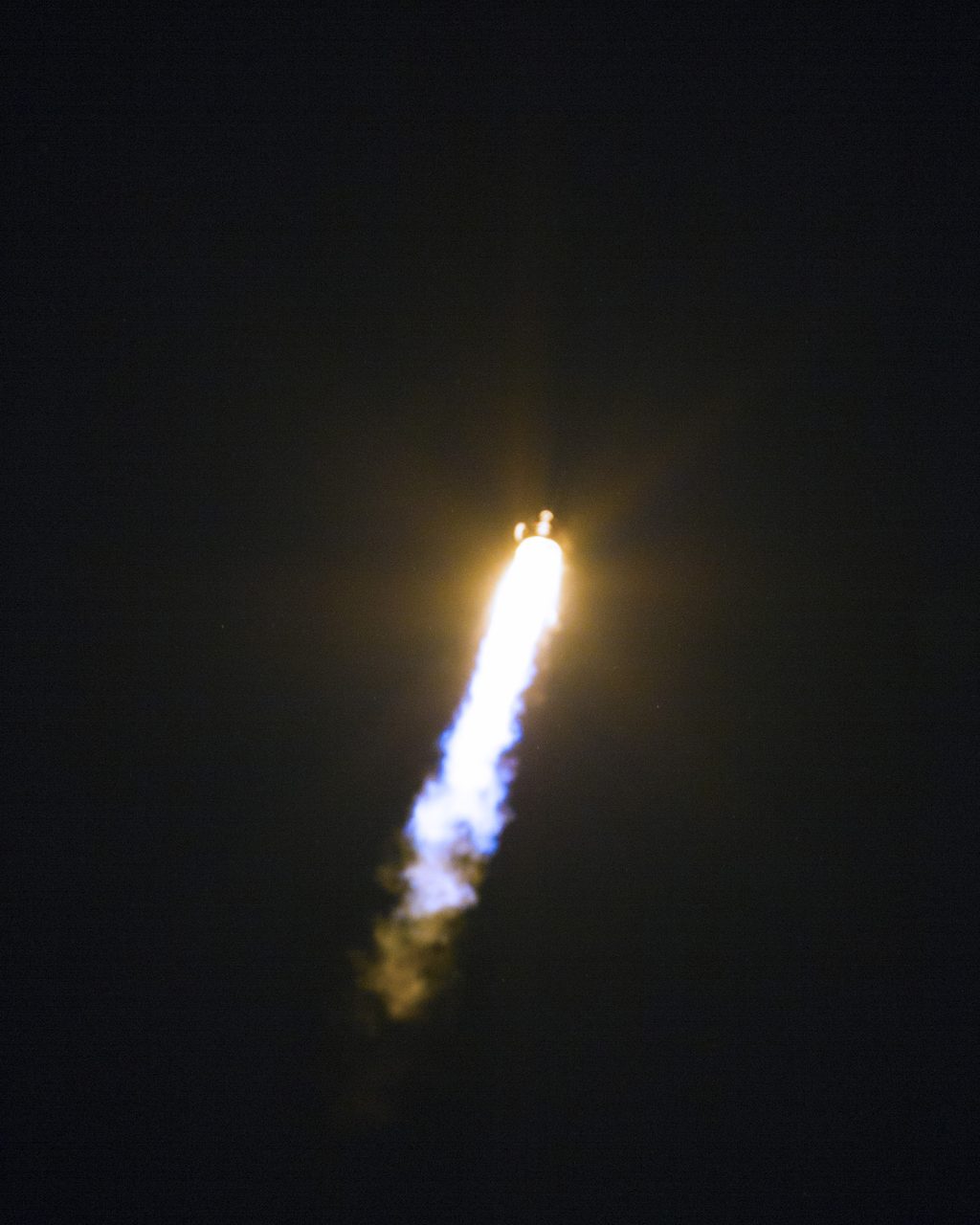
What Is That Moving Light in the Night Sky? Explained
Moving lights in the night sky are often satellites or space debris. Learn how to identify them and understand their movement.

Amateur Radio Satellites: A Comprehensive Guide
Amateur radio satellites enable global communication for enthusiasts. Learn how they work, their benefits, and how to track them.
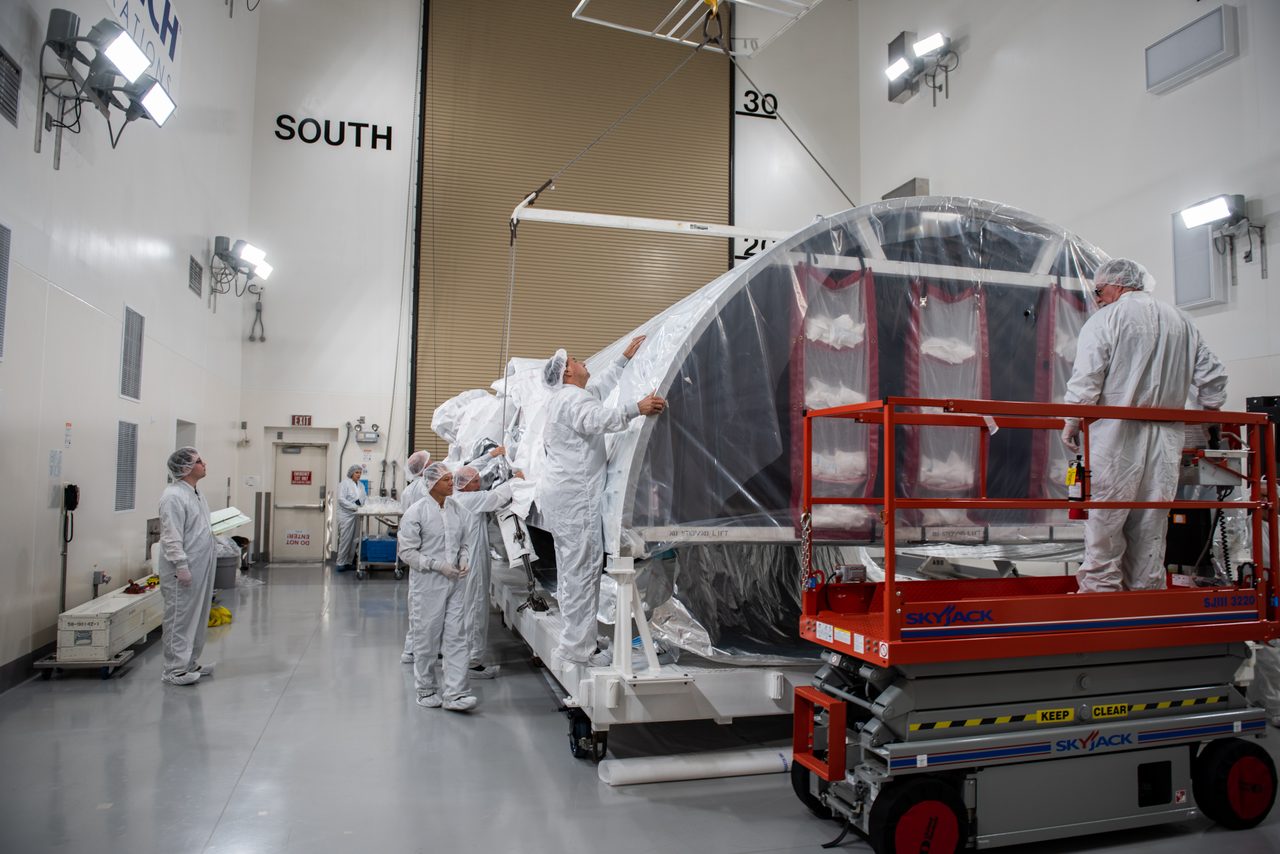
Understanding Polar Orbits: Key Facts and Uses
Polar orbits pass over the Earth's poles, allowing satellites to scan the entire surface. They are crucial for Earth observation missions.
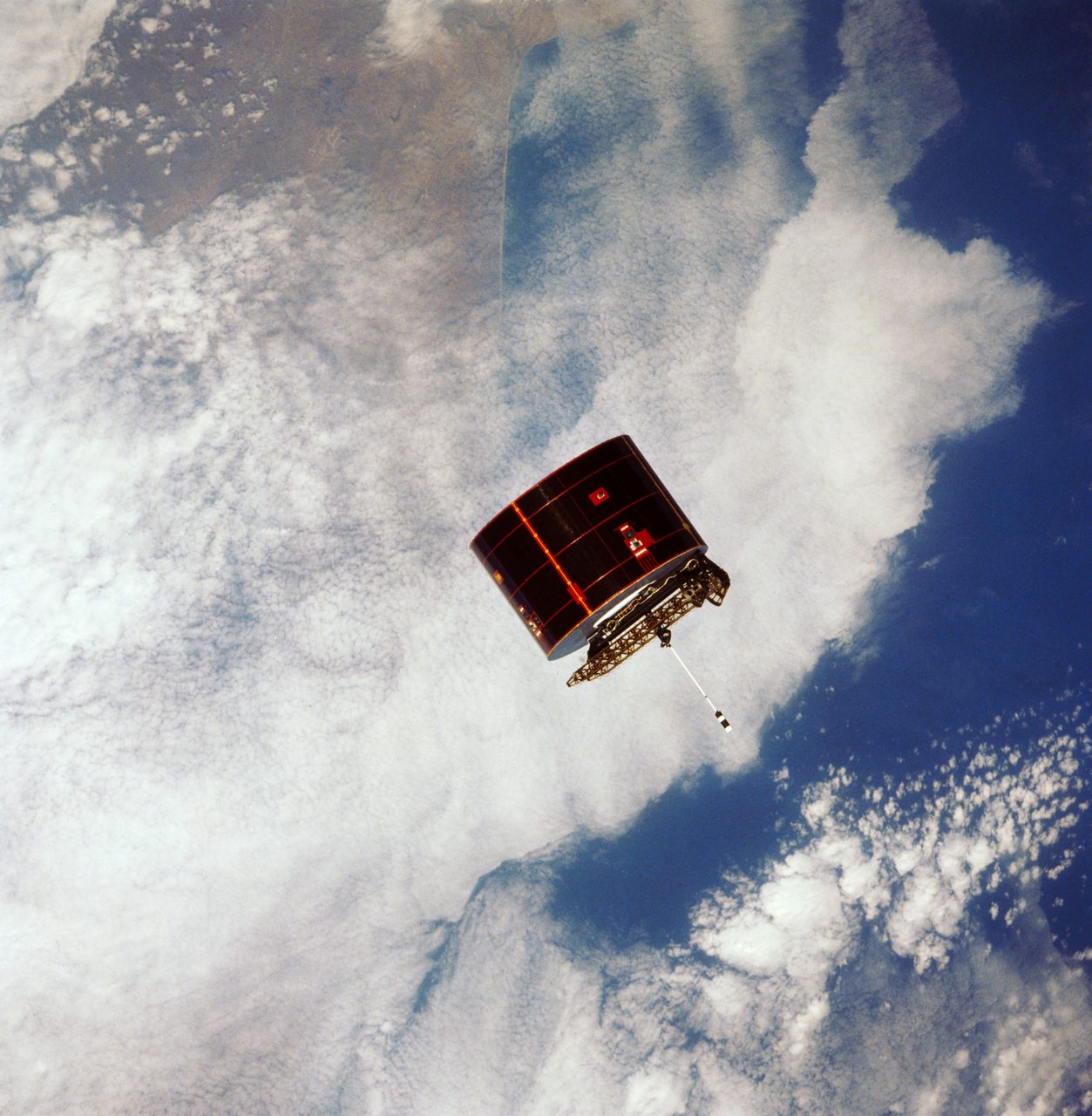
Satellite Manoeuvre Detection: An Authoritative Guide
Satellite manoeuvre detection involves tracking changes in a satellite's orbit to ensure space safety and efficiency.
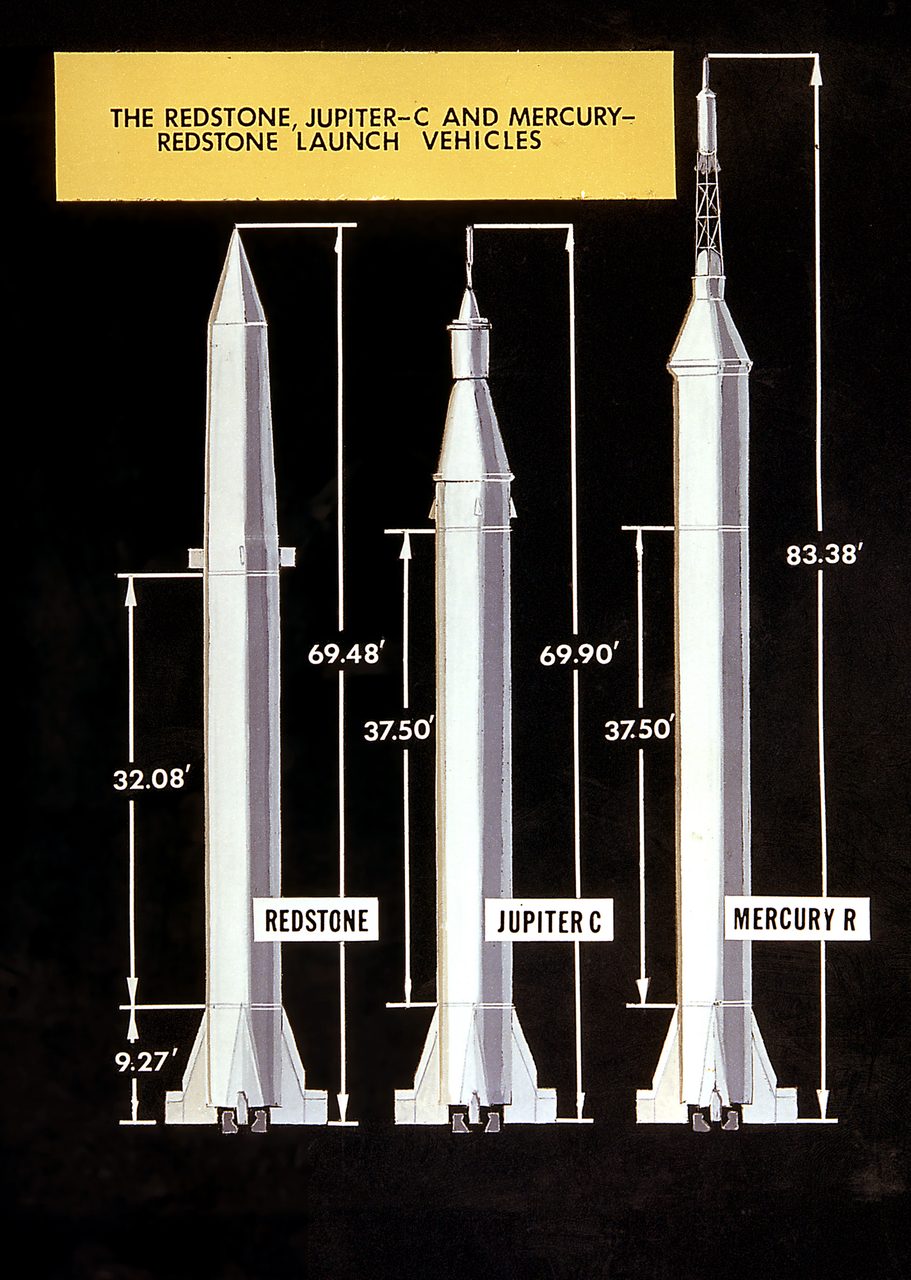
Understanding Satellite Re-entry: What Happens When Spacecraft Return to Earth
Satellite re-entry involves a spacecraft descending through Earth's atmosphere, often burning up due to intense heat and friction.
How to Photograph Satellites: A Comprehensive Guide
Discover how to photograph satellites and the ISS with expert guidance on equipment, timing, and techniques for stunning results.
How Long Do Satellites Last? A Comprehensive Guide
Satellites typically last between 5 to 15 years, depending on their mission and orbit. Factors like orbital decay and technological obsolescence play key roles.
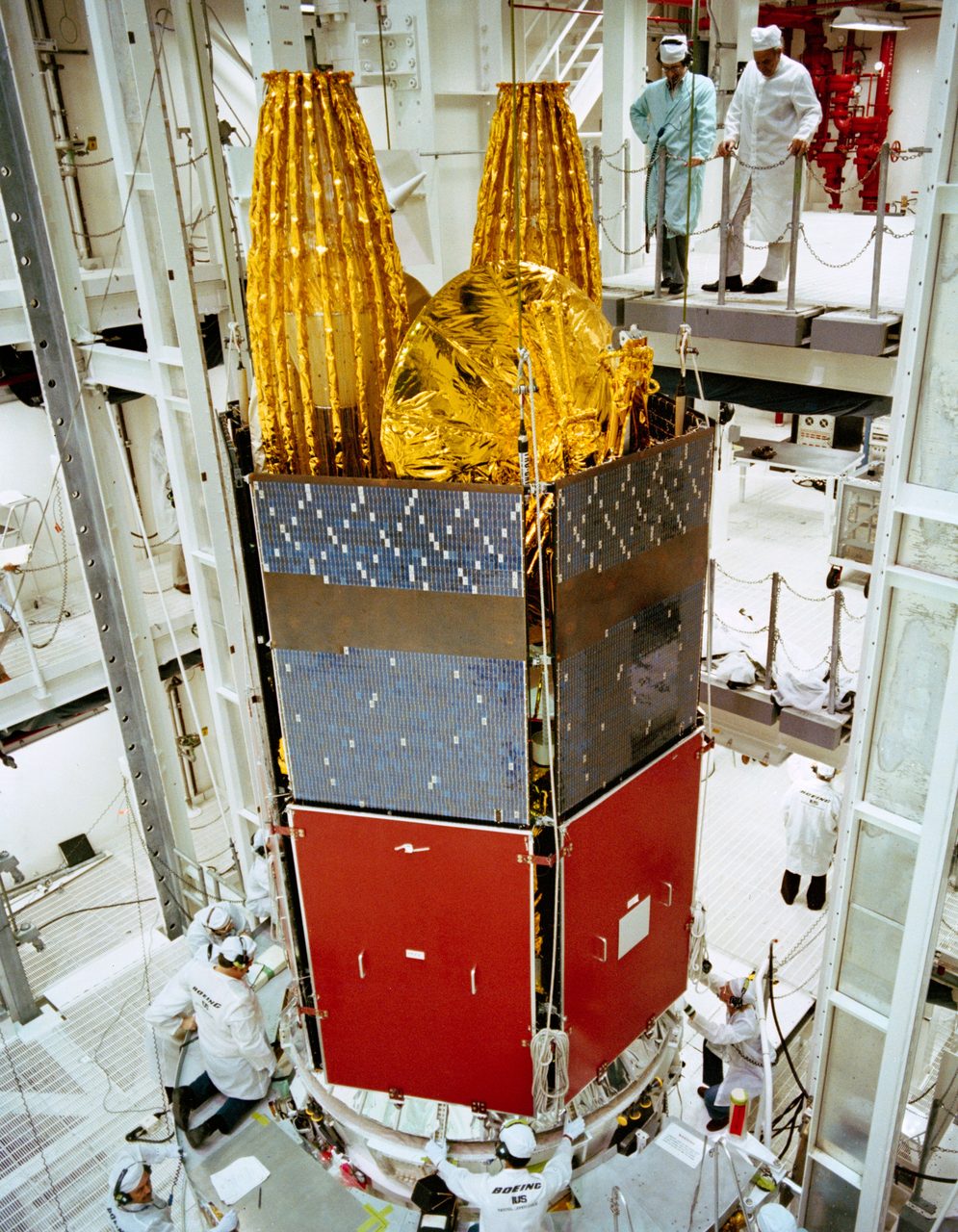
Understanding RAAN: The Right Ascension of the Ascending Node Explained
RAAN, or Right Ascension of the Ascending Node, is an essential orbital parameter that defines a satellite's path relative to Earth's equatorial plane.

How to Distinguish Satellites from Shooting Stars in the Night Sky
Satellites move steadily across the sky, while shooting stars appear as brief, bright streaks. Learn how to identify each.
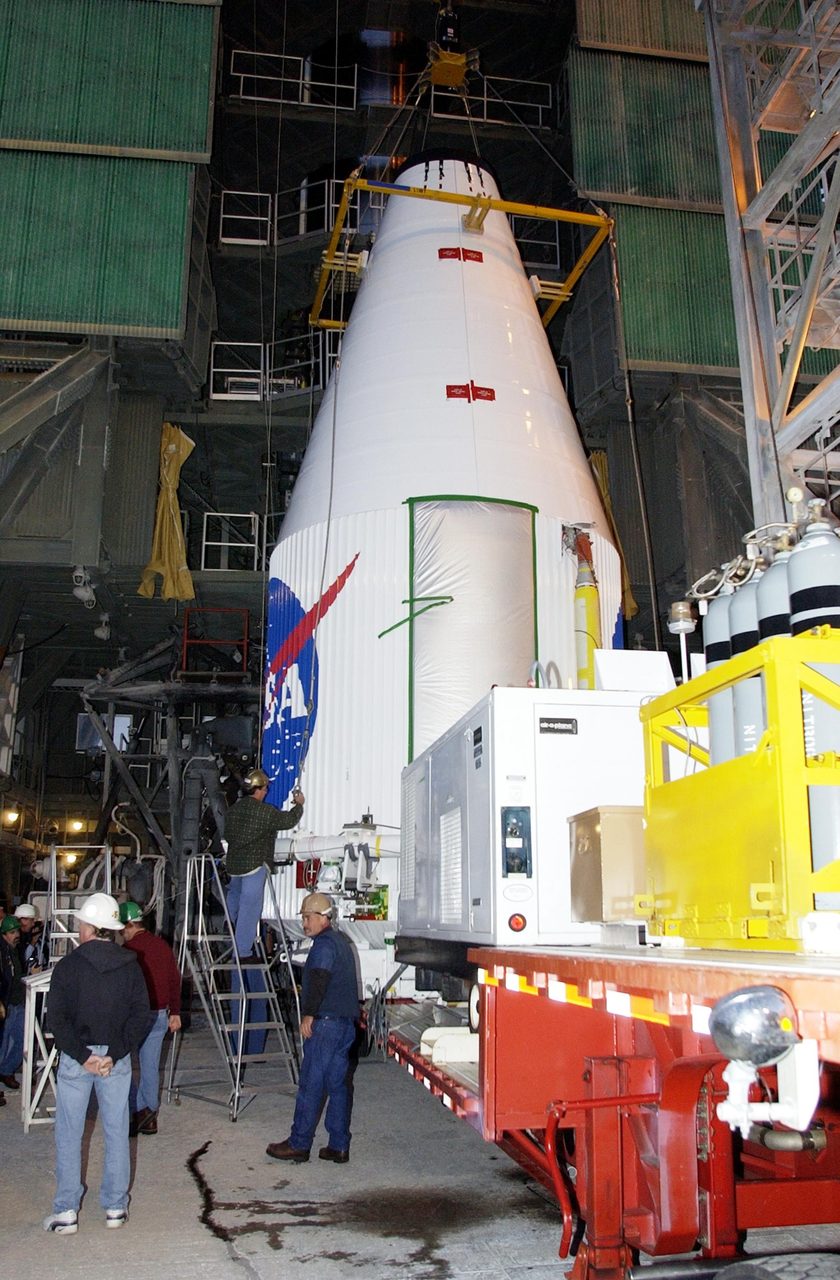
Satellite Ground Stations: The Backbone of Space Communication
Satellite ground stations are vital for receiving data from and sending commands to satellites, enabling global communication and navigation.