Space News Mission Log — Satellite Launches, Orbital Events & Analysis
Daily space news, satellite launch reports, orbital debris analysis and weekly roundups — grounded in live tracking data from our network monitoring 29 published reports.
Satellite Spotlight: COSMOS 1408 — The 2021 Russian ASAT Test Debris Field
COSMOS 1408, also known by its NORAD ID 13552, was a Soviet-era electronic signals intelligence satellite launched on 16 September 1982. It was part of the Tselina-D series, designed to monitor electronic communications and radar emissions from Earth.
How to Spot a Starlink Satellite Train in the Night Sky
Starlink satellite trains can be seen as strings of bright dots moving across the night sky. Learn when and where to look for these formations.

Geostationary Orbit: How Satellites Hover Over One Spot
A geostationary orbit allows satellites to remain fixed relative to a point on Earth, ideal for communication and weather monitoring.
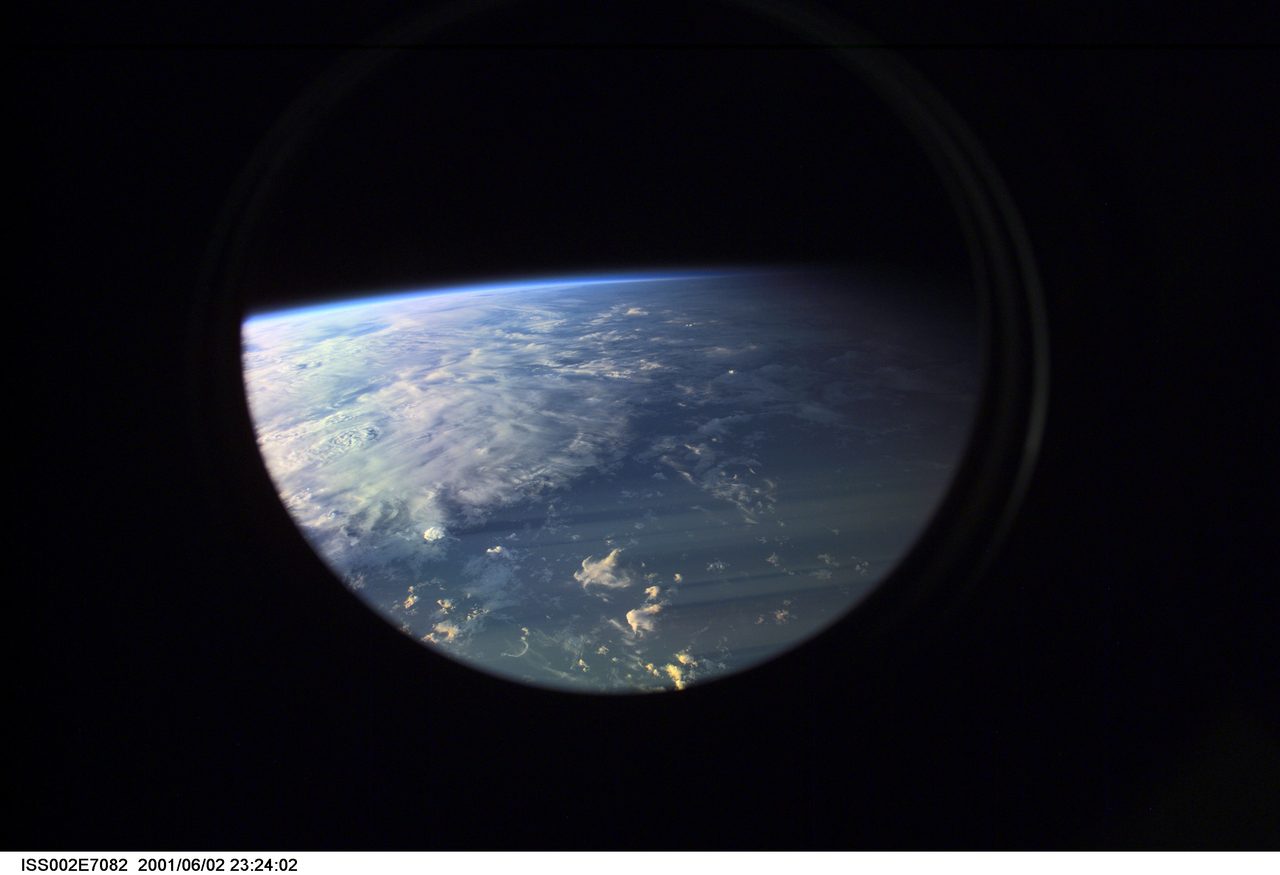
Why Can You Only See Satellites at Night? Twilight Explained
Satellites shine by reflected sunlight, not because night switches them on. The best views come when the ground is dark but the spacecraft overhead remains sunlit.
Moving Light in the Sky: How to Identify What You See
A steady moving light could be a satellite, but motion alone cannot identify it. Use its path, flashing, duration and a predicted pass to narrow down what you saw.
AR Satellite Finder: Identify the Sky with Skylens AR
Point your phone skywards to connect satellite predictions with the view overhead. This guide explains Skylens AR, the science behind satellite positions and how to recognise a visible pass.
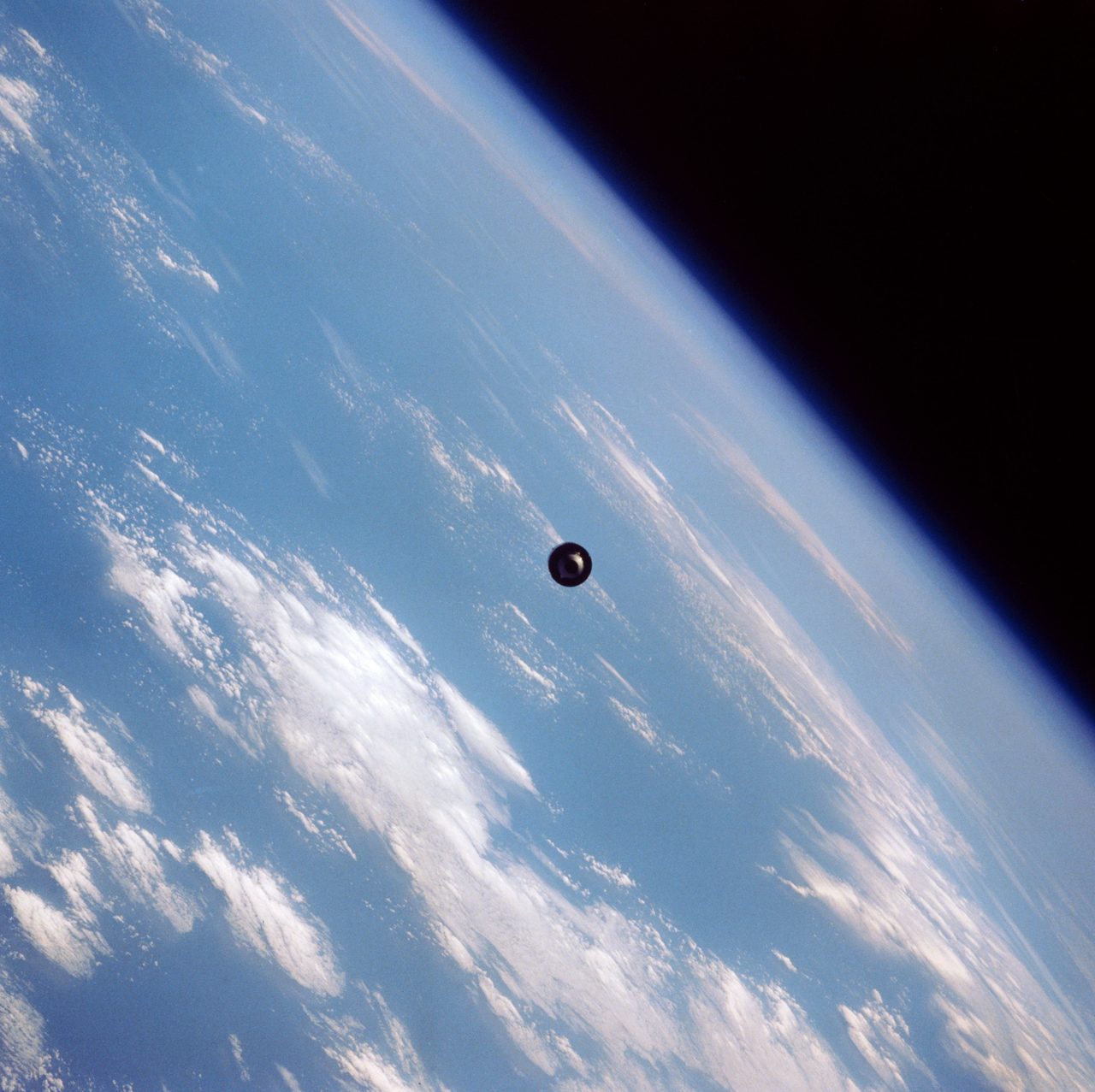
Intelsat: the pioneer that connected continents
Intelsat helped turn geostationary orbit into essential communications infrastructure. Its story runs from Early Bird's transatlantic broadcasts to broadband networks and satellite servicing.
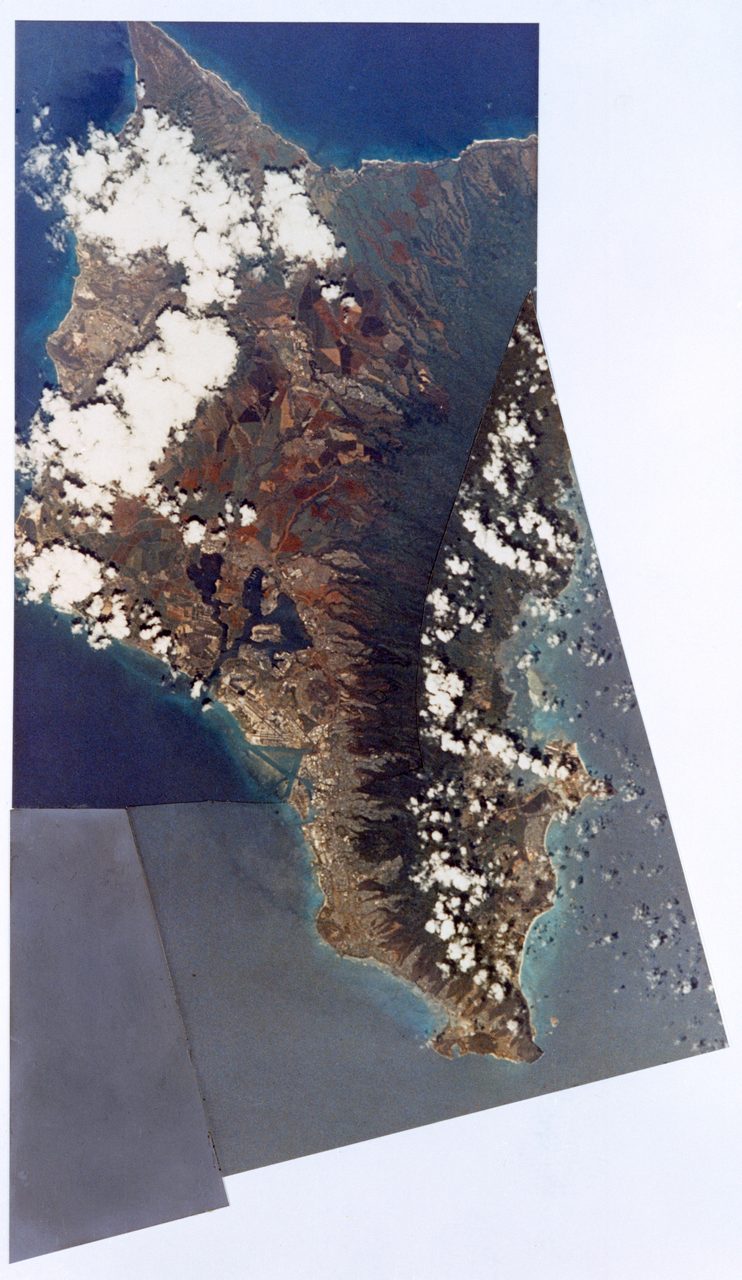
Medium Earth Orbit: Understanding Its Role in Satellite Operations
Medium Earth Orbit (MEO) is a region of space where satellites orbit at altitudes between 2,000 and 35,786 km, crucial for navigation and communications.
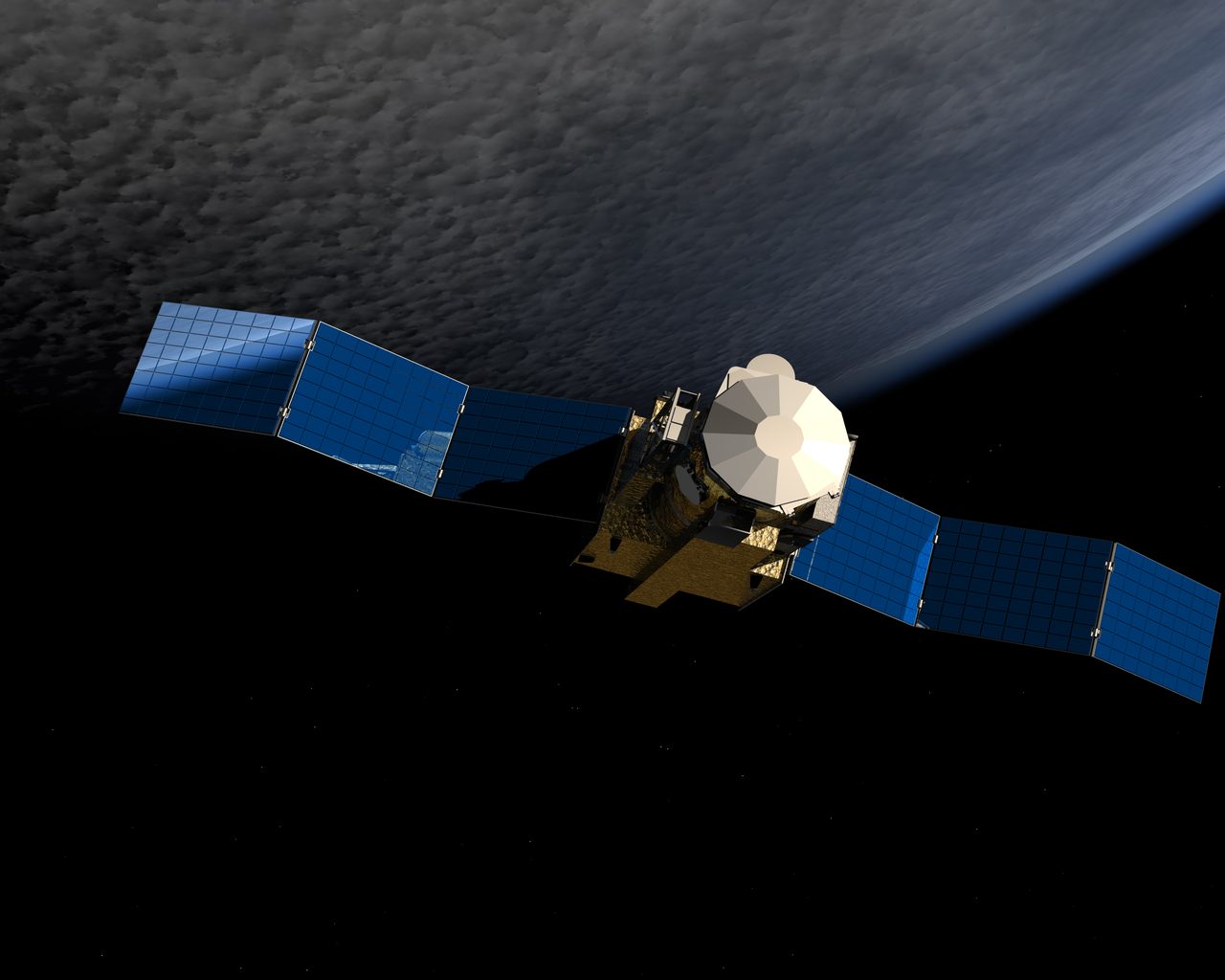
Satellite Maneuver Tracking: How to Read Orbital Changes
Satellite manoeuvres change an orbit, but interpreting them takes more than spotting a new altitude. Learn how to use Orbital Radar’s Maneuver Tracker and distinguish evidence from inference.
Eclipses and Sunspots: A Solar Spectacle Unveiled
A captivating solar eclipse captured in 2012 reveals sunspots and the Moon's silhouette. Discover the science behind eclipses and upcoming celestial events.
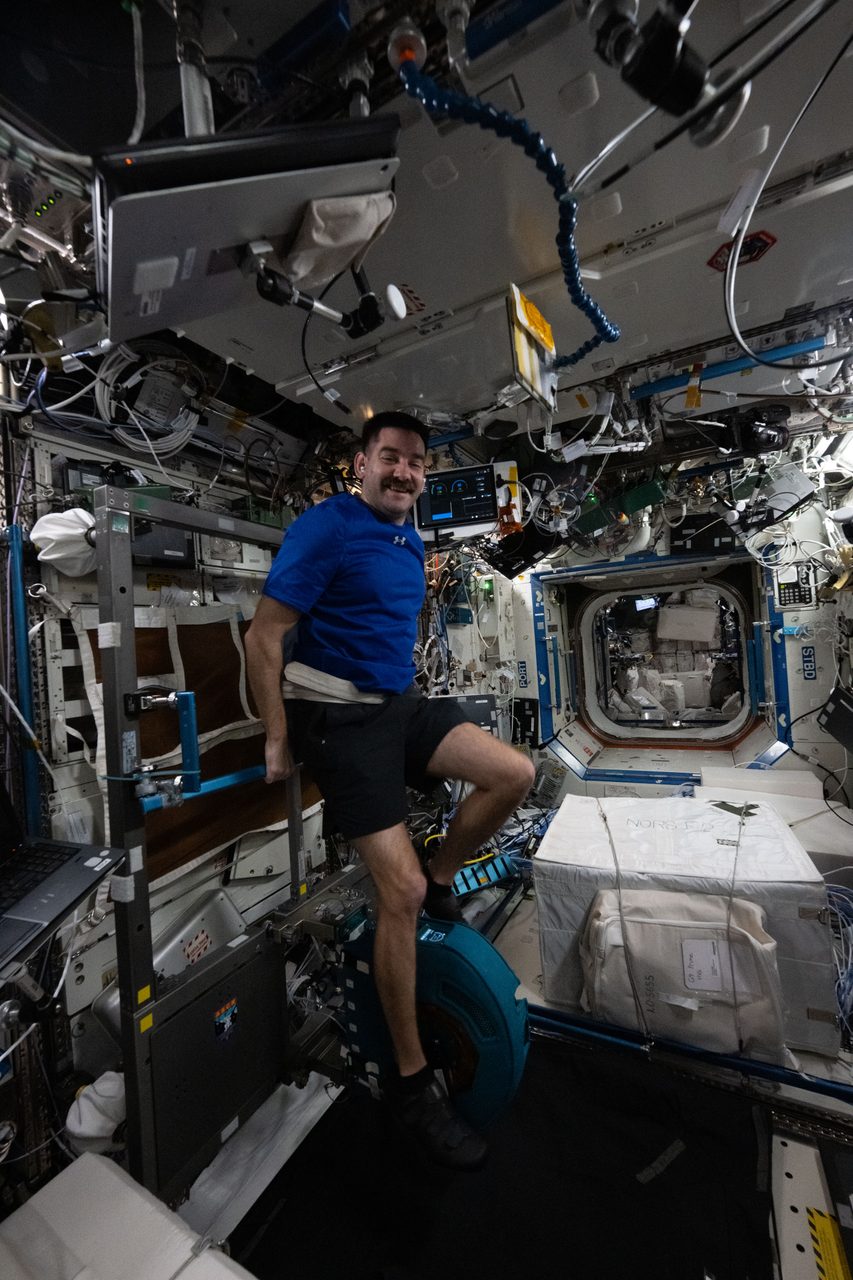
This Week in Orbit: 2026-09-13
This week in orbit saw a rich tapestry of scientific insights and celestial events. A significant development was Japan's Hayabusa2 achieving the first-ever laser ranging experiment with an asteroid, marking a milestone in space exploration.
Saturn's Majestic Moons: A Telescopic Family Portrait
A telescopic image captures Saturn's six largest moons, including Titan and Enceladus, highlighting the planet's rich satellite system.