Space News Mission Log — Satellite Launches, Orbital Events & Analysis
Daily space news, satellite launch reports, orbital debris analysis and weekly roundups — grounded in live tracking data from our network monitoring 14 published reports.
How to Spot a Starlink Satellite Train in the Night Sky
Starlink satellite trains can be seen as strings of bright dots moving across the night sky. Learn when and where to look for these formations.
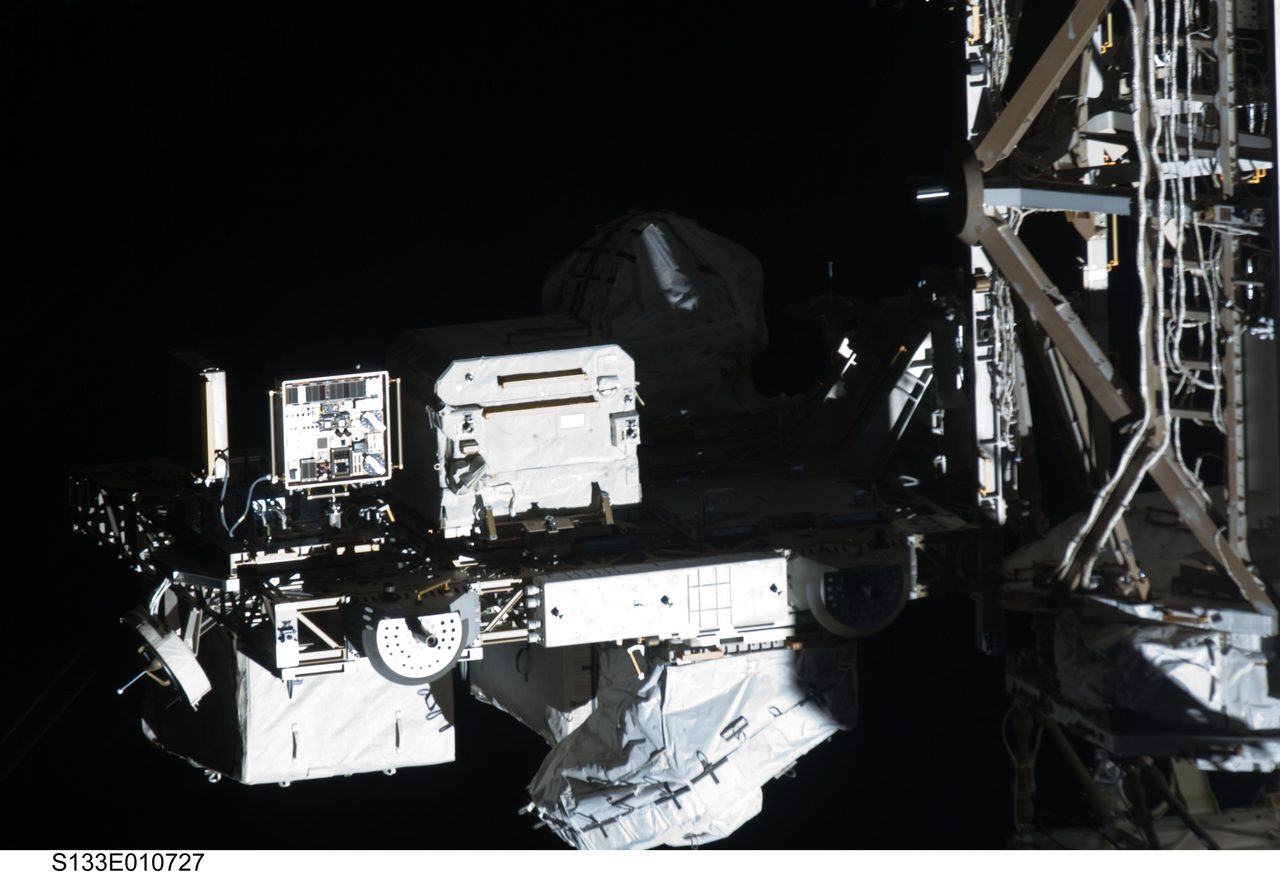
Moving Light in the Sky: How to Identify What You See
A steady moving light could be a satellite, but motion alone cannot identify it. Use its path, flashing, duration and a predicted pass to narrow down what you saw.
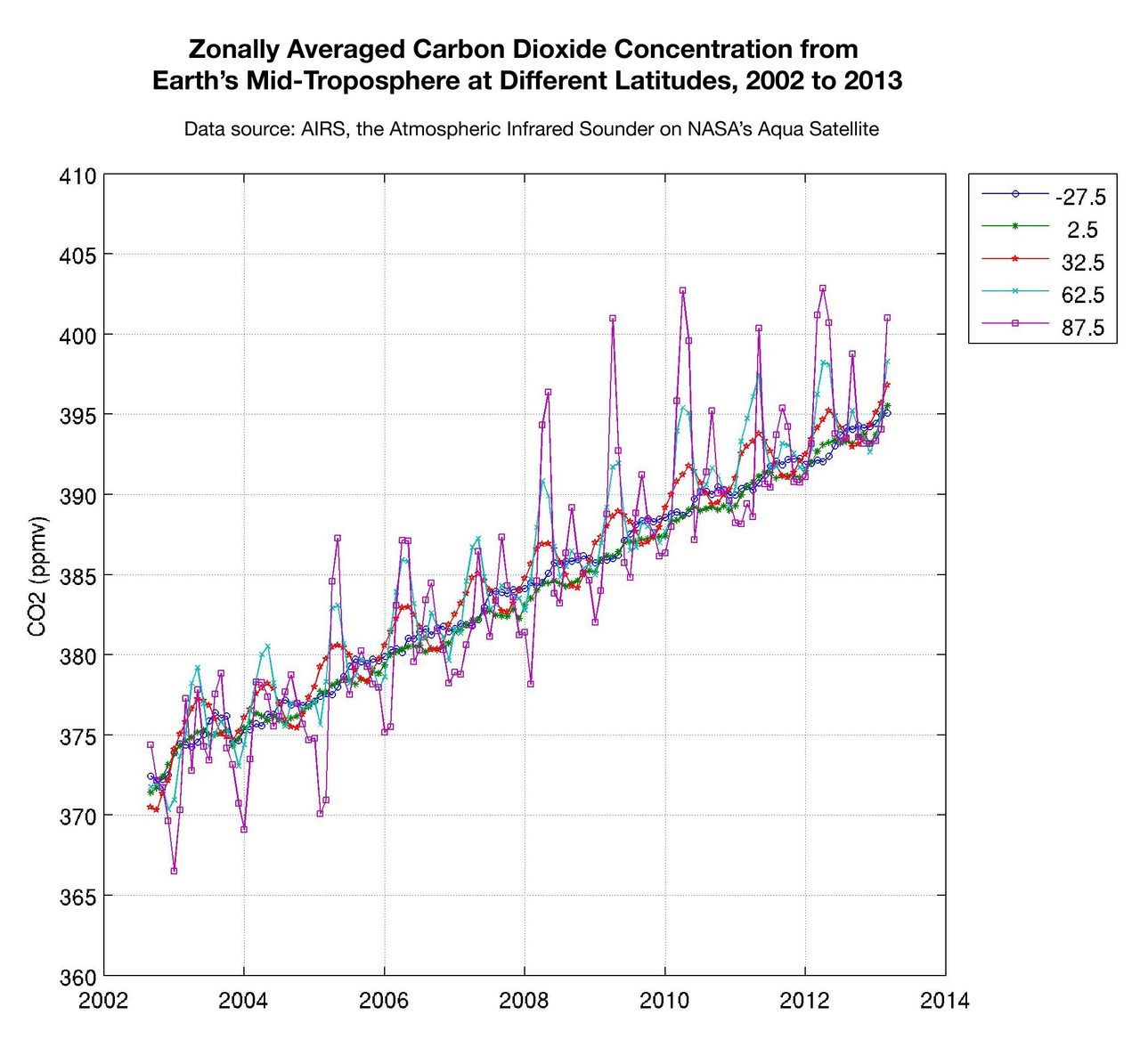
Aqua: tracking Earth's water cycle since 2002
NASA's Aqua satellite brought clouds, rainfall, ocean temperatures and atmospheric moisture into a single observing mission, building a record of how water moves through Earth's climate system.
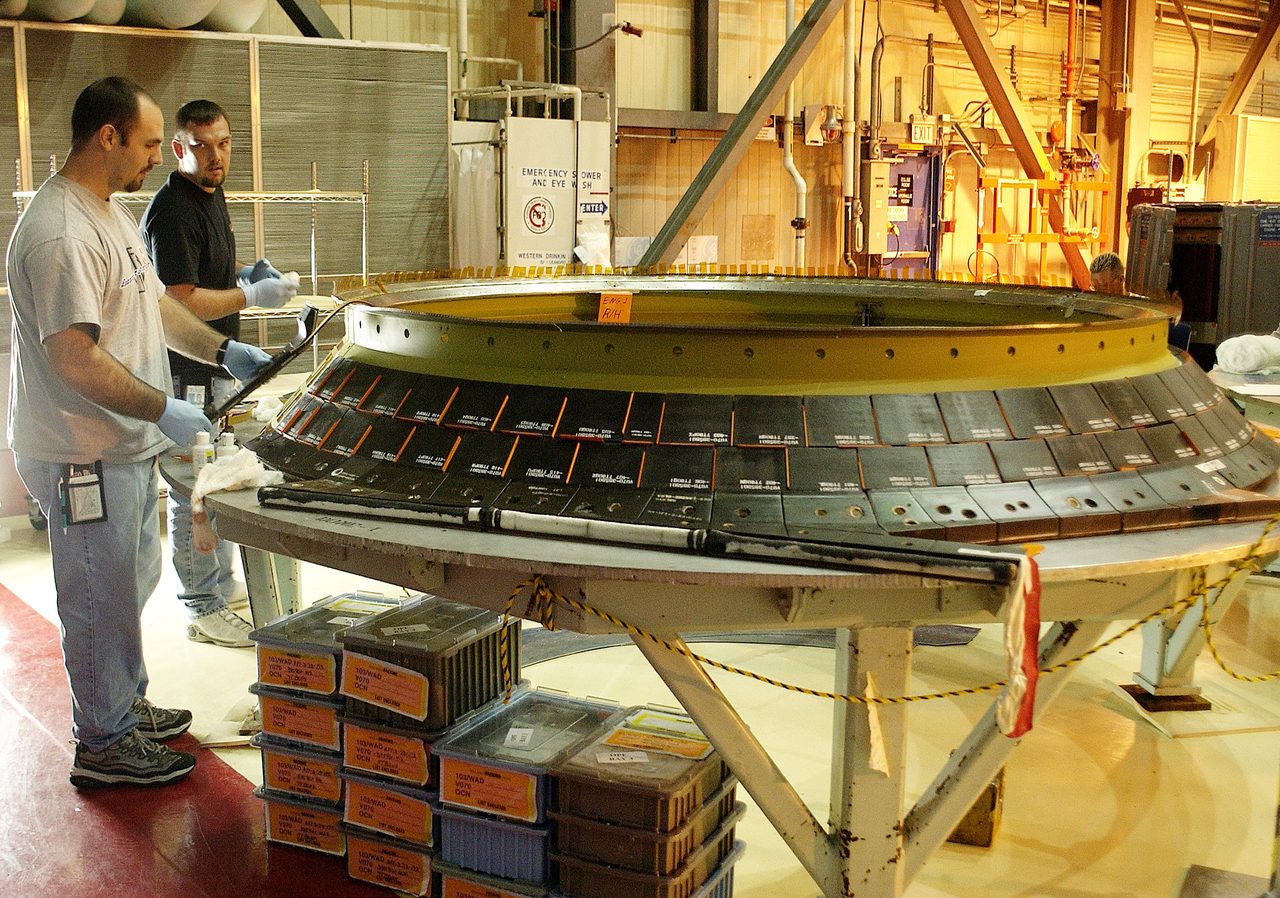
Fireball or Satellite Reentry? How to Tell What You Saw
A brief flash and a slow procession of glowing fragments suggest different origins. Learn which clues matter, which can mislead, and how to investigate your sighting.

Satellite Servicing in Orbit: Refuelling and Repair
Docking can keep a satellite working after its own fuel runs low. Explore how orbital servicing works, what refuelling requires and which manoeuvres observers can identify.
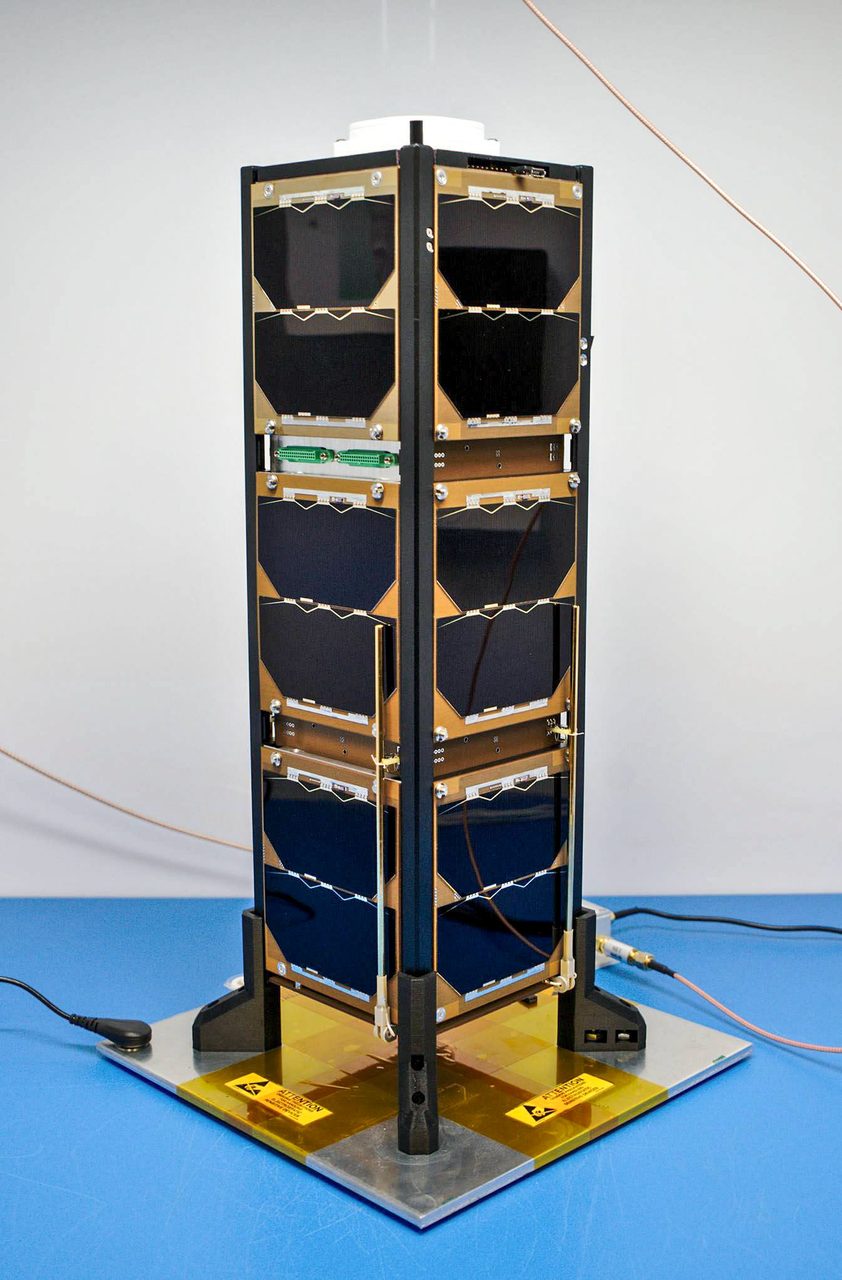
Understanding GDOP and PDOP in GNSS: A Detailed Guide
GDOP and PDOP are key metrics in GNSS, affecting positioning accuracy. Learn their roles and significance in satellite navigation.
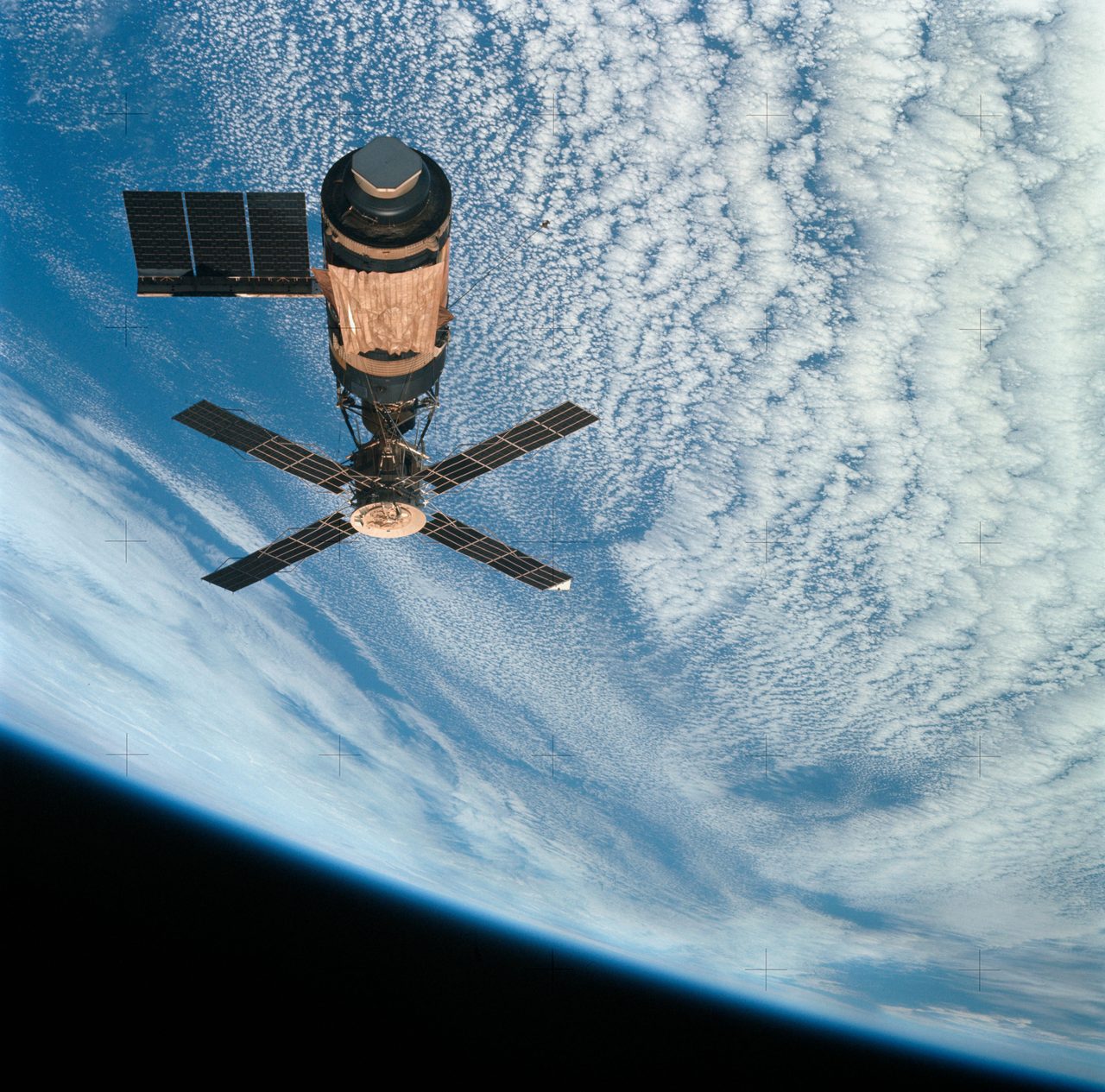
Space Tourism Cost: Prices, Providers and Who Can Go
Space tourism costs hundreds of thousands of dollars for suborbital trips and tens of millions for orbital stays. The price depends on the flight, provider and package.
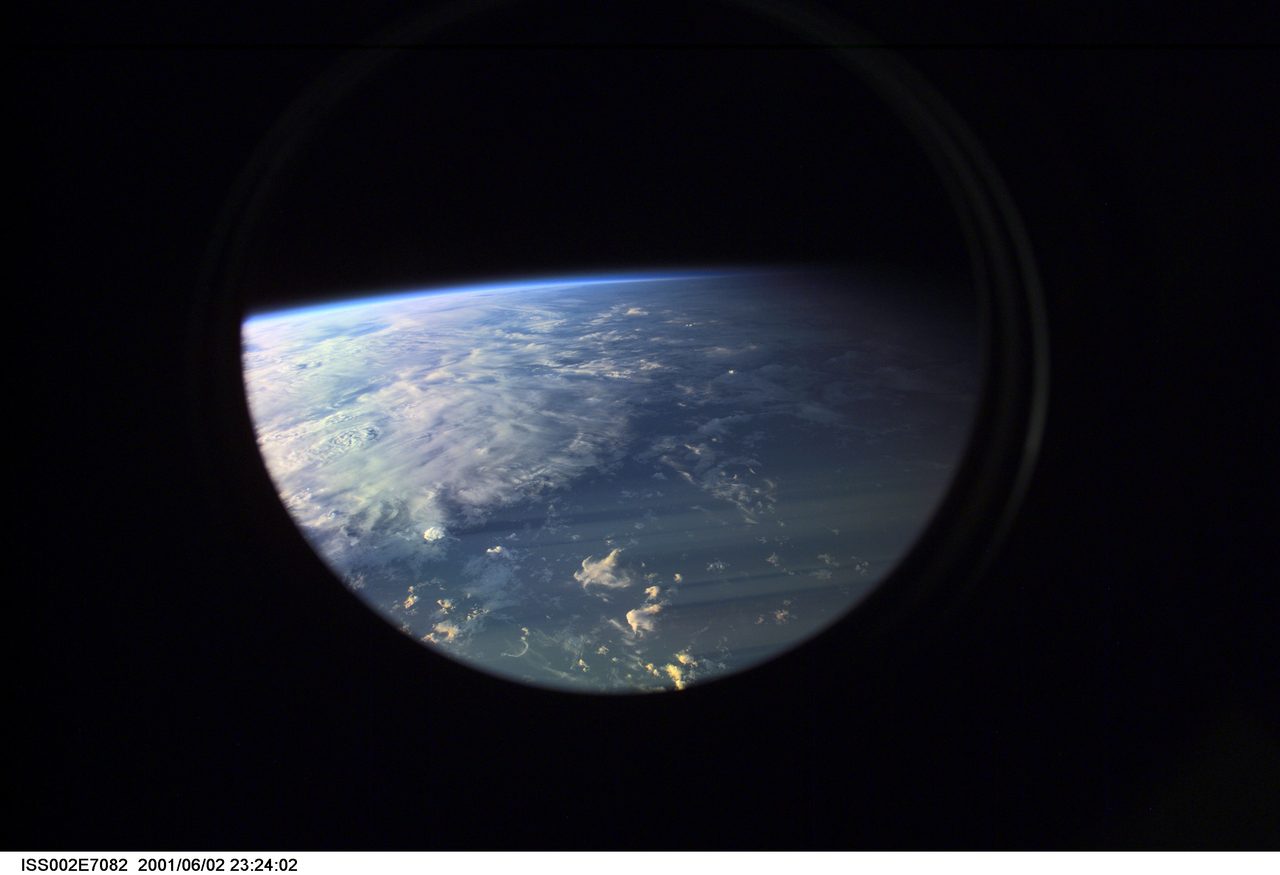
Why Can You Only See Satellites at Night? Twilight Explained
Satellites shine by reflected sunlight, not because night switches them on. The best views come when the ground is dark but the spacecraft overhead remains sunlit.

NASA vs ESA vs CNSA: How the Space Agencies Compare
NASA, ESA and CNSA represent different ways of organising space exploration. Their budgets, responsibilities and partnerships matter more than a simple ranking.
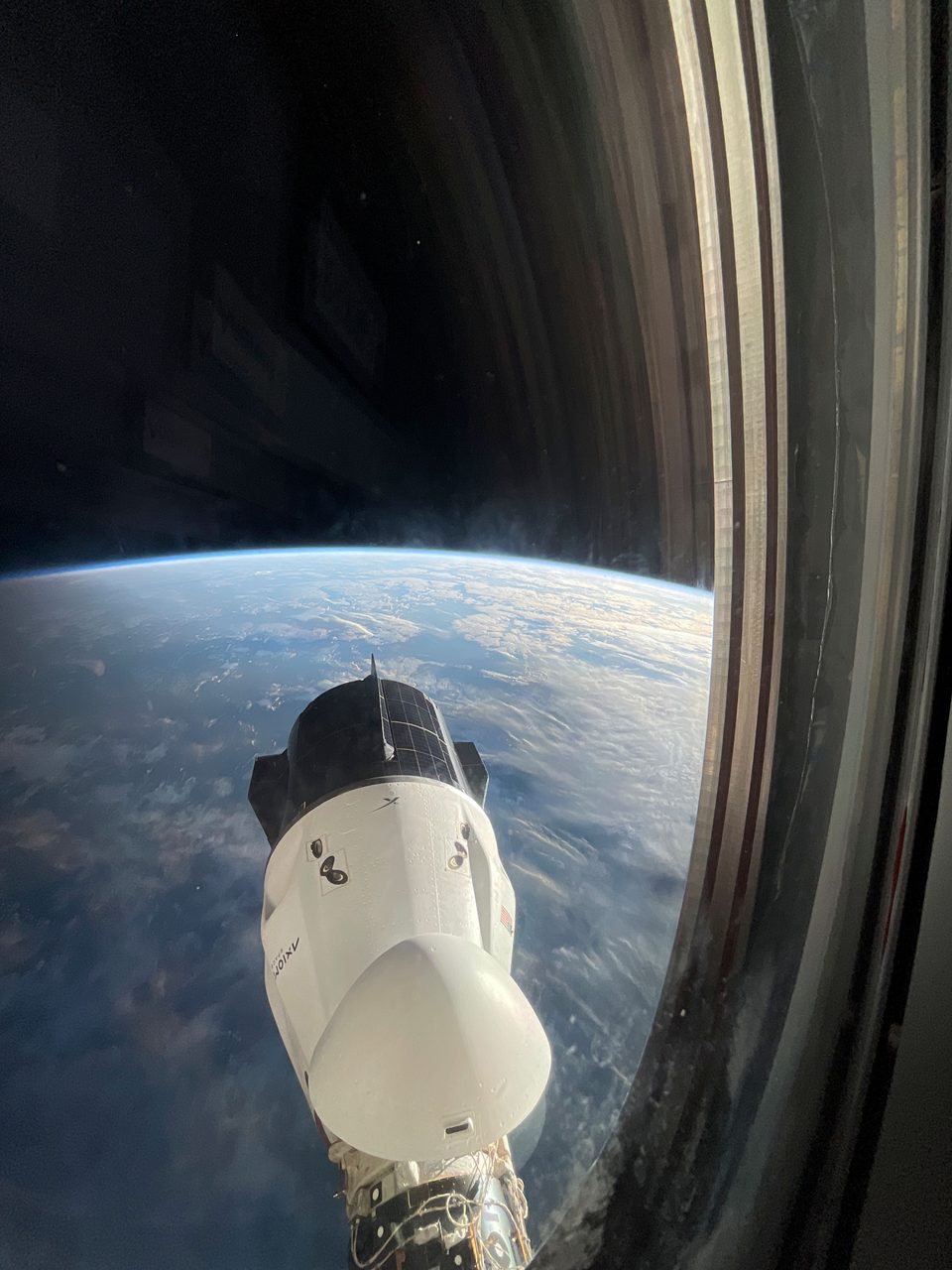
How Do Astronauts Get Back to Earth?
Astronauts return in spacecraft that slow down, survive atmospheric heating and land under parachutes. The journey ends with an ocean splashdown or a touchdown on land.
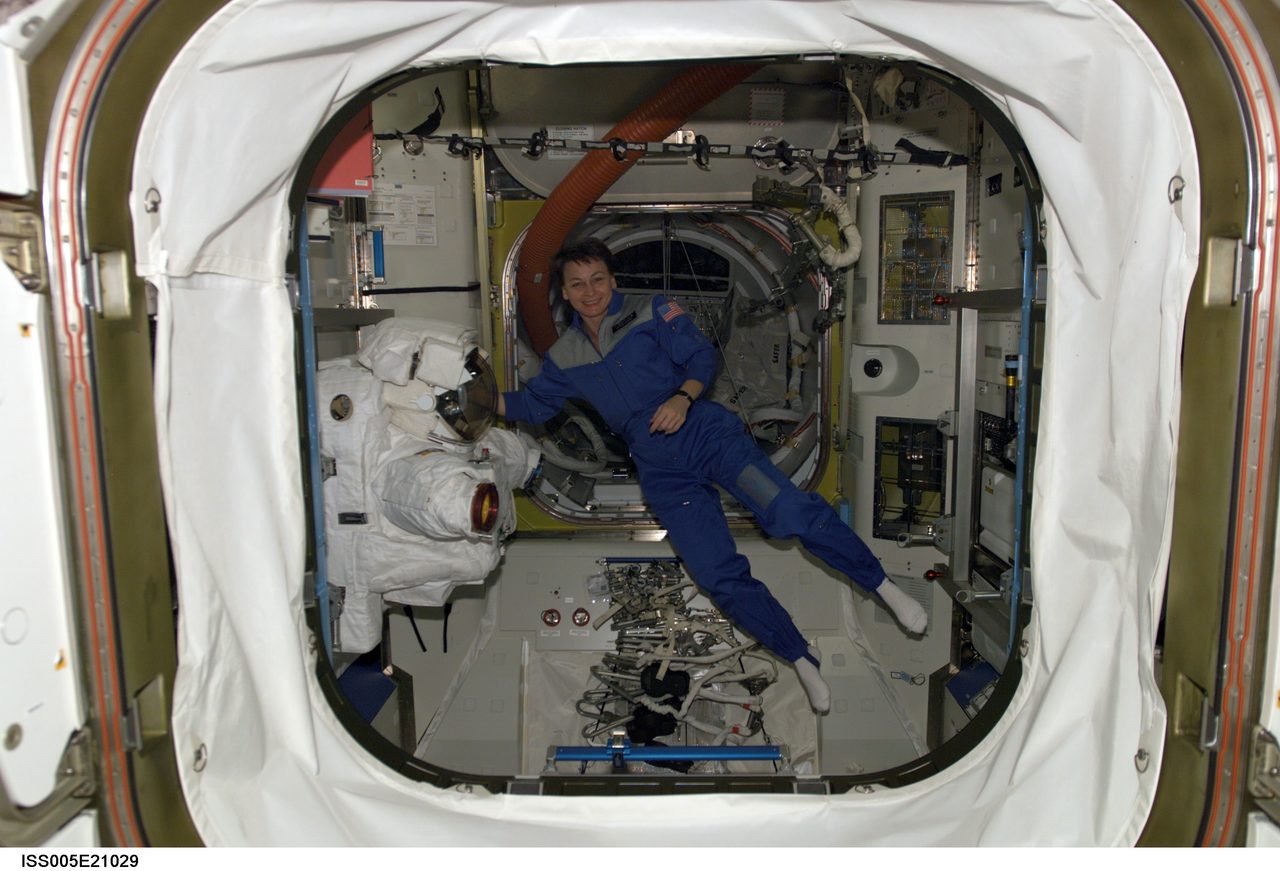
What Happens to Your Body in Space? The Human Effects
Spaceflight changes how bones, muscles, circulation and eyesight work. Explore the risks of long ISS stays, the countermeasures crews use and what recovery involves.
Satellite or Shooting Star? How to Tell the Difference
A satellite usually glides across the sky; a shooting star flashes past. Learn the visual clues, the exceptions and how to check a suspected satellite sighting.