Space News Mission Log — Satellite Launches, Orbital Events & Analysis
Daily space news, satellite launch reports, orbital debris analysis and weekly roundups — grounded in live tracking data from our network monitoring 20 published reports.
Unveiling Solar Secrets: The Sharpest Image of Our Sun
The Inouye Solar Telescope has captured the sharpest image of the Sun, revealing the elusive Kelvin-Helmholtz instability in stunning detail.
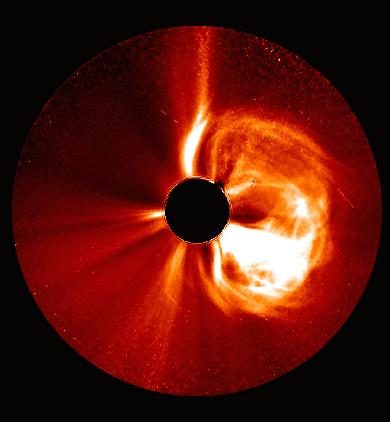
SOHO: the Sun-watching observatory at L1
Stationed around 1.5 million kilometres sunward of Earth, SOHO transformed observations of the solar interior, atmosphere and eruptions — and became an unexpected comet hunter.
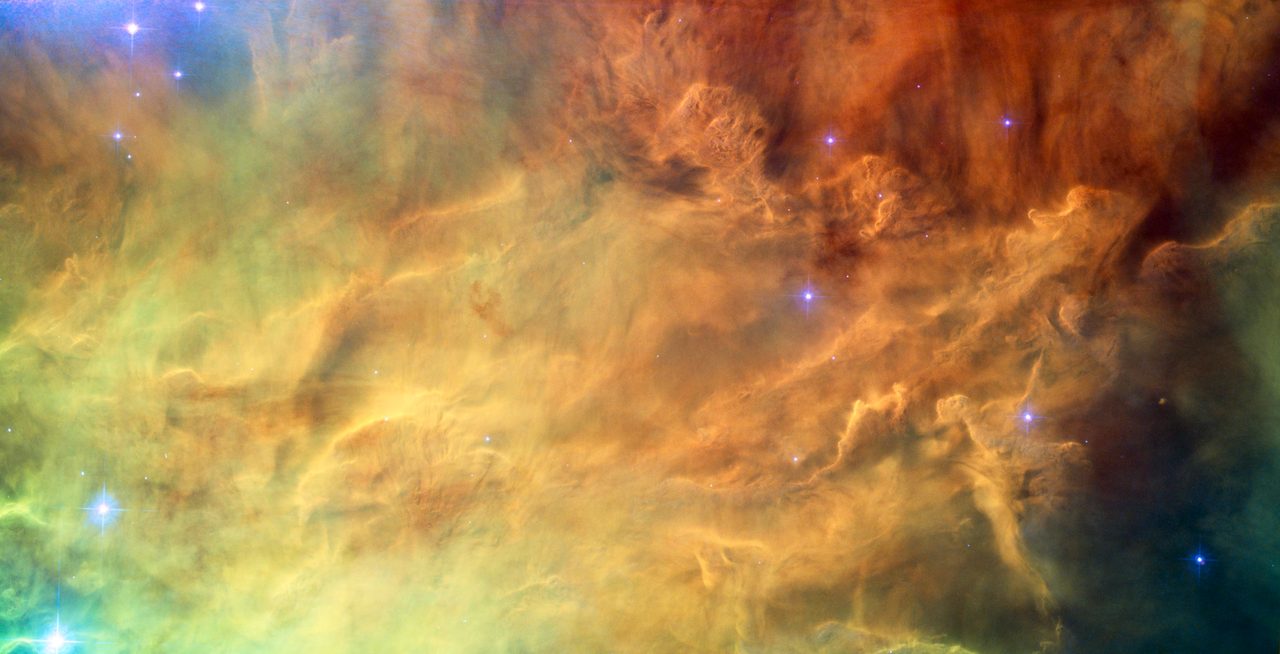
Diamonds in the Sky: The Fascinating Weather of Jupiter and Saturn
Discover the intriguing possibility of diamond rain on Jupiter and Saturn, where high pressures may crystallize carbon into diamonds.
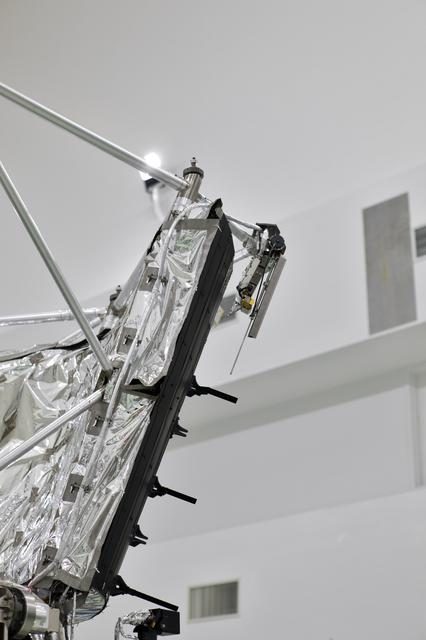
Parker Solar Probe: 6.1 Million Kilometres from the Sun
NASA’s Parker Solar Probe flies through the Sun’s outer atmosphere, using a carbon-composite shield and a carefully shaped orbit to investigate coronal heating and the solar wind.
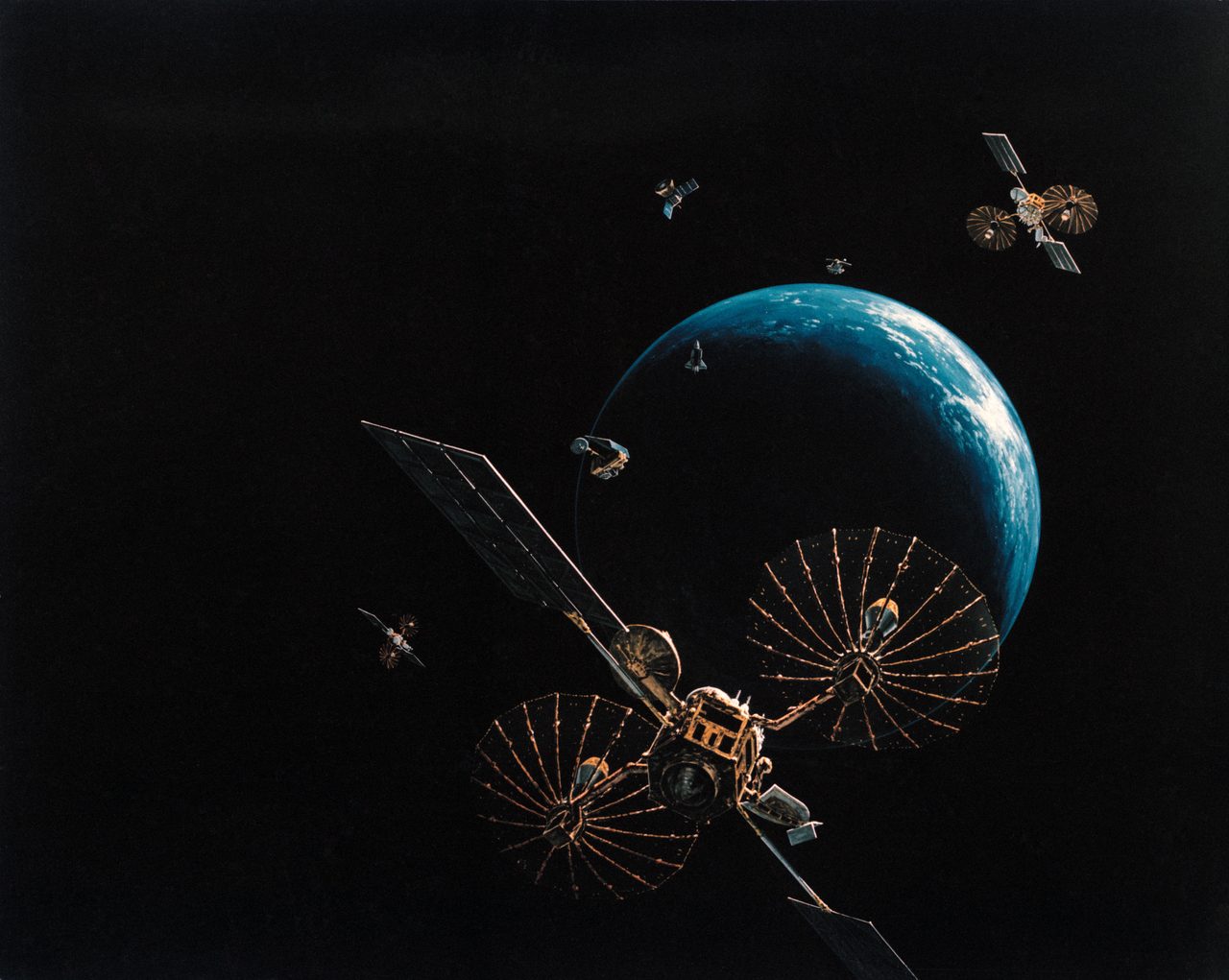
Military Satellites: What They Do and How They Work
Military satellites support communications, navigation, intelligence and missile warning. Explore how they work, what they can detect and what public tracking reveals.

Saturn: The Floating Giant of Our Solar System
Discover why Saturn, the ringed giant, could float in water and learn about its significance in our solar system.

The Science Behind Supernumerary Rainbows
Discover the science of supernumerary rainbows, a rare atmospheric phenomenon that reveals the wave nature of light.
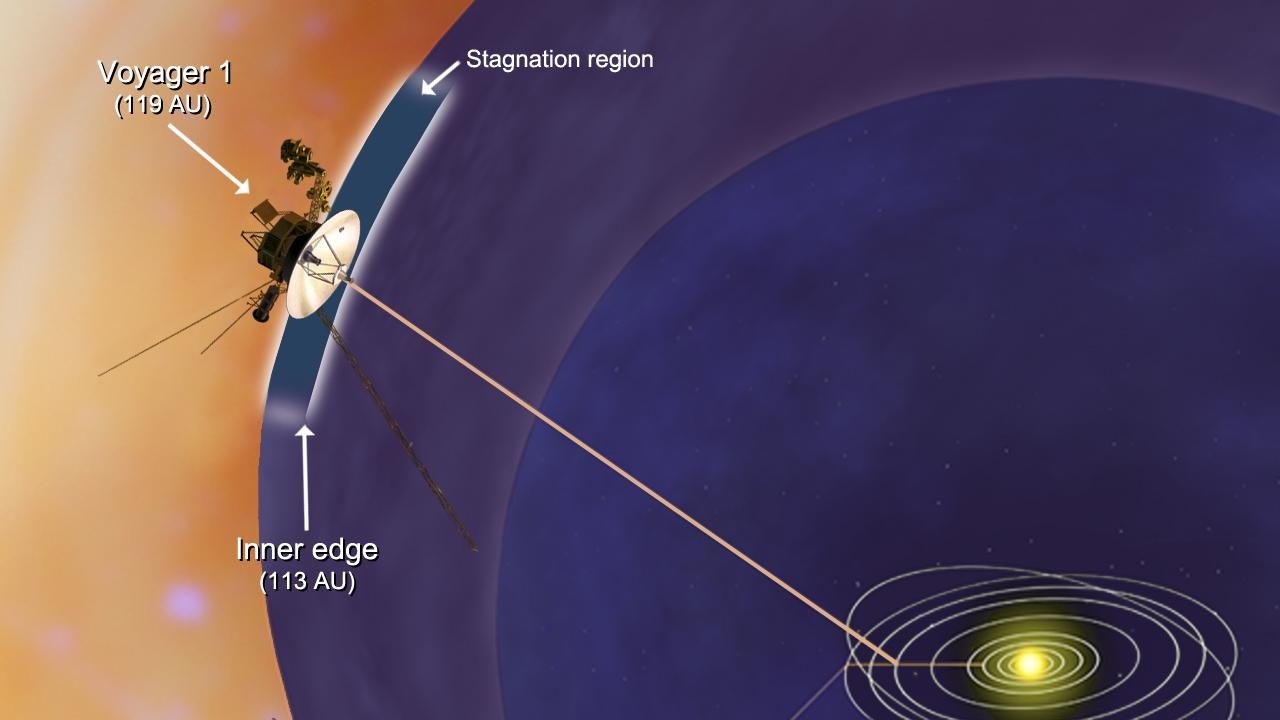
Voyager 1: humanity’s most distant spacecraft
Launched in 1977, Voyager 1 explored Jupiter and Saturn before becoming the first spacecraft to enter interstellar space. Its outward journey continues, although declining electrical power limits its scientific future.
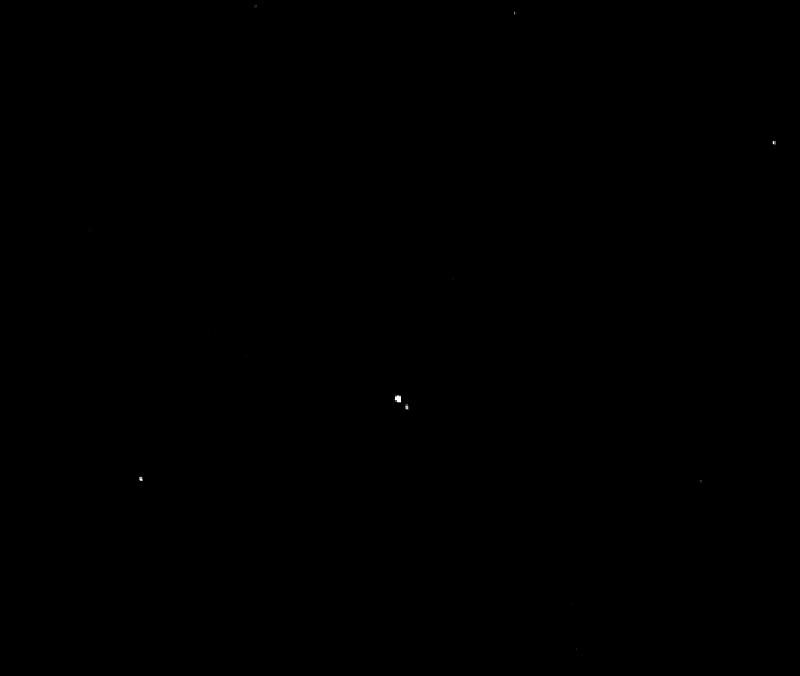
New Horizons: the probe that revealed Pluto
NASA’s New Horizons transformed Pluto from a distant point of light into a world of nitrogen glaciers and water-ice mountains. The spacecraft is now travelling outwards on an escape trajectory from the Solar System.
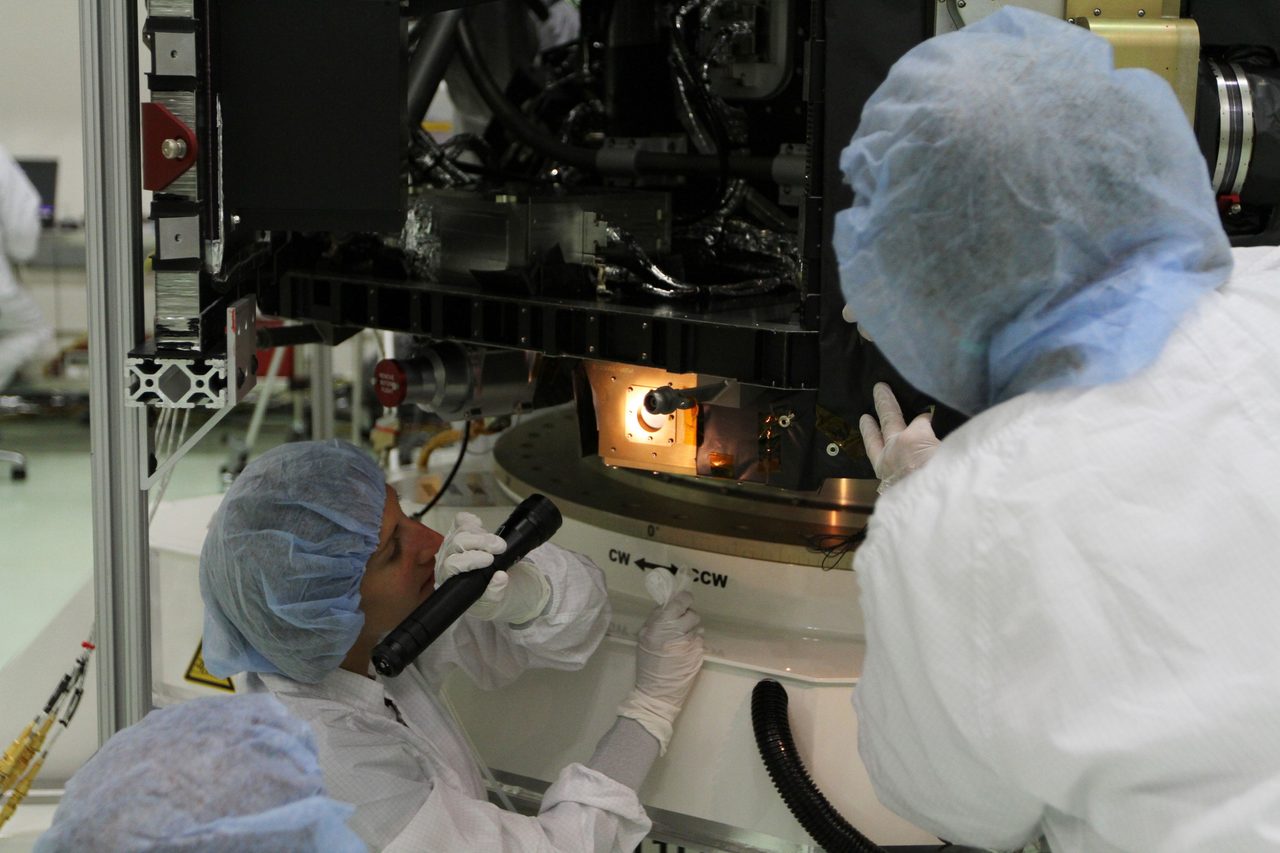
South Atlantic Anomaly: Why Satellites Glitch
A weak patch in Earth's magnetic shield brings trapped radiation into the paths of low-orbiting spacecraft. Here is why satellites glitch and how operators protect them.
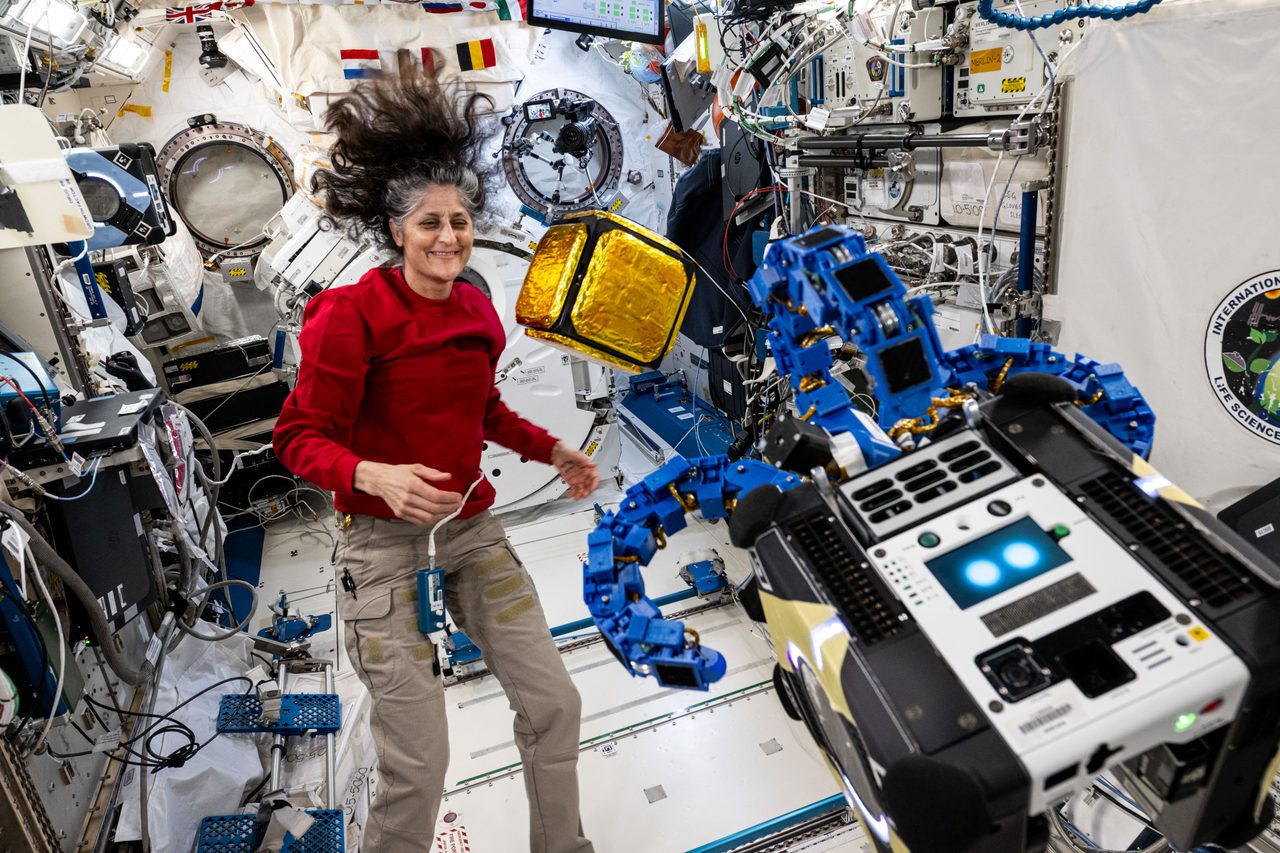
What Happens If Two Satellites Collide?
A satellite collision can leave fragments circling Earth long after the spacecraft are destroyed. Their altitude helps determine how long the danger lasts.
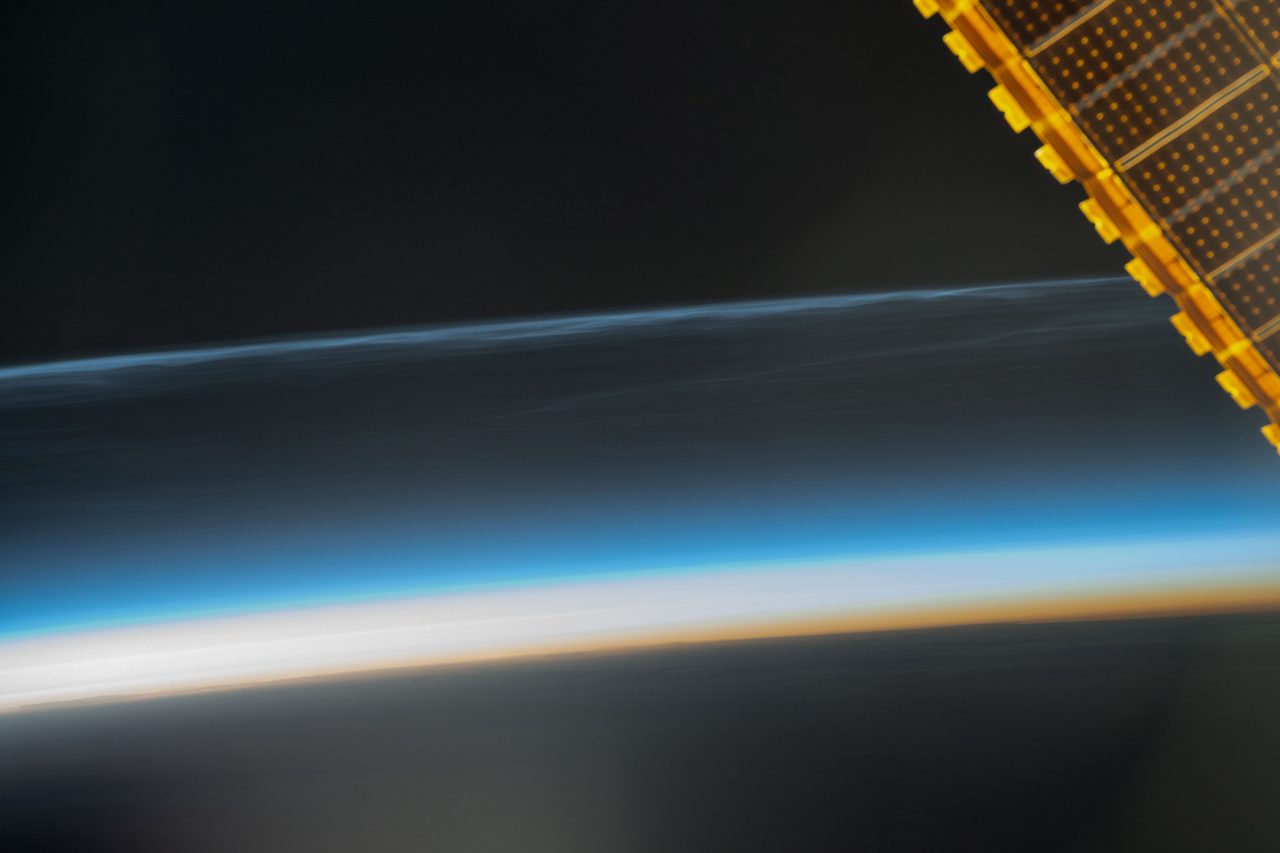
Low Earth Orbit: Why Space Is Busiest Below 2,000 km
Low Earth orbit hosts space stations, broadband constellations and Earth-observation missions. Explore how it works, why it is crowded and what keeps satellites flying safely.