Space News Mission Log — Satellite Launches, Orbital Events & Analysis
Daily space news, satellite launch reports, orbital debris analysis and weekly roundups — grounded in live tracking data from our network monitoring 16 published reports.
How Solar Storms Threaten Satellites and Power Grids
Solar storms can disrupt satellites and power grids by inducing geomagnetic currents and radiation, posing risks to technology and infrastructure.
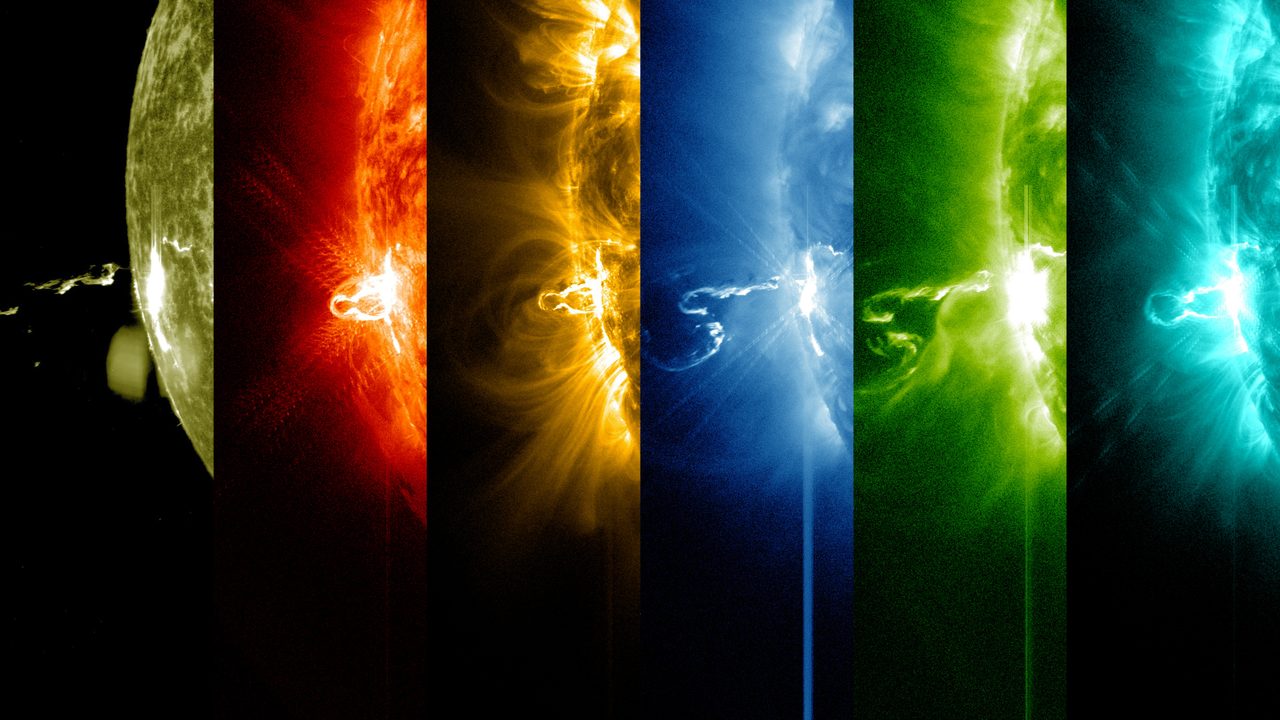
Space Weather Effects: Understanding Solar Storms and Their Impact
Space weather refers to the environmental conditions in space as influenced by the Sun, impacting satellites, communication systems, and Earth's magnetic field.

How Solar Cycles Affect Satellite Operations
Solar cycles influence satellite operations by affecting space weather, which can disrupt communications and increase orbital decay.
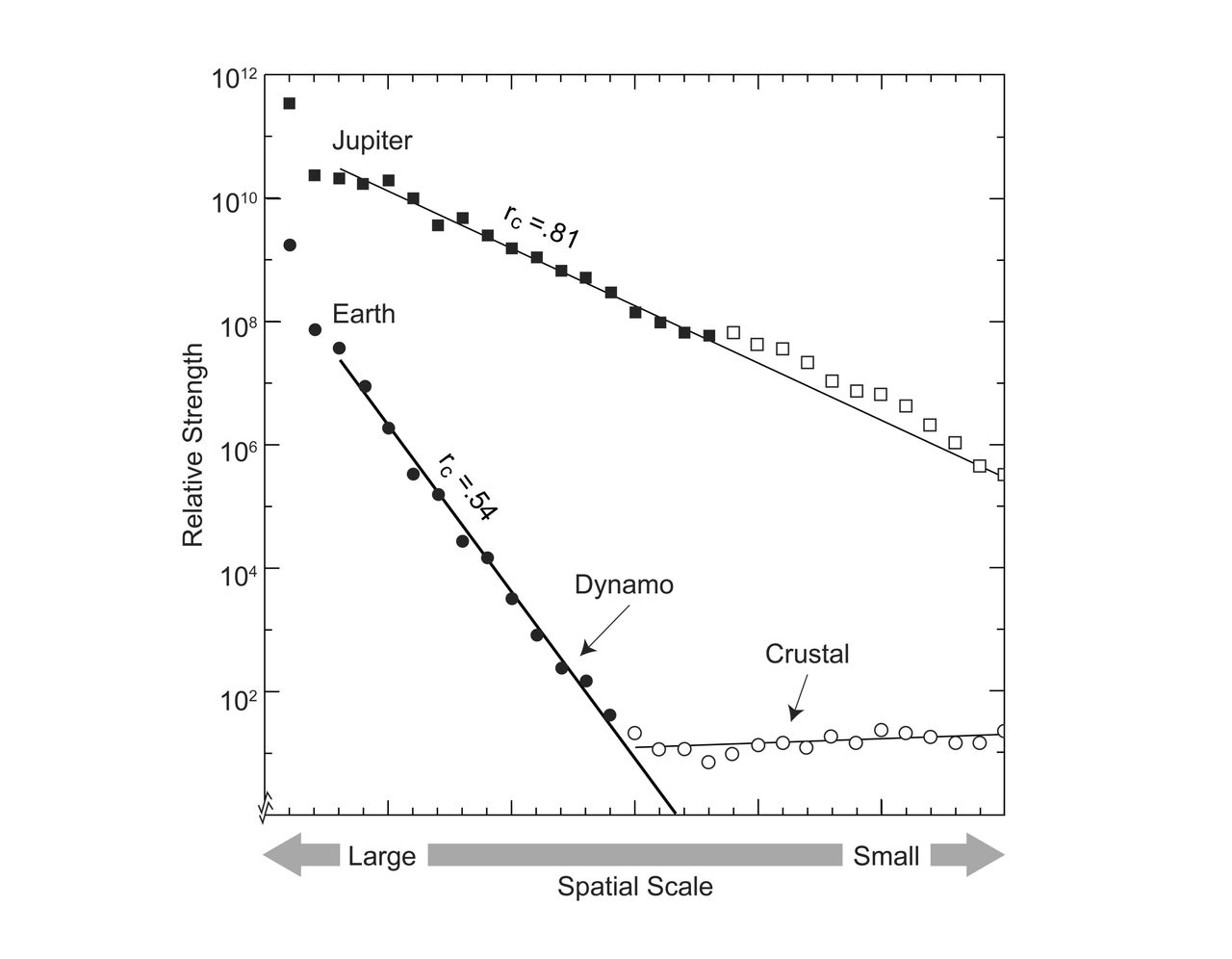
Understanding the Kp Index: Measuring Geomagnetic Storms
The Kp Index measures geomagnetic storm intensity on a scale from 0 to 9, crucial for understanding space weather impacts.
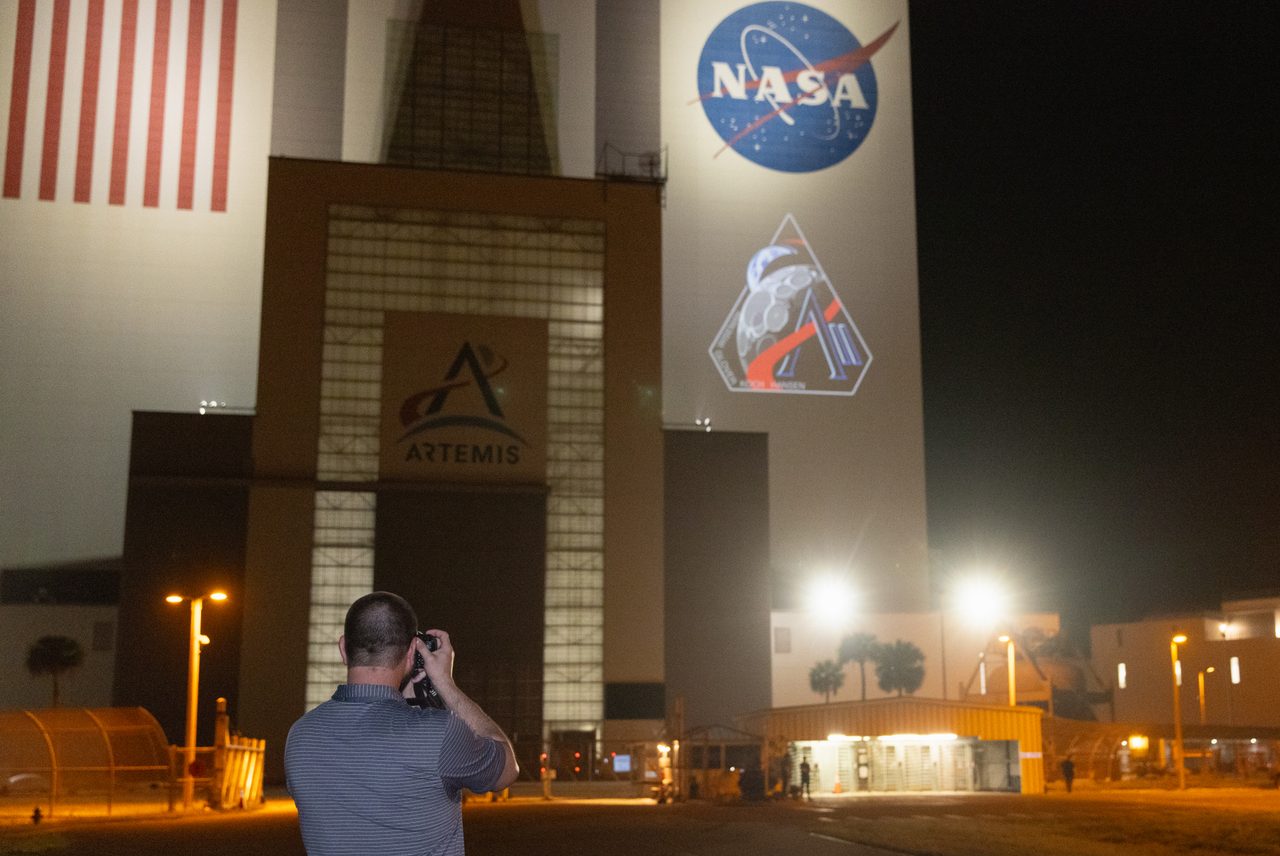
This Week in Orbit: 2026-07-12
The past week in orbit has been marked by significant developments in space technology and scientific discovery. NASA's Artemis II mission has set a new streaming record, amassing 149 million views as interest in lunar exploration surges.
Understanding Satellite Radio Propagation with Orbital Radar's Heatmap
Discover how Orbital Radar's Propagation Heatmap tool helps optimise satellite communication by analysing radio propagation conditions.
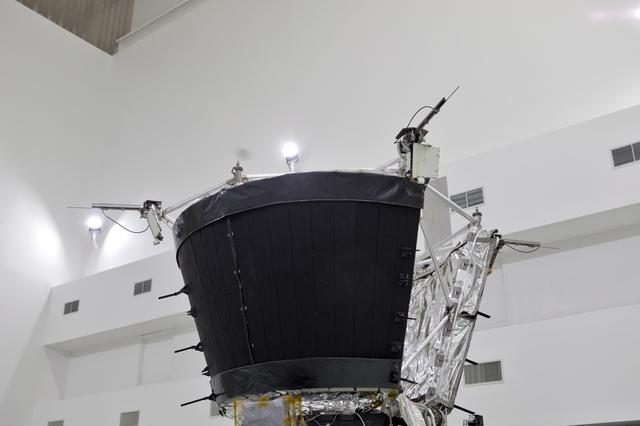
Parker Solar Probe: Touching the Sun
The Parker Solar Probe is a NASA spacecraft designed to study the outer corona of the Sun. Launched on 12 August 2018, it is the first mission to fly into the Sun's atmosphere, aiming to unravel longstanding mysteries about the solar corona and solar wind.
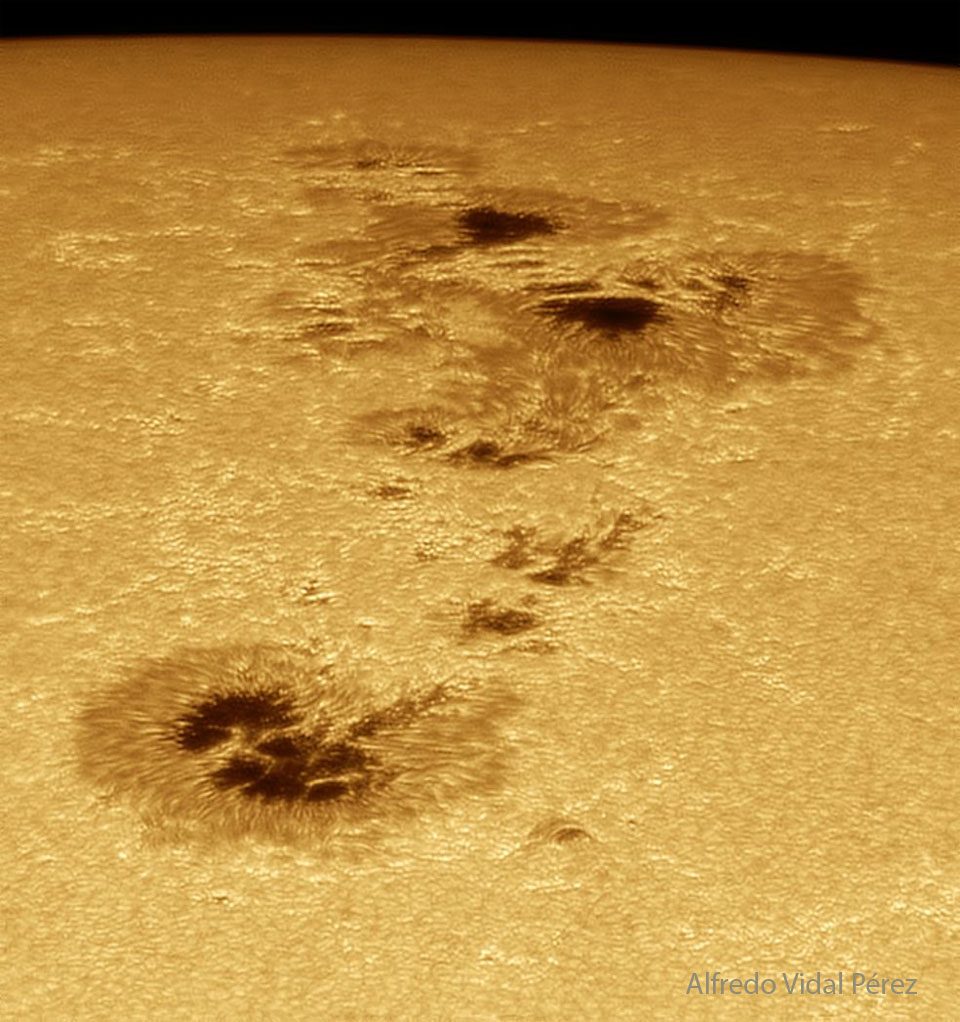
Sunspot Spectacle: AR 4478 Illuminates the Solar Surface
Discover AR 4478, a colossal sunspot group, its effects on Earth, and the science of solar activity.
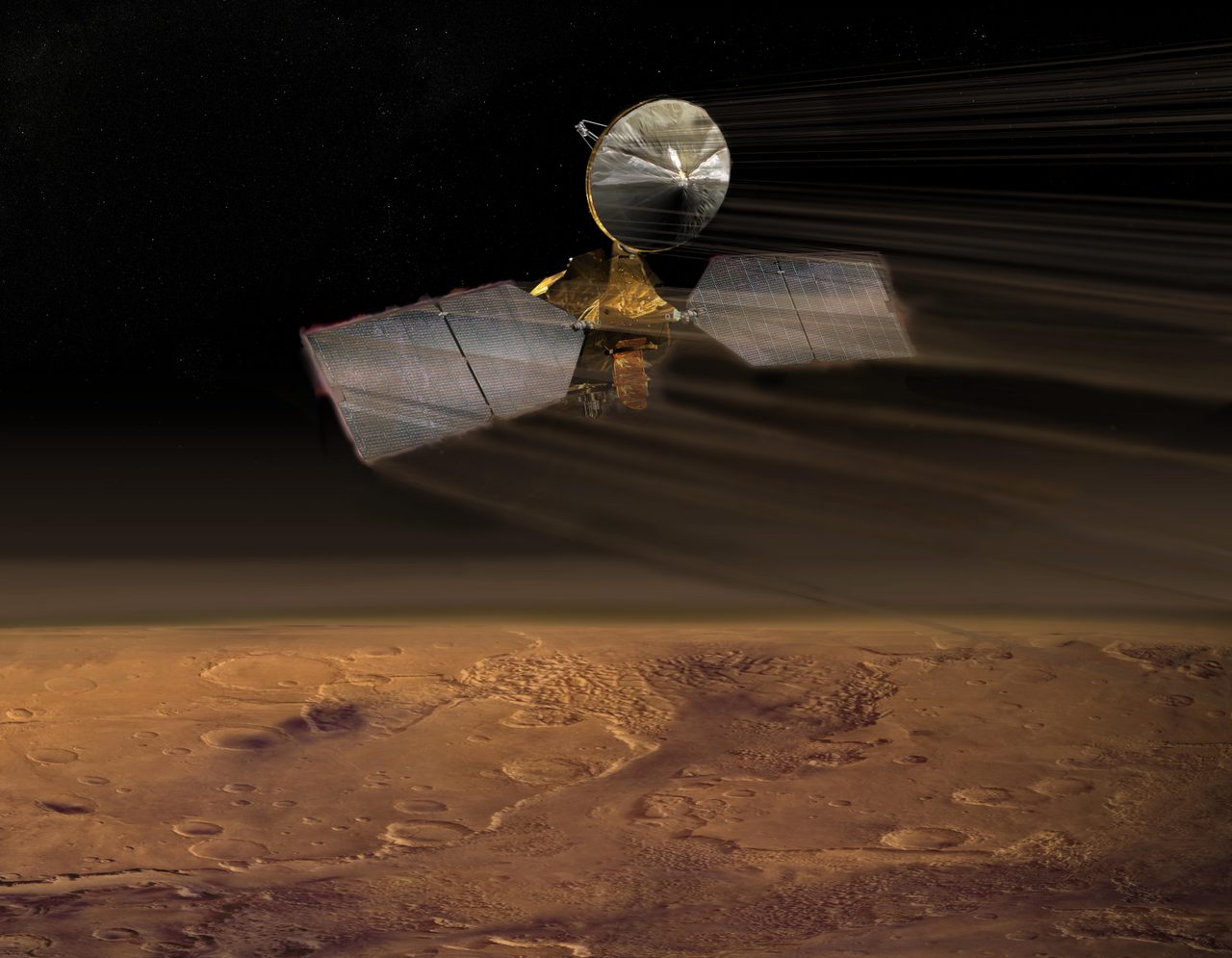
Mars Orbiters: Tracking the Red Planet's Satellites
Mars orbiters are satellites that study Mars from orbit, providing data on its atmosphere, surface, and climate. Learn how they work and their significance.
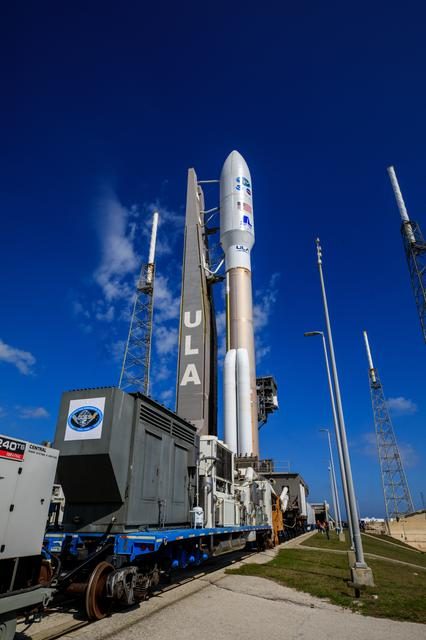
GOES-18: Geostationary Weather Sentinel
GOES-18, also known as GOES-T prior to its successful launch, is a geostationary weather satellite operated by the National Oceanic and Atmospheric Administration (NOAA). It is part of the Geostationary Operational Environmental Satellites (GOES) programme, which provides real-time weather data and
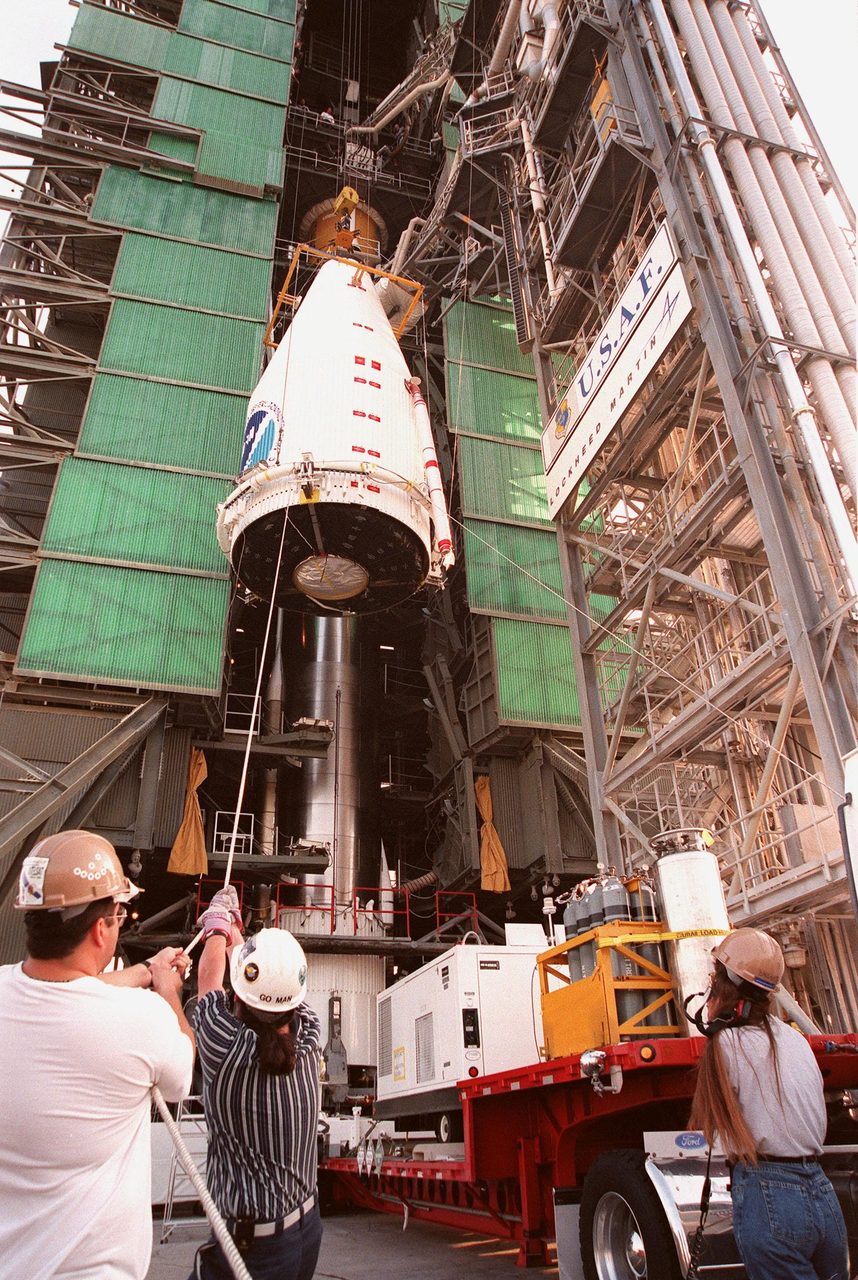
GOES Weather Satellites: Comprehensive Guide and Analysis
GOES weather satellites provide critical data for weather forecasting and monitoring. Discover their functions, history, and impact.
This Week in Orbit: 2026-07-26
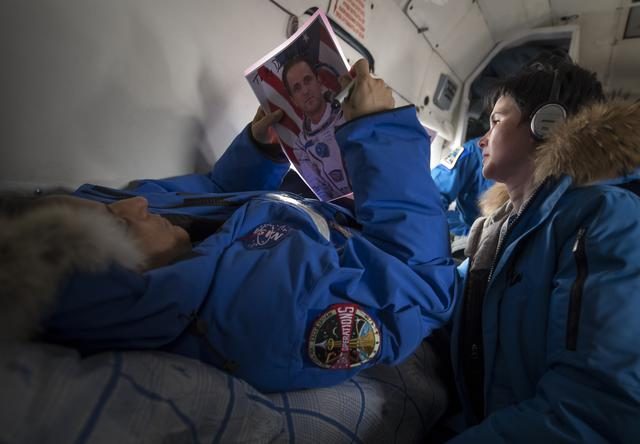
This week saw the safe return of the Soyuz MS-28 spacecraft, marking the end of an eight-month mission aboard the International Space Station (ISS). NASA astronaut Chris Williams and his crewmates were among those returning, highlighting the ongoing collaboration between international space agencies